Brackenridge Park has long been one of San Antonio’s most beloved public spaces — and one of the most culturally and archaeologically significant landscapes in the United States, weaving together Indigenous heritage, Spanish colonial engineering, industrial development, philanthropy and major public works projects.
Archaeological evidence shows that humans have lived in what is now Brackenridge Park for at least 12,000 years, drawn to the San Antonio River’s natural springs and abundant wildlife. When Spanish settlers arrived in the early 1700s, they constructed an intricate acequia system, portions of which still run through the park today. By the 19th century, the land had become a hub of industrial activity, including mills and quarries that helped shape early San Antonio.
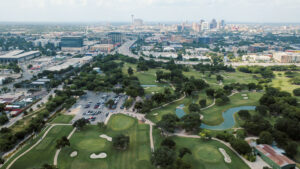
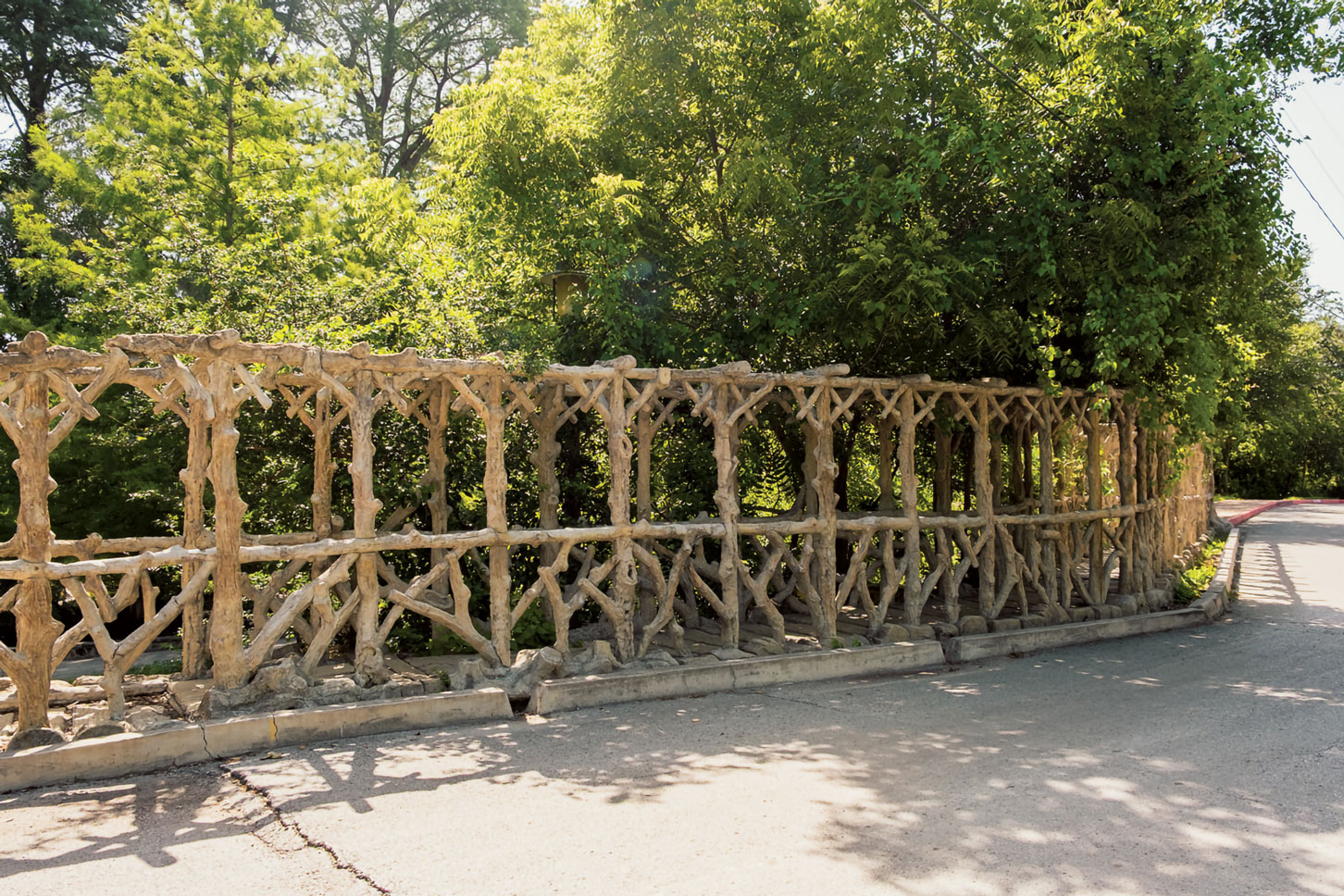
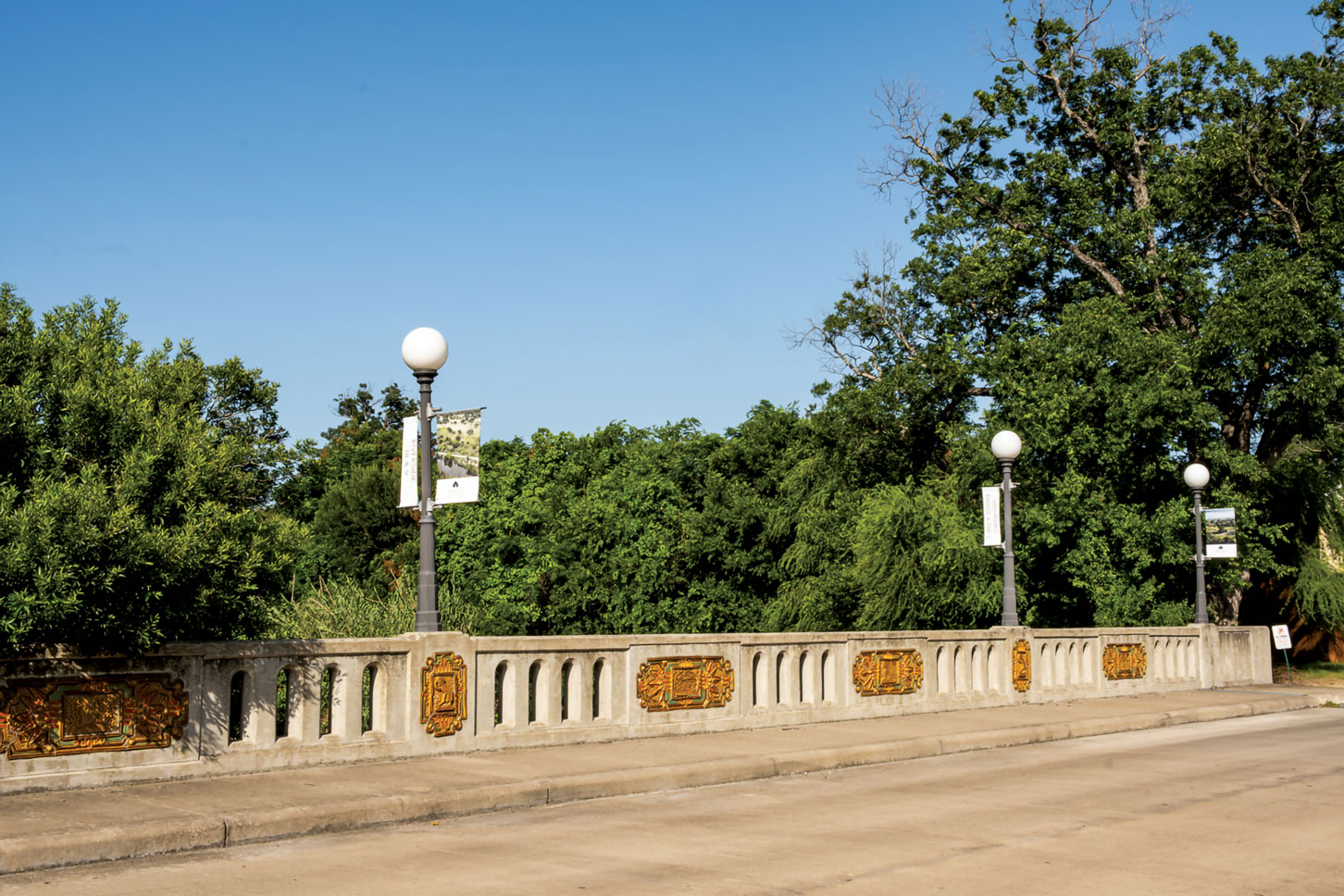
The modern park began in 1899, when philanthropist George Washington Brackenridge donated 199 acres to the city. His gift doubled San Antonio’s parkland and laid the foundation for what would become a cultural centerpiece. Over the next several decades, the park expanded to include the San Antonio Zoo, the Japanese Tea Garden, the Sunken Garden Theater and the historic Brackenridge Golf Course. WPA-era stonework, rustic bridges and faux bois sculptures added architectural character that remains iconic today. In 2011, Brackenridge Park was added to the National Register of Historic Places, and ongoing preservation efforts continue to protect its archaeological sites, historic structures and natural habitats. Monthly guided tours give visitors a richer, more engaging way to explore the park’s history and connect with its stories.
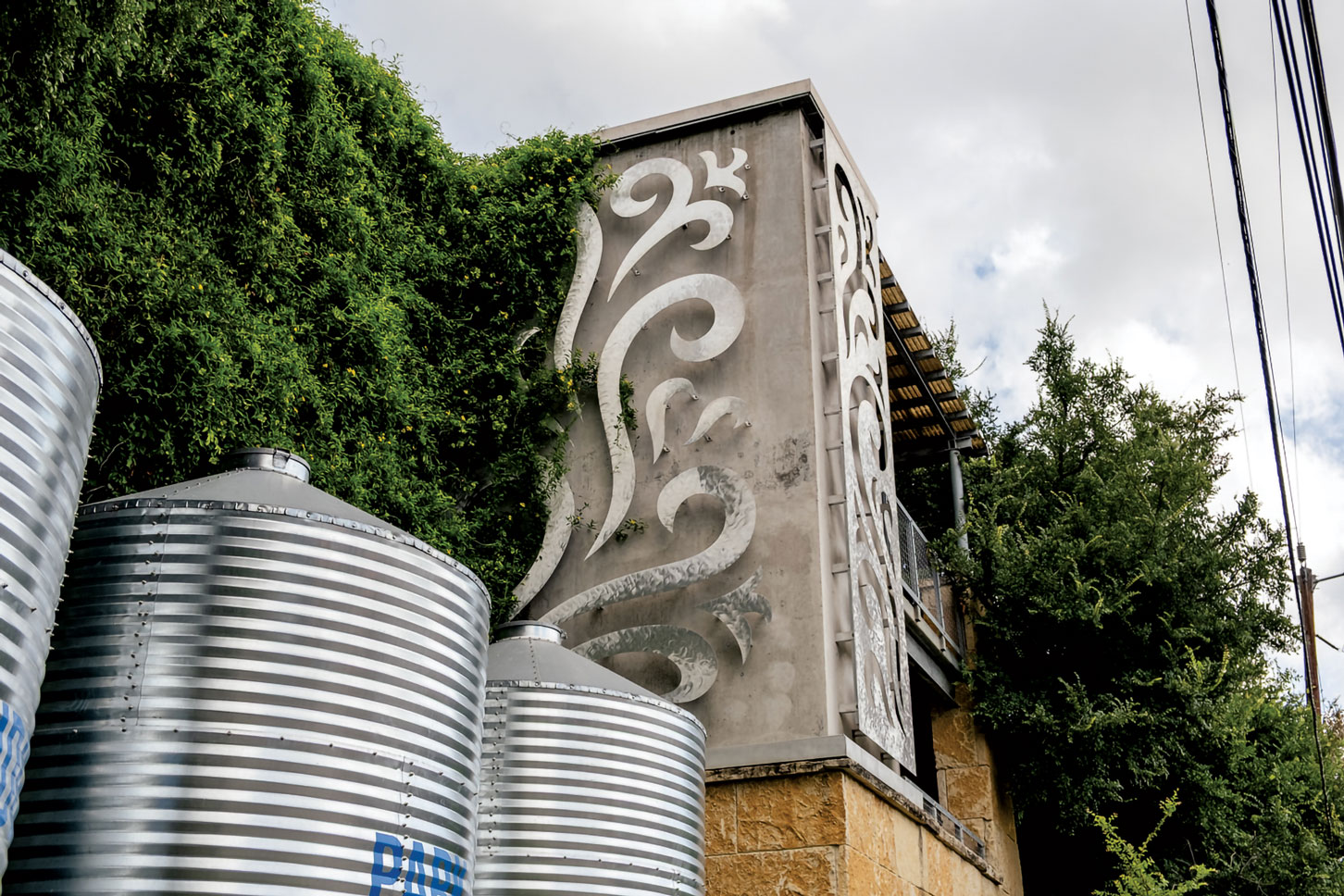
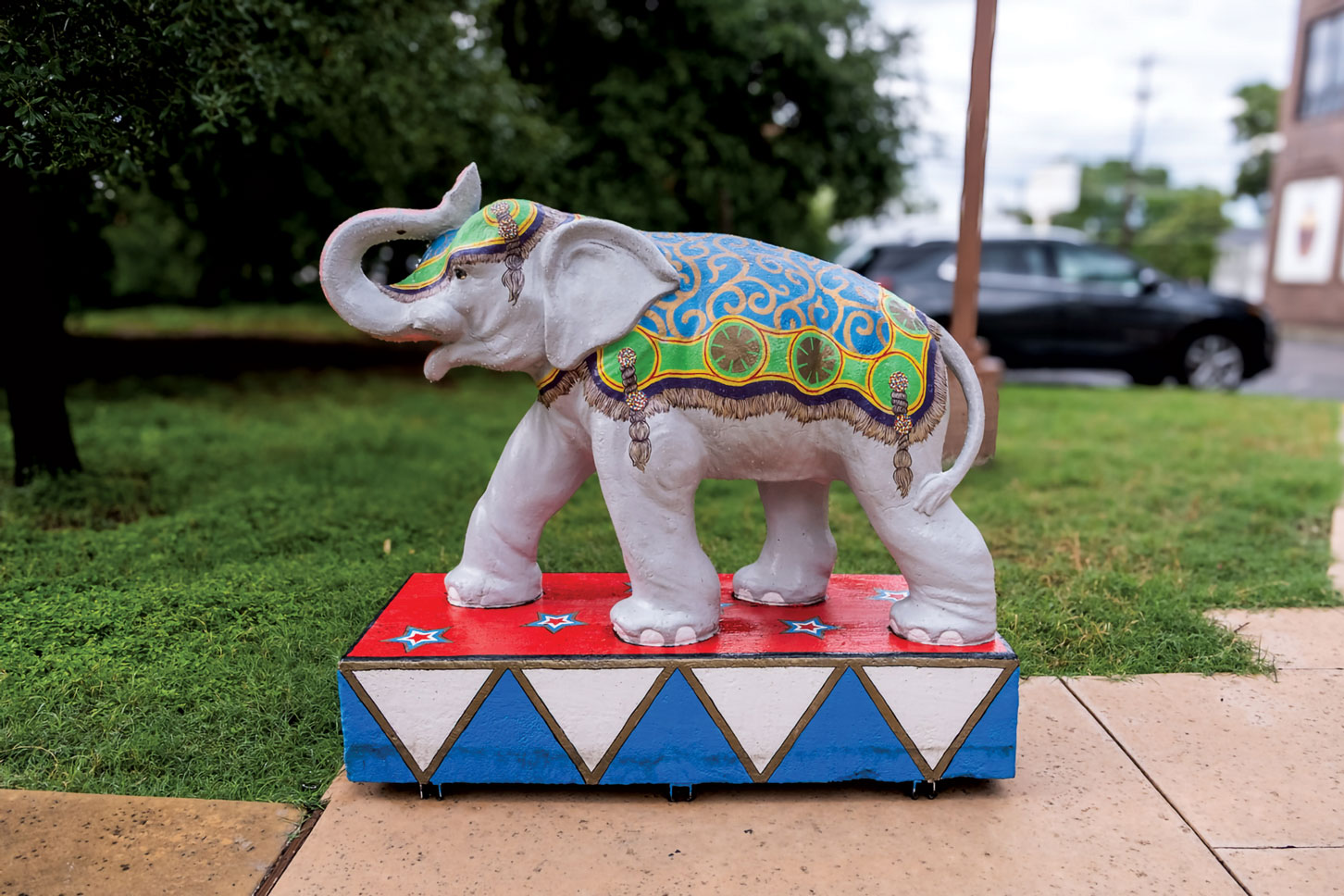
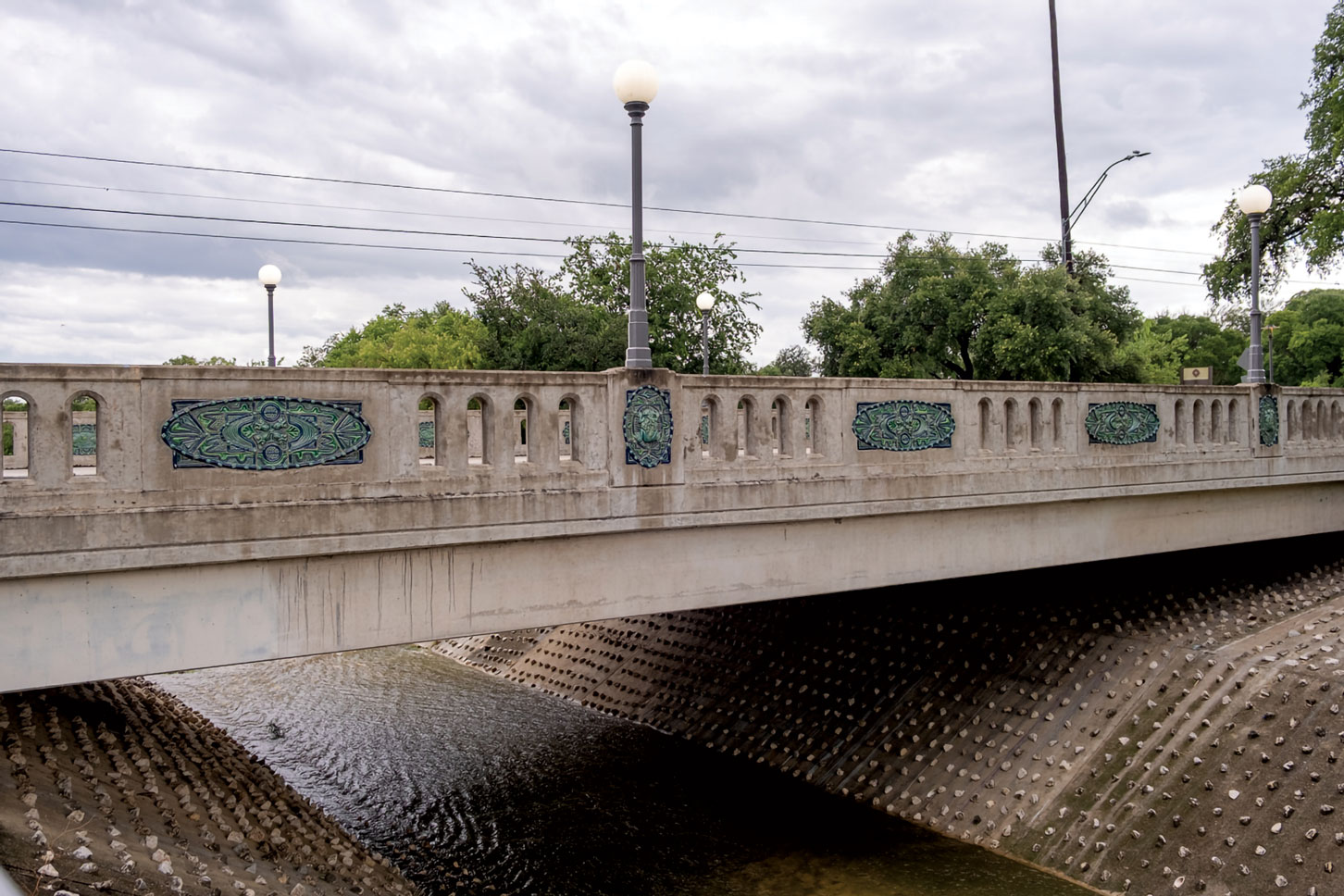
In recent years, the Brackenridge Park Conservancy has added a new dimension to the park experience: a curated Art Walk featuring 19 installations, situated along ADA accessible paths, that blend sculpture, architecture and historical interpretation. These pieces, scattered across trails and quiet corners, invite visitors to slow down, look closely, and rediscover the park’s layered story.
According to Lynn Osborne Bobbitt, Director of Development and Outreach for the Conservancy, the Art Walk was created to help visitors navigate and appreciate the park’s hidden artistic and historical gems, many of which had gone unnoticed for decades. A guided art map and virtual tour, found on the Conservancy’s website, were introduced to make these treasures more accessible and to highlight the park’s cultural significance. Some installations date back more than a century, while others were added as part of a renewed effort to integrate public art into the natural landscape — many commissioned by the City of San Antonio Arts and Culture and Parks and Recreation departments.
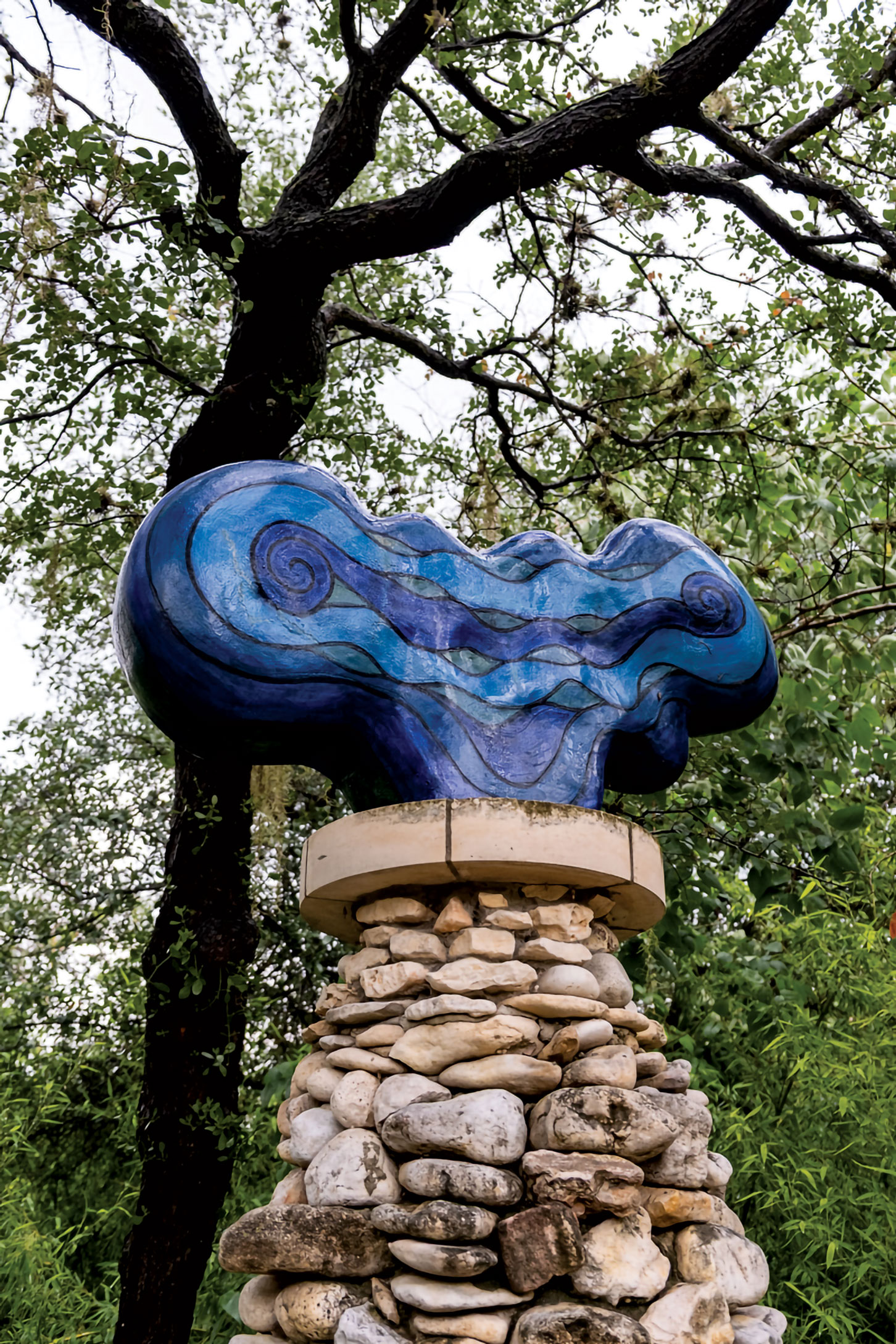
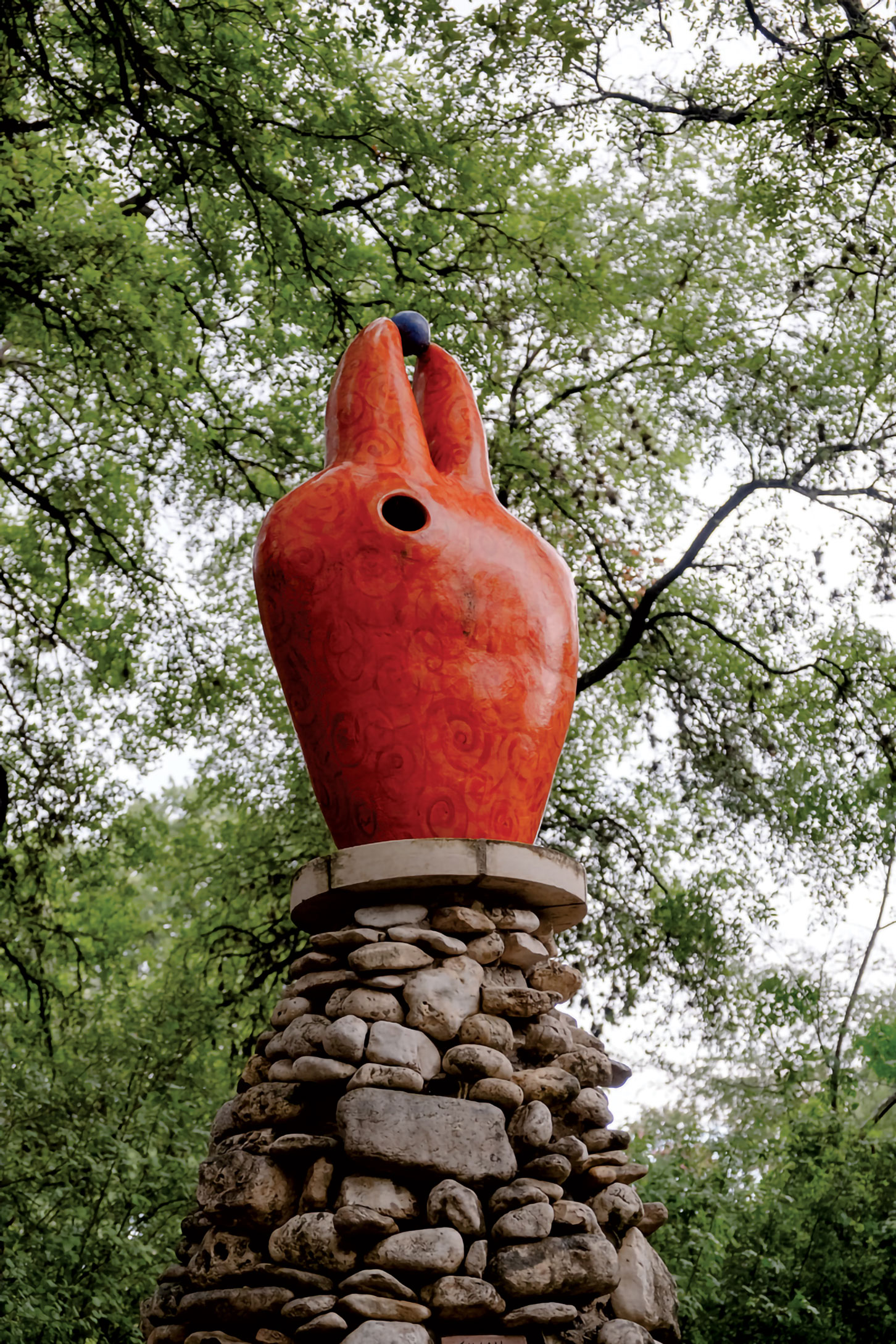
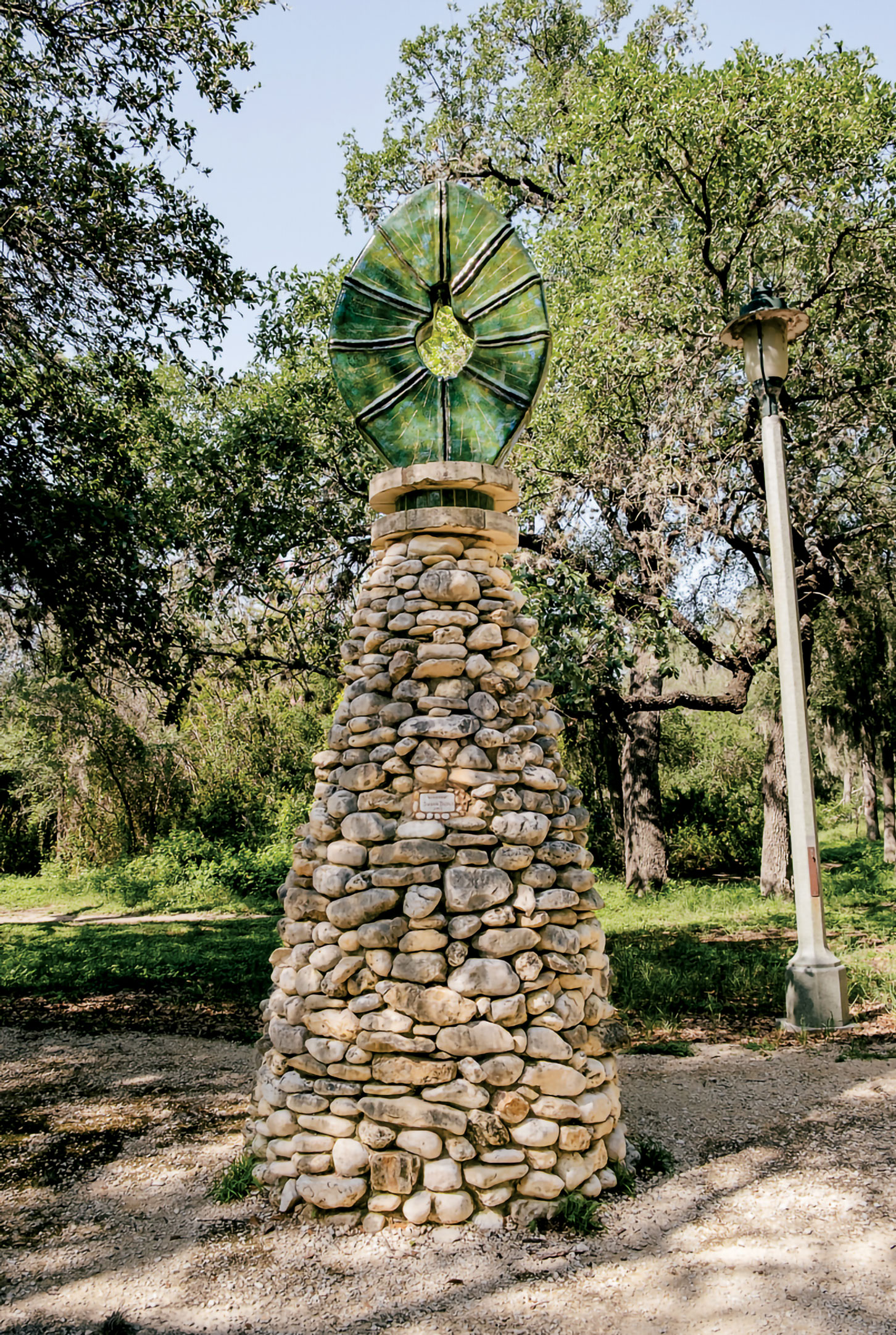
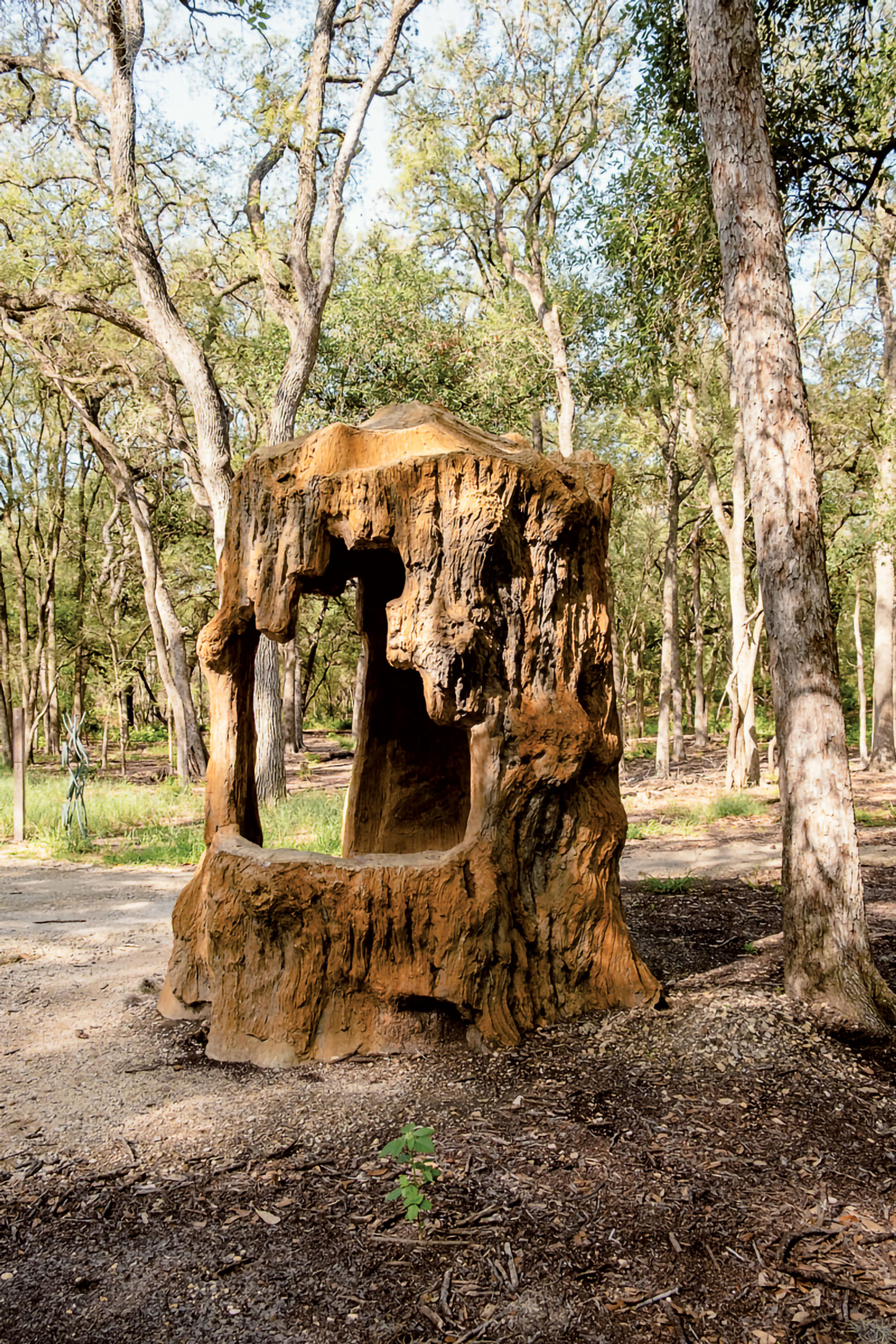
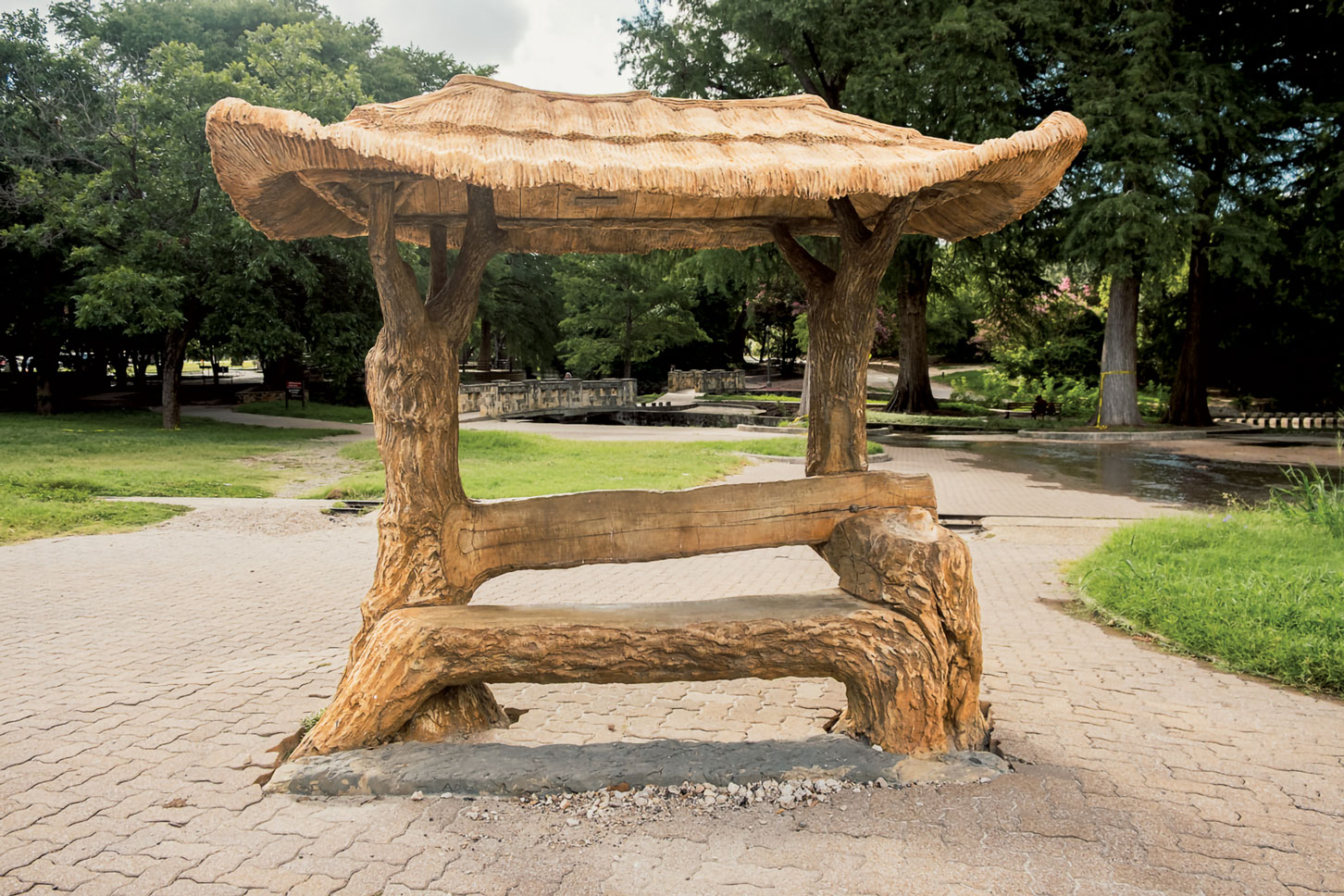
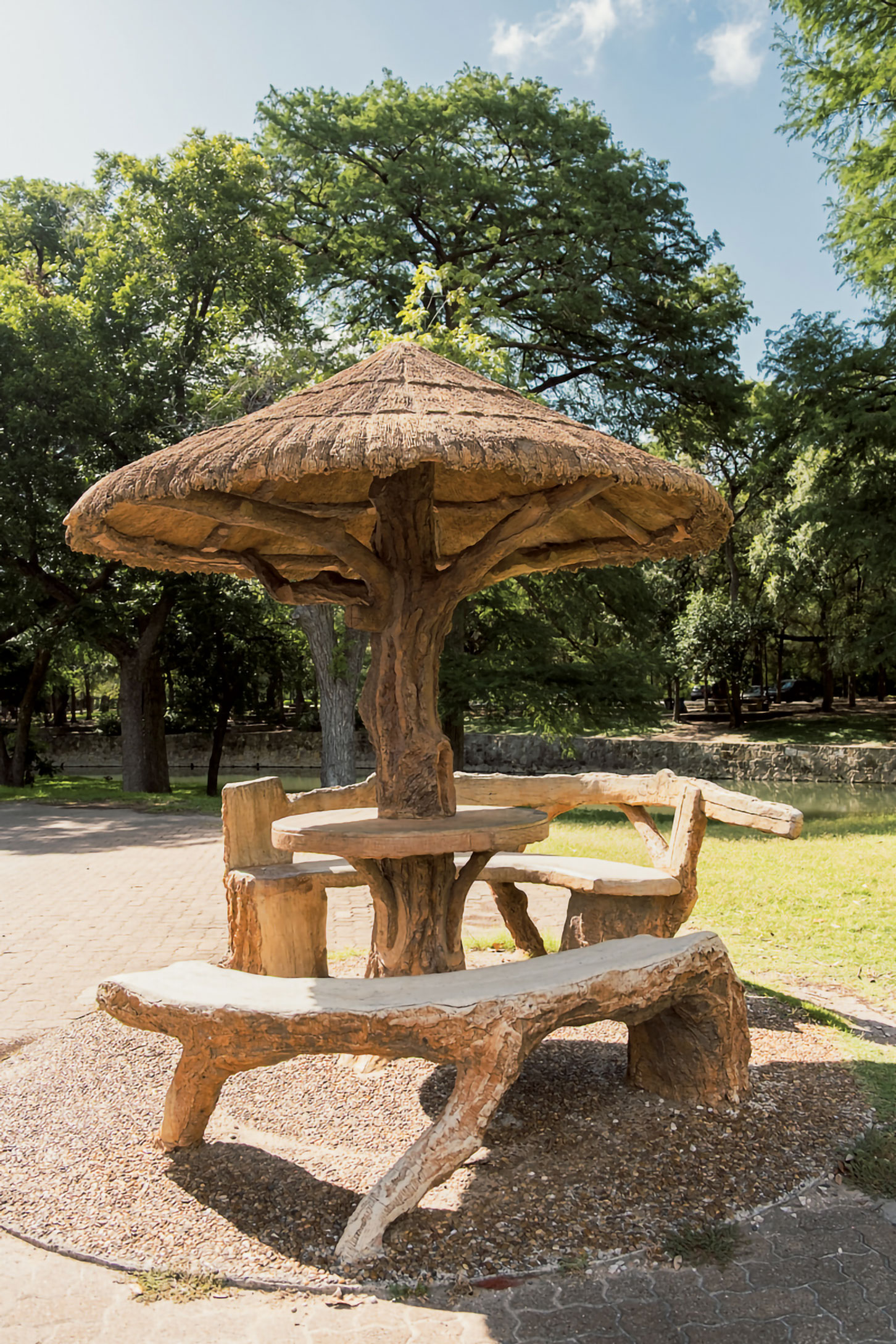
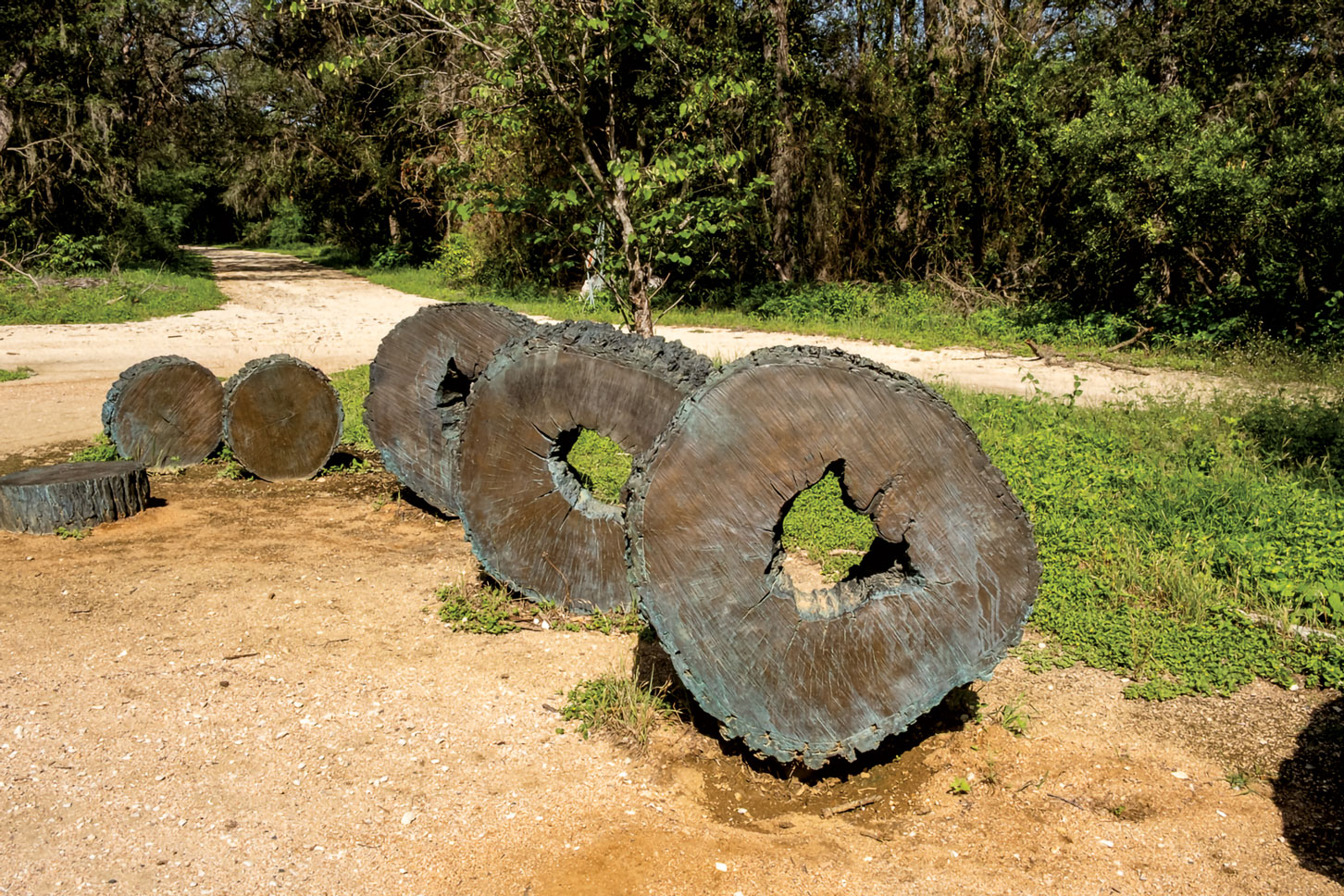
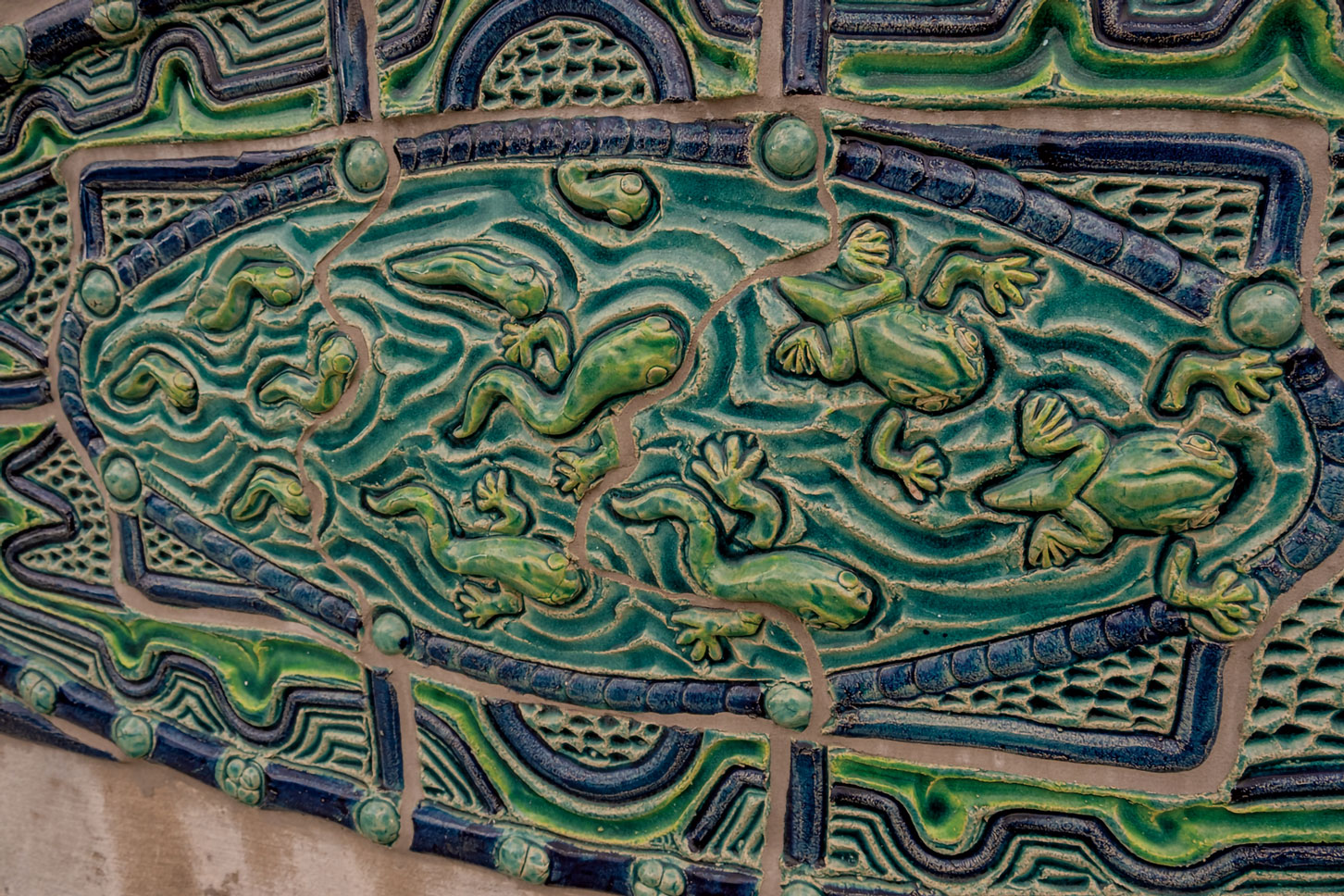
The collection includes an impressive five faux bois pieces from the 1920s by faux bois master Dionicio Rodriguez. Other artists incorporated the park’s flora and fauna into their designs. On three trailhead markers by Susan Budge, her ceramic sculptures include representations of waterways, acorns and an anaqua seed in a bird’s mouth. In “Glorieta,” artist Anne Wallace created a series of cast bronze tree sections from fallen pecan trees. Ceramic artist Diana Kersey illustrates the transformation of a native toad from egg to adult, while incorporating a quatrefoil motif — a design stemming from early missions and iconic throughout San Antonio.
The Brackenridge Conservancy Art Walk is more than a collection of sculptures. Each installation tells a story about the people, cultures and natural forces that shaped San Antonio. Thanks to the Conservancy’s efforts, these stories are now easier to find, appreciate, and share. Whether you’re a longtime San Antonian or a first-time visitor, the Art Walk offers a fresh way to experience one of the city’s most treasured landscapes.