How Artists Turned the Lone Star Art District

into One of San Antonio’s Creative Anchors

By:

Long before the Lone Star Art District became a monthly destination for gallery hopping, live performances and conversations about contemporary art, it was a neighborhood few people lingered in after dark. Vacant industrial buildings, low property values and even drug activity defined parts of the area. For a small group of artists, however, those challenges represented opportunity.

Today, the district’s Second Saturday Art Walk has become a year-round tradition, drawing visitors every month to explore galleries and artist spaces in the neighborhood. More than an art event, it reflects a philosophy that artists thrive when they have affordable places to create, own their spaces, and build community together.

For artist and public art pioneer Bill FitzGibbons, the transformation has been decades in the making. “We bought Lone Star Studios in 2002 after learning about the property from Andy Benavides,” FitzGibbons recalled. “At the time, Joe Lopez owned Gallista Gallery, and Andy Benavides and Alberto Mijangos had opened 1906 in the early ’90s. They were the first artists to actually own buildings in the district.” Those early artist-owners weren’t simply creating studios — they were building an arts ecosystem. 

As galleries began hosting exhibitions, they noticed a pattern. Visitors would start at First Friday in the Blue Star Arts Complex before arriving later at Lone Star Art District galleries, often after the night’s celebrations had already taken its toll. “They’d come over late — and sometimes overserved,” FitzGibbons said with a laugh.

The solution was simple but transformative: establish a destination of its own. Around 1994, the founding group created what would become Second Saturday, giving the Lone Star Art District its own dedicated monthly celebration.

A Different Vision for an Arts District

FitzGibbons understood both the promise and the pitfalls of San Antonio’s growing arts scene. Having served as director of Blue Star for a decade, he watched First Friday evolve from an intimate gallery experience into a citywide social event. “First Friday became a really big deal,” he said. “Then it became a place to party.”

At the same time, the success of First Friday revealed another problem. Artists leasing studio space watched rents rise as neighborhoods became fashionable. Many found themselves helping revitalize communities only to be priced out of them.

The Lone Star Art District offered an alternative model. Instead of relying primarily on commercial galleries or leased studio space, artists invested in buildings, creating permanent homes for their work while fostering a collaborative creative community. “There were only two or three commercial galleries in San Antonio then,” FitzGibbons said. “In the Lone Star area, there were about 10 to 12 artists, and everyone was supportive of each other.”

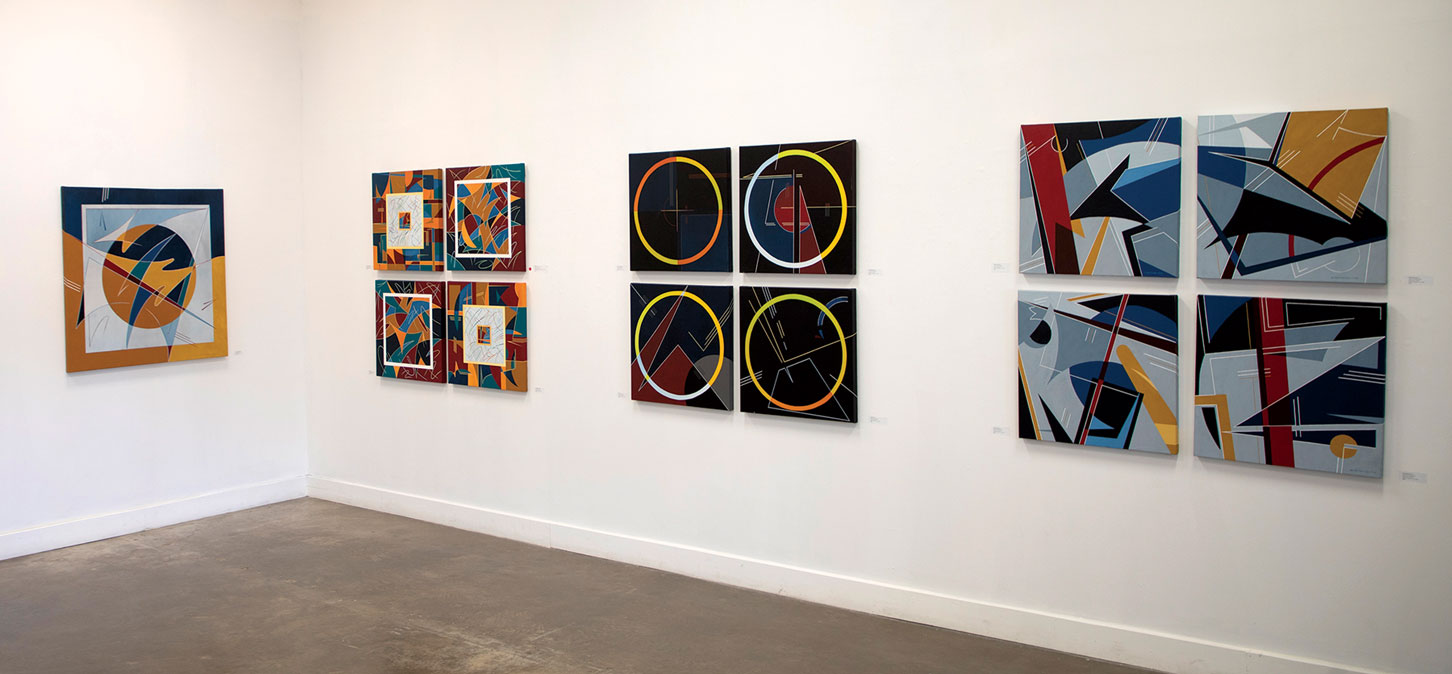
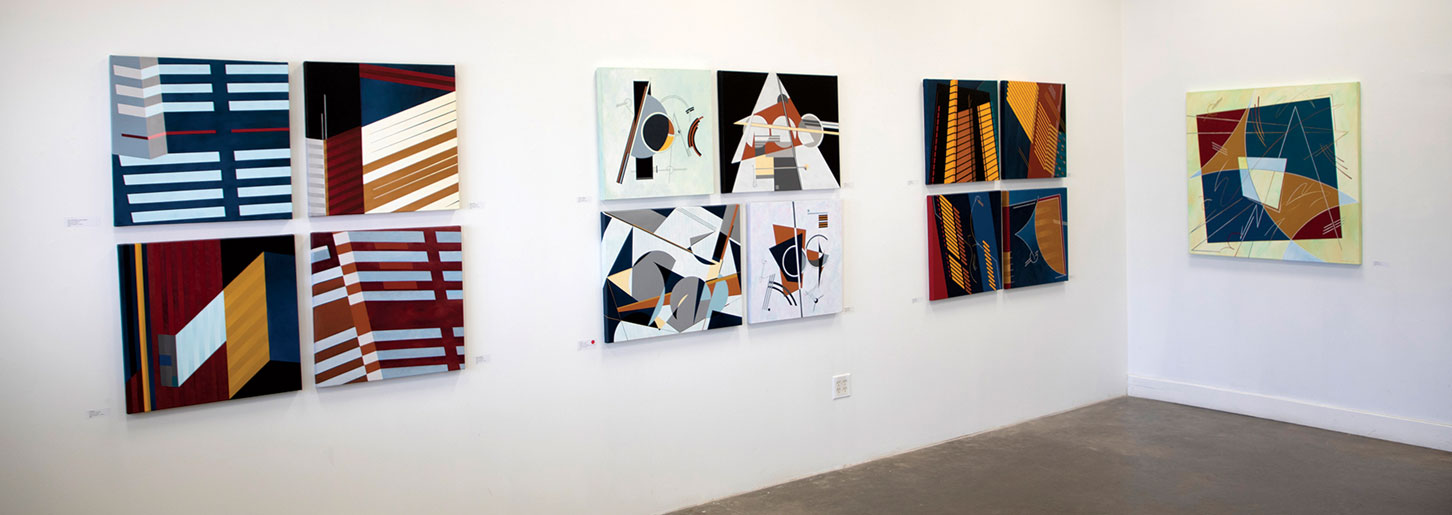
“I believe the Lone Star Art District is the beating heart of the San Antonio arts scene. Many great artists have studios there and a number of interesting galleries populate the district, making it a magnet for all forms of art,” said artist Alan Hollander, who exhibited his work at Dock Space Gallery in 2024.

More Than Exhibitions

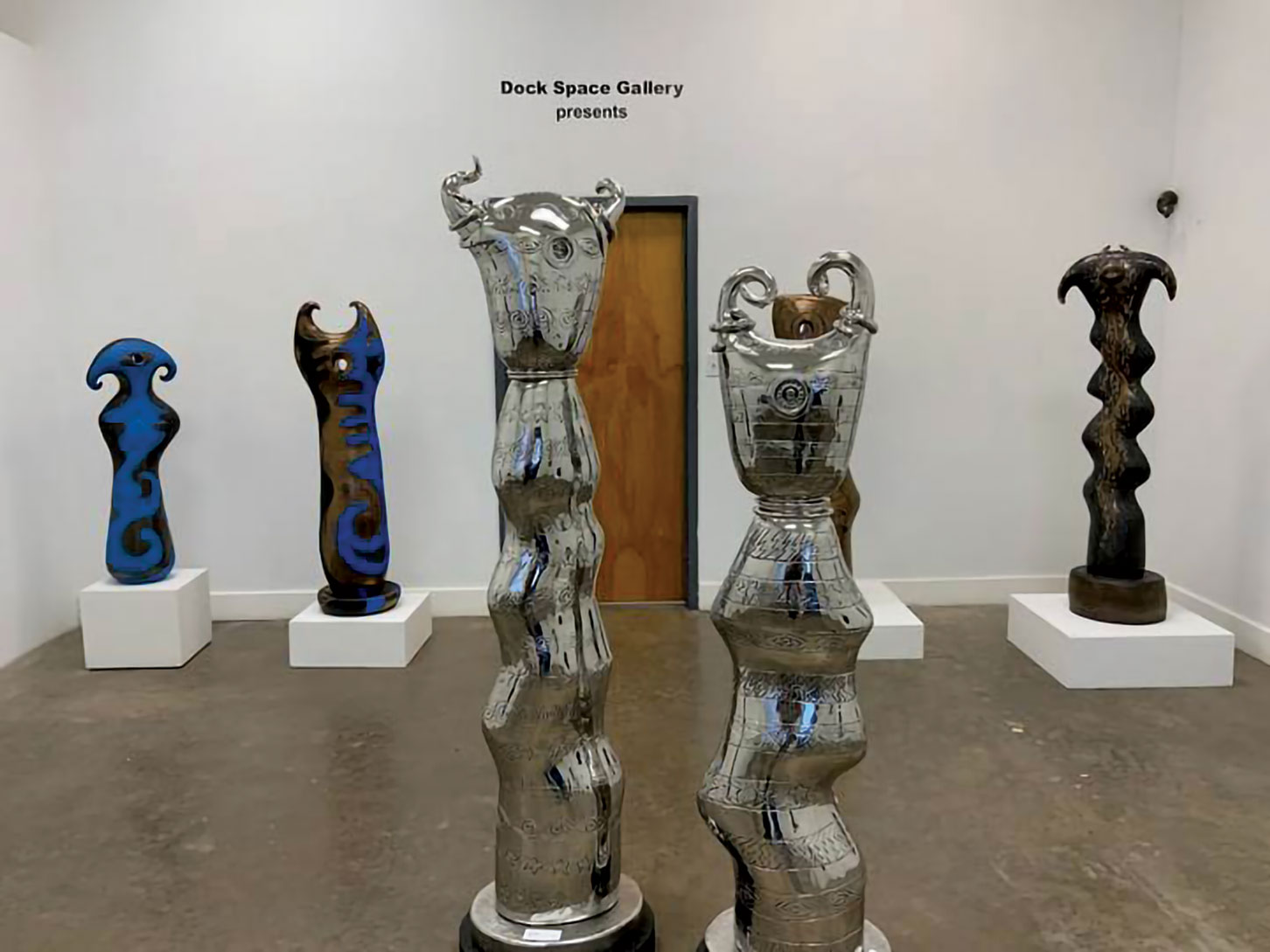
Second Saturday continues every month, with galleries such as Dock Space Gallery, Studio 111, Lone Star Studios and 1906 opening their doors, typically from 6:00 to 9:00pm, while some venues remain open even later. But the district brings much more than a monthly event.

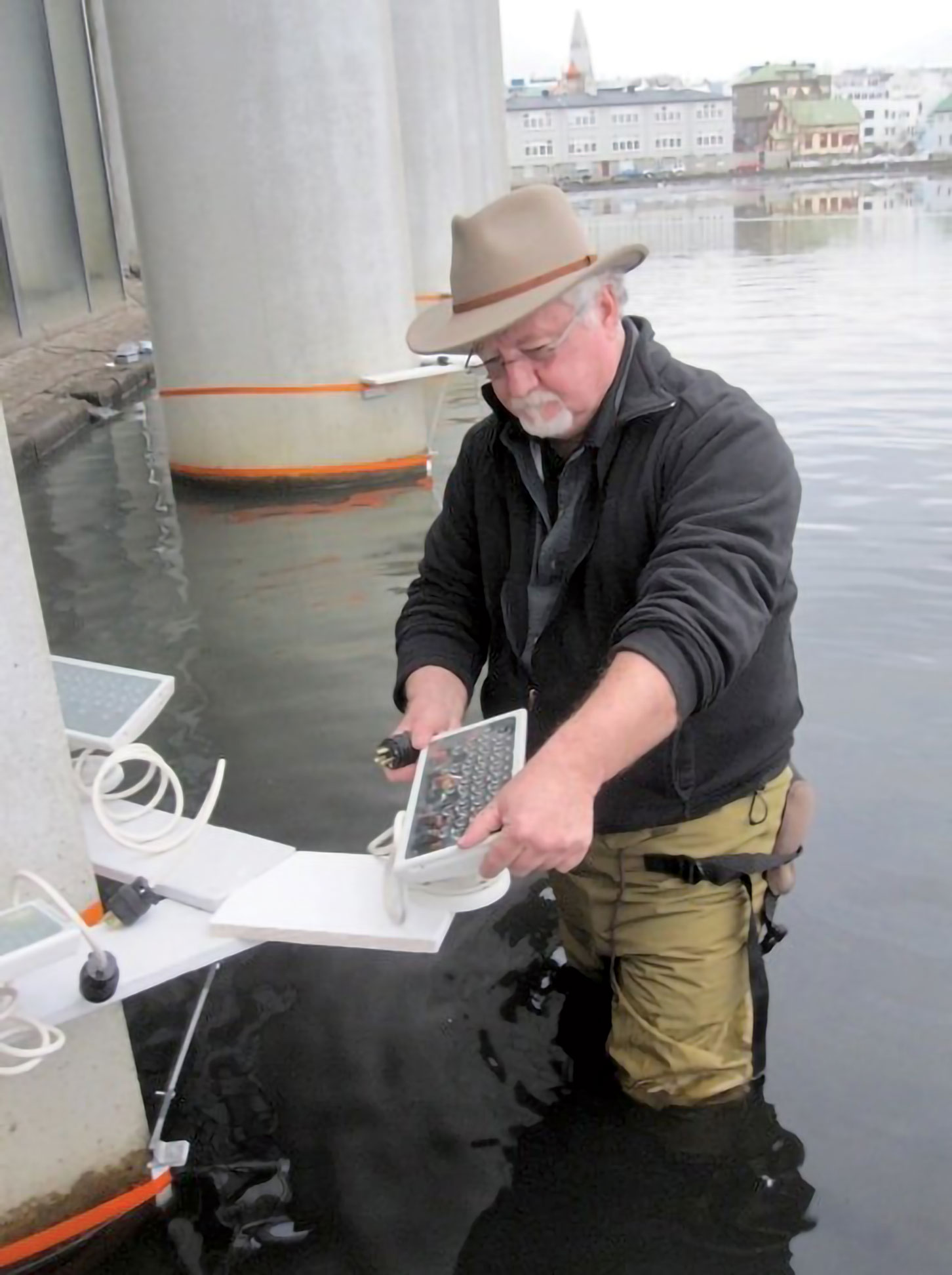
“Bill FitzGibbons, who is an internationally recognized artist with light installations in five countries and throughout the United States, is a major influence in the San Antonio art scene. He has kindly dedicated two areas of his studio as galleries to promote visual arts, offering exhibits to both experienced and upcoming artists in San Antonio and throughout Texas. Bill has given opportunities to many deserving individuals and works with art students in the city giving them invaluable experience,” shared Hollander.

FitzGibbons has made mentoring emerging artists a central part of his work, regularly hosting interns from local universities as well as students from the North East School of the Arts (NESA). While colleges excel at teaching technical disciplines like ceramics, printmaking, woodworking and metalworking, they rarely teach public art. “That’s what my interns are learning,” he said.

FitzGibbons also believes many students leave school without understanding other essential aspects of becoming an artist, and his advice extends beyond technical skills. “I tell young artists that 50 percent of being an artist is talent. The other 50 percent is networking.”

He remembers one particularly gifted but introverted high school student who planned to attend college close to home. “I told him he couldn’t do that,” FitzGibbons said. “You have to go to openings. You have to meet people, even if you’re introverted.” The student took the advice, earned a substantial scholarship to the Art Institute of Chicago and returned with renewed confidence, expanded opportunities and a broader perspective on his career — and a beautiful girlfriend.
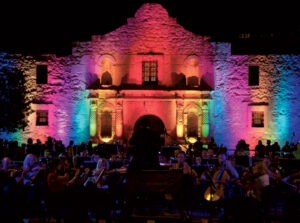
Lighting of the Alamo by Bill Fitzgibbons, 2008, 16′ x 38′ x 2′, San Antonio,Texas. Computer controlled LED lights. Alamo Lights was the first artistic lighting of the historic Alamo. It was a collaborative performance with the San Antonio Symphony as part of San Antonio’s inaugural Luminaria, an annual citywide celebration of art and artists. Commissioned by the City of San Antonio and the Daughters of the Republic.
A Creative Identity for San Antonio

In the early years, convincing artists and businesses to invest in the neighborhood wasn’t easy. Yet affordable real estate made it possible for artists to establish long-term roots. “When we first moved here, the neighborhood had some issues, like drug dealers,” FitzGibbons said candidly. “The good news was the property values were so low.”

As galleries multiplied and artists claimed former industrial buildings, the neighborhood began to change. “Whenever you have art and galleries in a section of the city, it becomes the hip place to go to,” he said. “But it impacts economics.” The challenge, of course, is ensuring artists remain after the neighborhood becomes desirable. It’s why ownership mattered in the beginning and why it still matters today.

Second Saturday regularly showcases emerging local talent alongside established Texas artists and even international guests. “San Antonio has a really good statewide and national opportunity to express its visual artists community,” FitzGibbons said.

More than two decades after its founding, visitors experience not only galleries but also a thriving corridor of locally owned restaurants, studios and creative businesses along Lone Star Blvd., illustrating how cultural investment can reshape an entire neighborhood without losing its artistic identity.

Fun

Inside San Antonio’s Arciniega District

In May of this year, following the completion of the long-running construction along South Alamo Street, neighboring hotels Kimpton Santo San Antonio – Riverwalk and Plaza San Antonio Hotel & Spa officially debuted the Arciniega District, a new lifestyle and dining destination that connects downtown and Southtown.

Read More »
Fun

Holiday Forecast: Ice! in the Hill Country

If you’re looking for a cool holiday outing, add this to your calendar. ice!™, JW Marriott San Antonio Hill Country Resort & Spa’s immersive Christmas experience, returns for its third season, bringing one of the most unique holiday attractions in Texas. This year’s theme is Rudolph the Red-Nosed Reindeer™, a classic that kids love and adults know by heart.

Read More »
Culture

Super Heroes Take Over the San Antonio River Walk

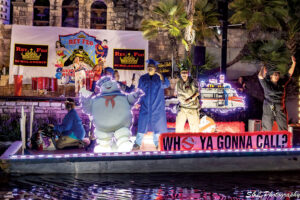
Calling all super heroes, sidekicks and comic book fans: it’s time to don your cape and head to the San Antonio River Walk. The annual Rey Feo Super Hero River Parade for Education is returning on September 26 with a colorful lineup of costumed characters, decorated floats, live entertainment and a special tribute to the local heroes who keep San Antonio safe.

Read More »
Culture

The Marigold Magic

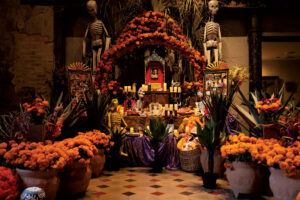
Every fall, San Antonio bursts into color as marigolds bloom, candles illuminate elaborate ofrendas and calaveras, Catrinas and fantastical alebrijes appear throughout the city. Music fills the streets, families gather and food becomes a way to connect generations — both living and departed.

Read More »
Culture

Gothic Guardians of San Antonio

Perched on the eastern edge of Alamo Plaza, the Emily Morgan Hotel — with its soaring copper roof, stone gargoyles and gothic silhouette — stands out as one of San Antonio’s most iconic landmarks. While millions photograph the Alamo each year, many overlook the impressive Neo-Gothic tower directly across Houston Street. This building’s rich history includes medicine, architecture, preservation, tourism and tales of the supernatural.

Read More »
Culture

Fore! Fun! Hit the Alamo City Golf Trail

Almost every city has a municipal golf course or two. Some have more. But almost none of them have a golf trail. San Antonio’s Alamo City Golf Trail is a national standout — eight courses under one name, one reservation system and one nonprofit mission: keep public golf excellent, keep it affordable, and keep the money in the courses instead of in a shareholder’s pocket. Since 2007, when the Golf Trail was put together under the management of the new, nonprofit Municipal Golf Association of San Antonio (MGASA), it has reinvested nearly $44 million in the city’s courses, according to Andrew Peterson, the Association’s President and CEO. Another $40 million in improvements is planned over the next 20 years.

Read More »

Culinary Arts Listings