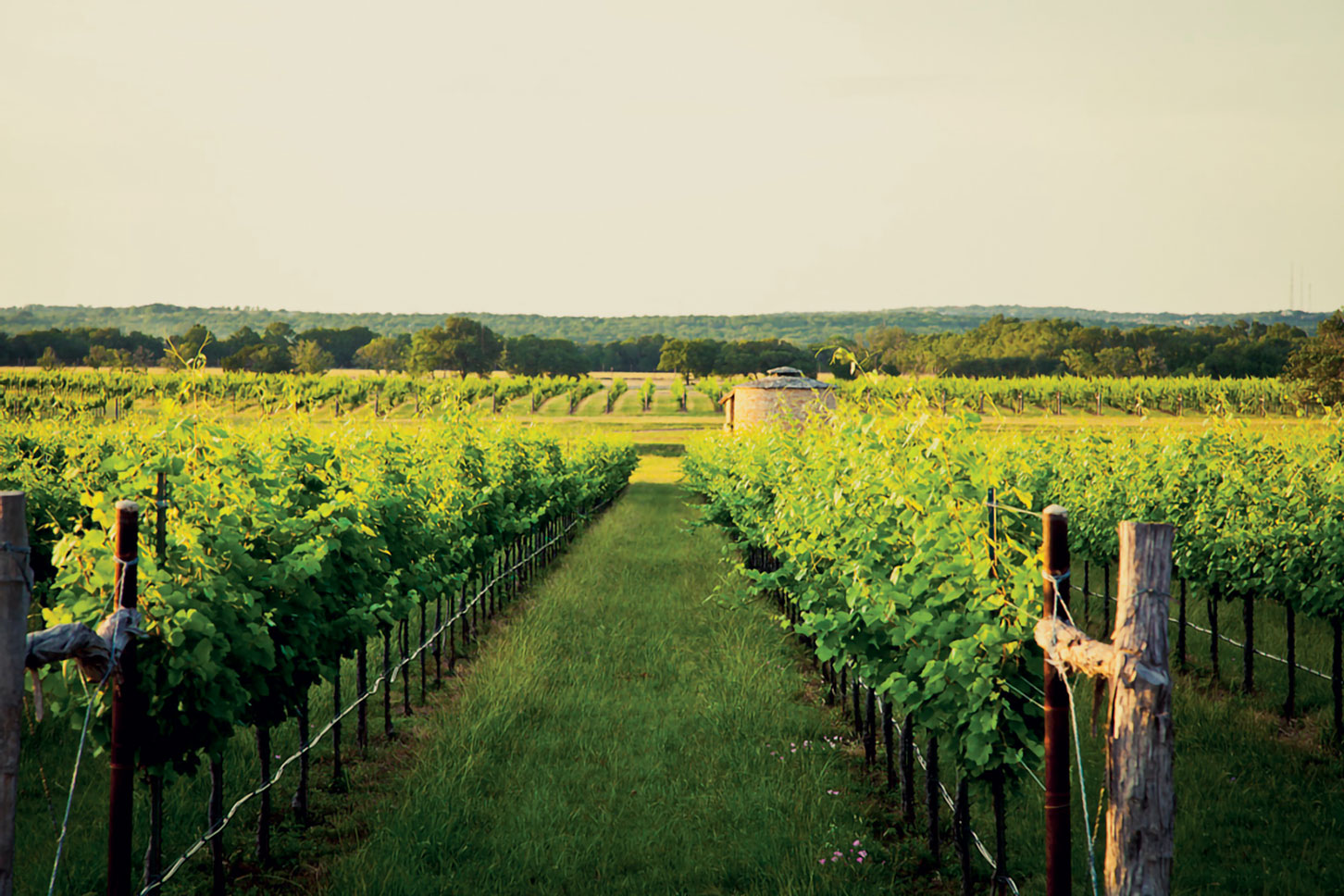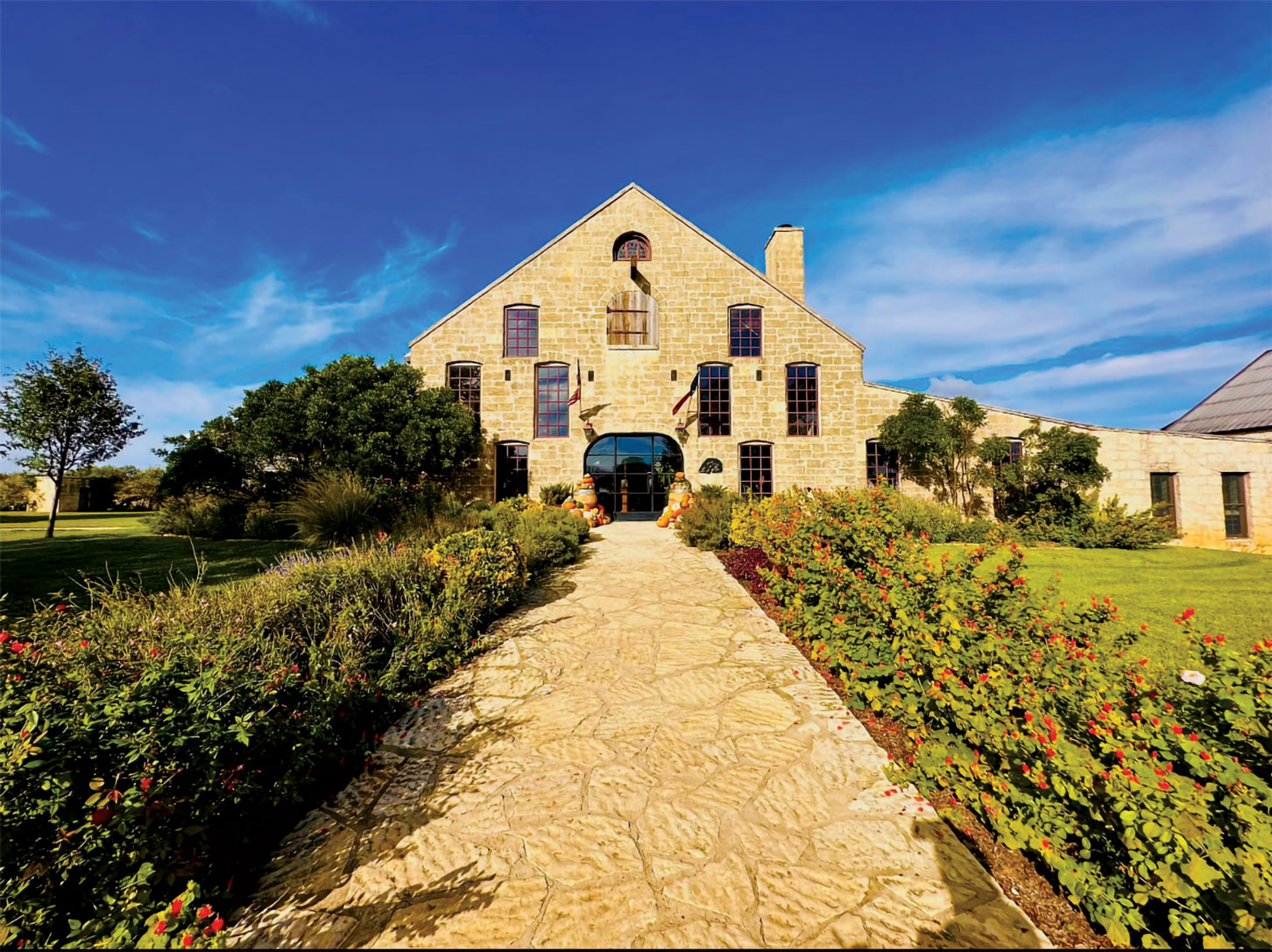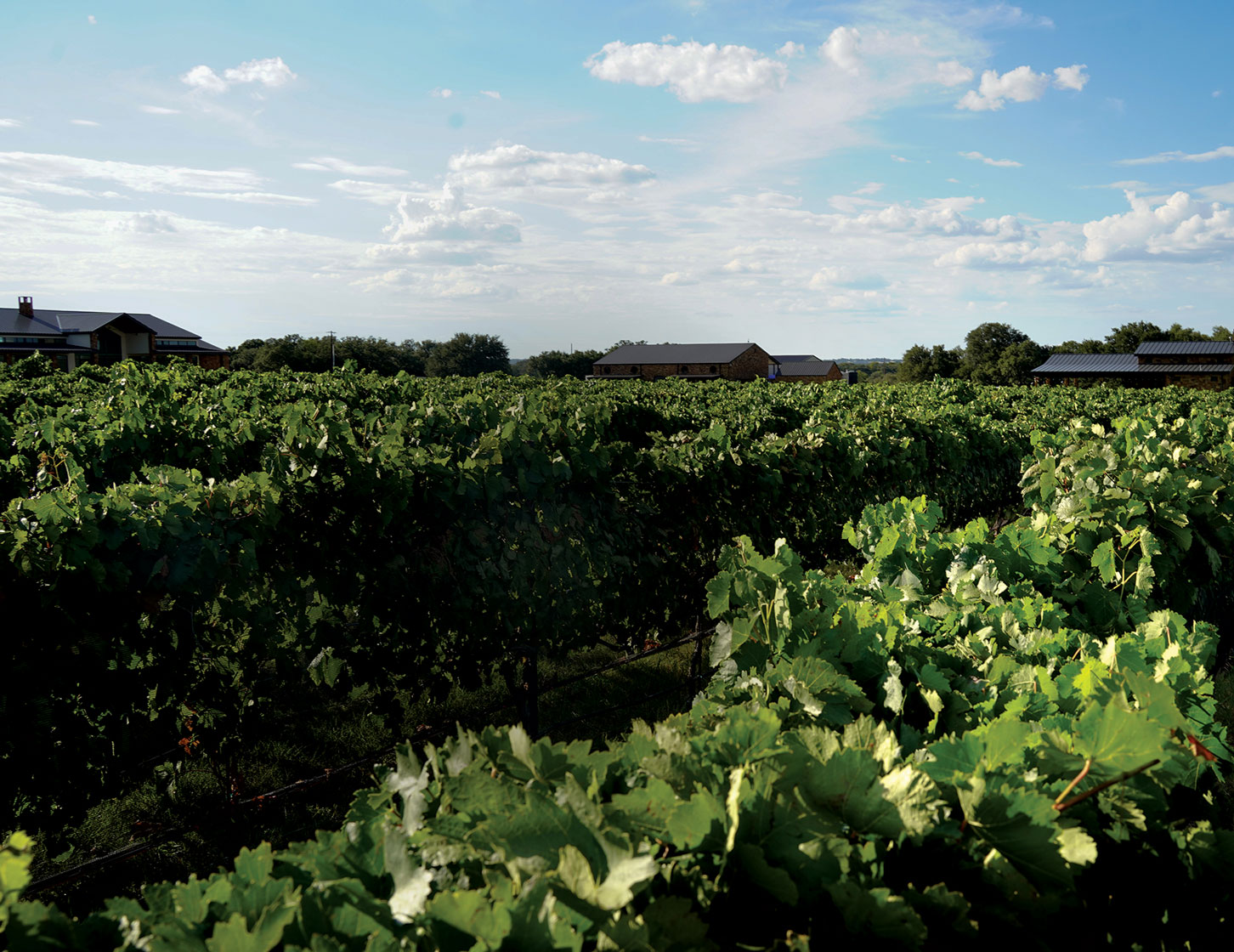
Long before California’s wine industry emerged, Franciscan missionaries had planted some of North America’s earliest vineyards in settlements along the Rio Grande in 1659, using Mission grapes to make sacramental wine. Through the 1800s, there were other attempts at winemaking using native varieties like Mustang grapes and Muscadine. In 1883, Italian immigrant Frank Qualia and his family established Val Verde Winery in Del Rio, using another native grape varietal, Lenoir, to craft early table wines.
Around that same time, viticulturist Thomas Volney Munson was conducting pioneering work in Denison, Texas. His research on native Texas grape rootstocks provided the solution to the phylloxera epidemic devastating European vineyards, earning him international recognition as one of the most influential figures in global wine history. Unfortunately, by the early 1900s the Hill Country’s early wine culture all but disappeared during Prohibition, which shut down nearly all Texas wineries. Only Val Verde survived by selling table grapes and sacramental wine.
It wasn’t until the late 1960s when researchers at Texas Tech University in Lubbock planted some of the first Vitis vinifera vineyards in the Texas High Plains. Inspired by this promising research, Dr. Clinton “Doc” McPherson co-founded the pioneering Llano Estacado Winery in Lubbock in 1976 to great commercial success. Thanks to these efforts, the High Plains became the nucleus of wine grape production in Texas, and parts of the region were designated as an American Viticultural Area (AVA) in the late 1970s.
Meanwhile, Susan and Ed Auler had a life-changing experience during a trip to France, in which they’d hoped to source different cattle breeds for their family ranch in the small town of Tow, in the Hill Country. They were captivated by French wines and viticulture and, seeing the similarities between their land and that of the French vineyards they visited, they decided to give growing grapes a chance rather than raise cattle.
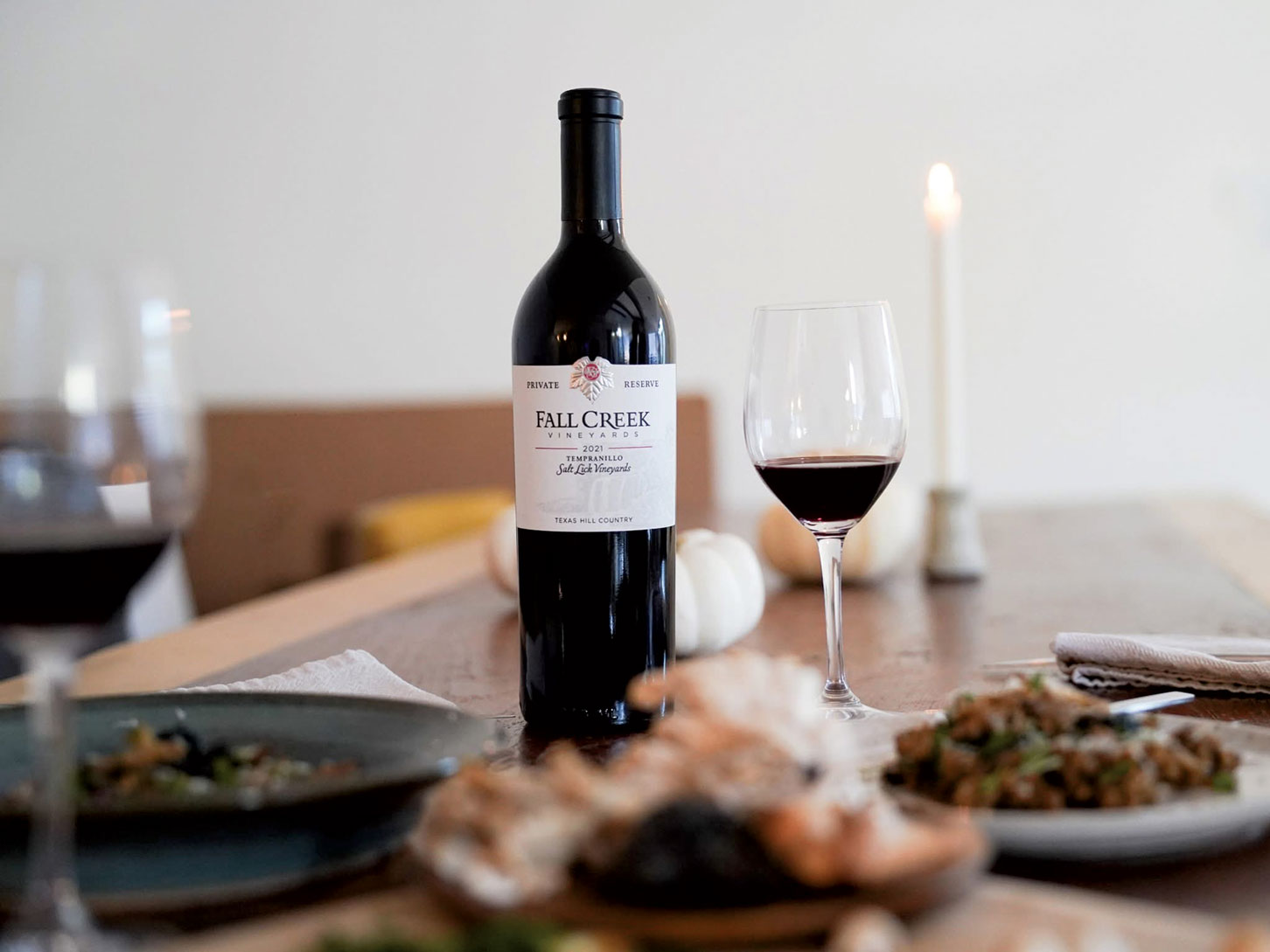
Ed conducted extensive research and finally planted their first Bordeaux grapevines, establishing Fall Creek Vineyards in 1975. Ed consulted with renowned winemaker André Tchelistcheff to help him in their new endeavor, becoming a winemaker in his own right and guiding the style that evolved into one of the most awarded wineries in the state, solidifying the region’s reputation with varietals like Chardonnay, Chenin Blanc, Grenache and Tempranillo.
Ed’s background in law enabled him to lobby the Texas Legislature to pass the Texas Farm Winery Act in 1977, which allowed winemaking in the “dry areas” of Texas where selling alcohol was still prohibited. Two years later, he got the legislature to pass additional laws that allowed Texas wineries to sell their wines on site. Ed was also instrumental in petitioning the Federal Government in the 1980s to establish the Texas Hill Country AVA — a designation approved in 1991, which recognized the region’s unique climate, soils and growing potential. It became the fourth AVA in Texas and one of the largest in the U.S., spanning 9.6 million acres of limestone hills, sandy loam soils and dramatic temperature swings. These conditions favor Mediterranean, Iberian and Rhône varietals that handle heat, drought and humidity.
But the Aulers’ work was not done. To further promote the Texas Hill County wine industry, the couple created the Texas Hill Country Wine and Food Festival in 1986, which showcased many early wineries like Messina Hoff, McPherson Cellars, Texas Hills Vineyards, Becker Vineyards, Grape Creek Vineyards, Alamosa Cellars, Spicewood Vineyards and Flat Creek Estate, among many others. Today, the Texas Hill Country is home to more than 100 wineries, with 69 official members of the nonprofit Texas Hill Country Wineries (THCW) trade association.
Sadly, Ed Auler passed away unexpectedly in October 2023, shortly after Fall Creek Vineyards’ 50th anniversary. That year, Susan sold the winery to longtime winemaker Sergio Cuadra, who had been leading winemaking efforts at Fall Creek alongside Ed since 2013. But Ed’s legacy also lives on with many winemakers and viticulturers whom he mentored and helped along. One of them was his cousin, Ron Yates, who purchased Spicewood Vineyards from its original owners, Madeleine and Ed Manigold, in 2007.
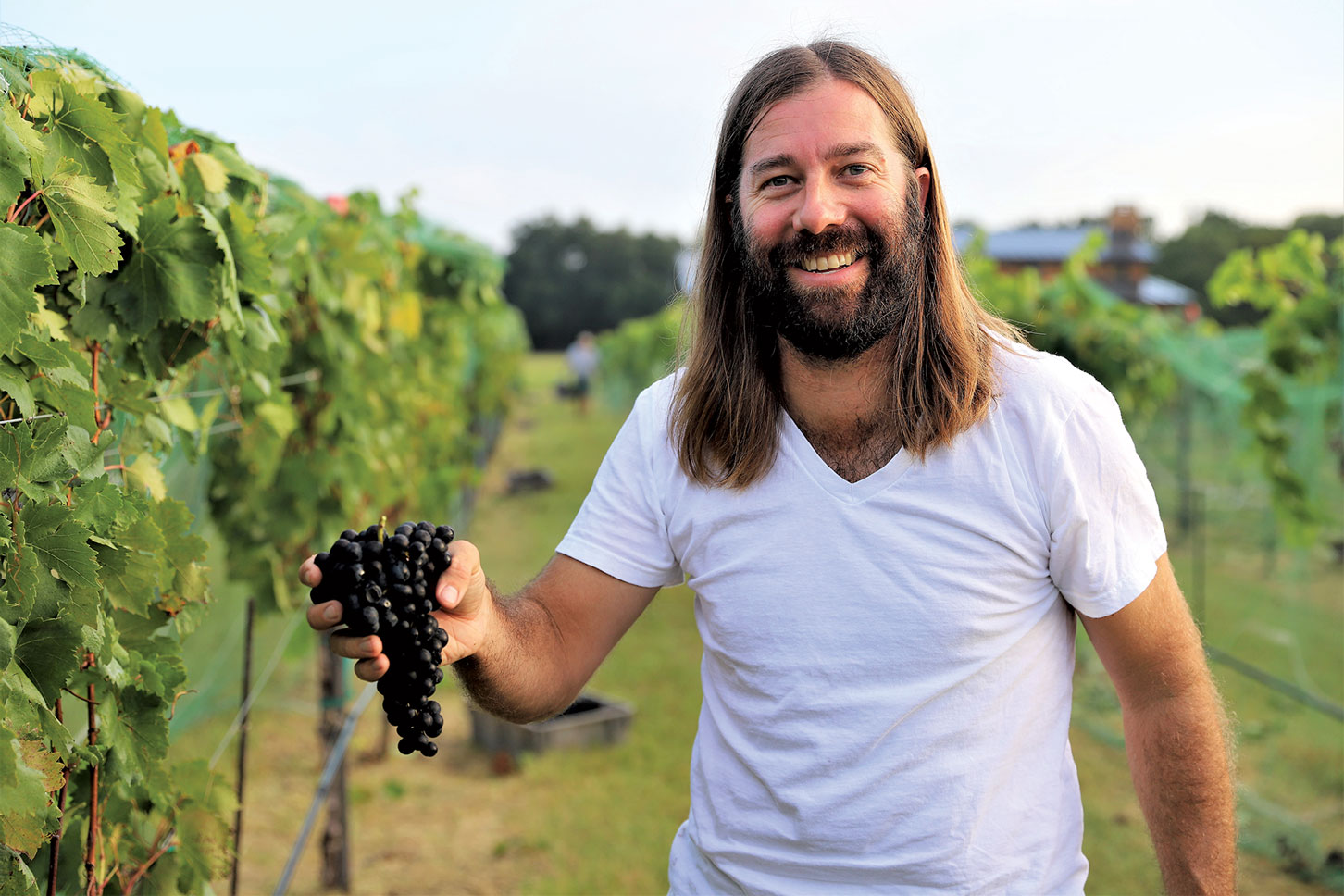
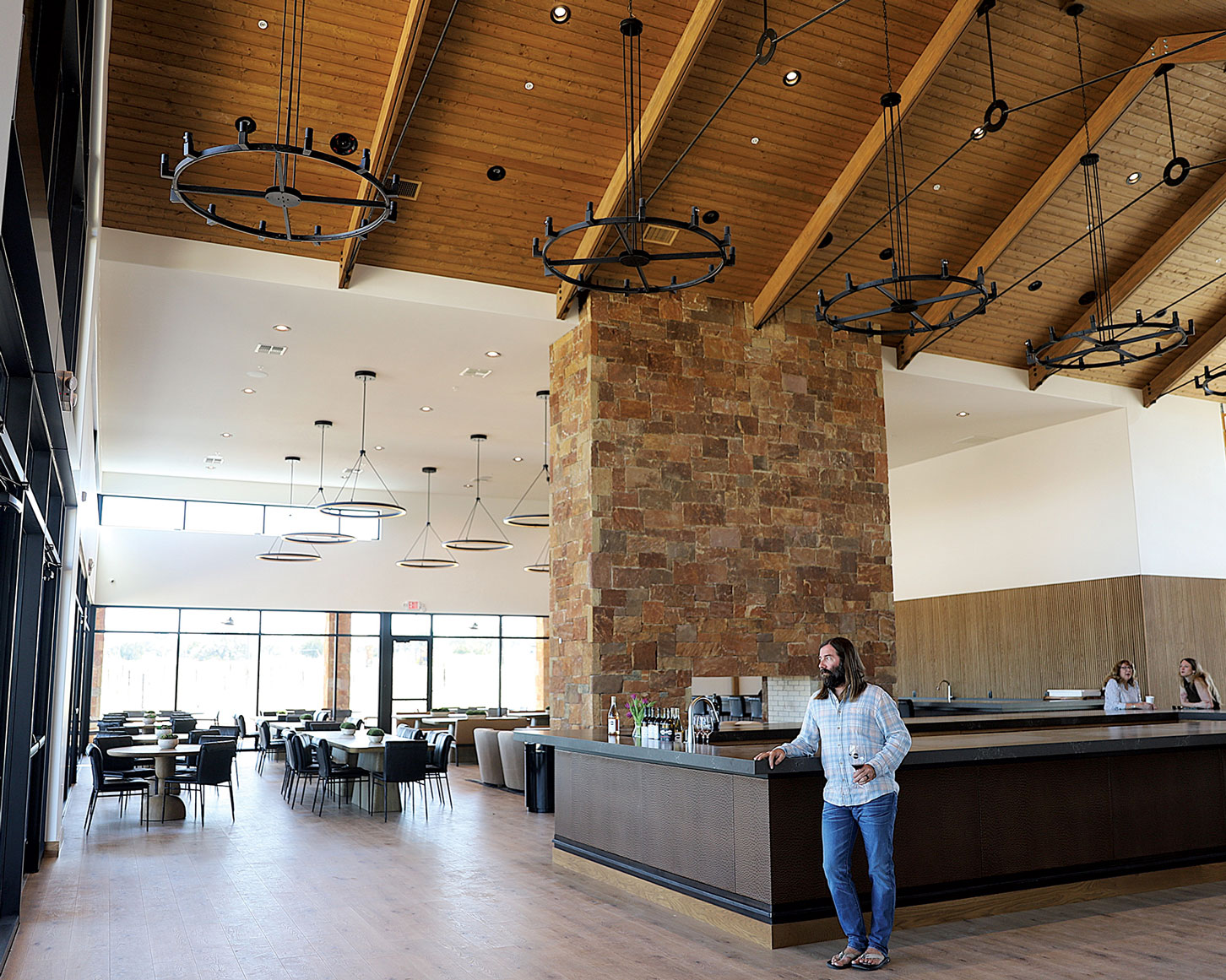
Ron had acquired a love for wine while studying in Spain and, realizing the similarities between his native Texas and the vineyards of Rivera Del Duero, he decided to trade his ranching roots for grape growing and winemaking, following on his cousins’ steps. After establishing his own signature at Spicewood with wines made from estate grapes, especially Tempranillo, his maverick spirit led Ron to open his eponymous winery in 2016, where we could experiment further with grapes from different regions, including High Plains and Dell Valley Vineyards. An expansive state-of-the-art tasting room in Hye opened in April to accommodate Ron Yates’ growing number of visitors, cementing the next chapter for the award-winning winery.
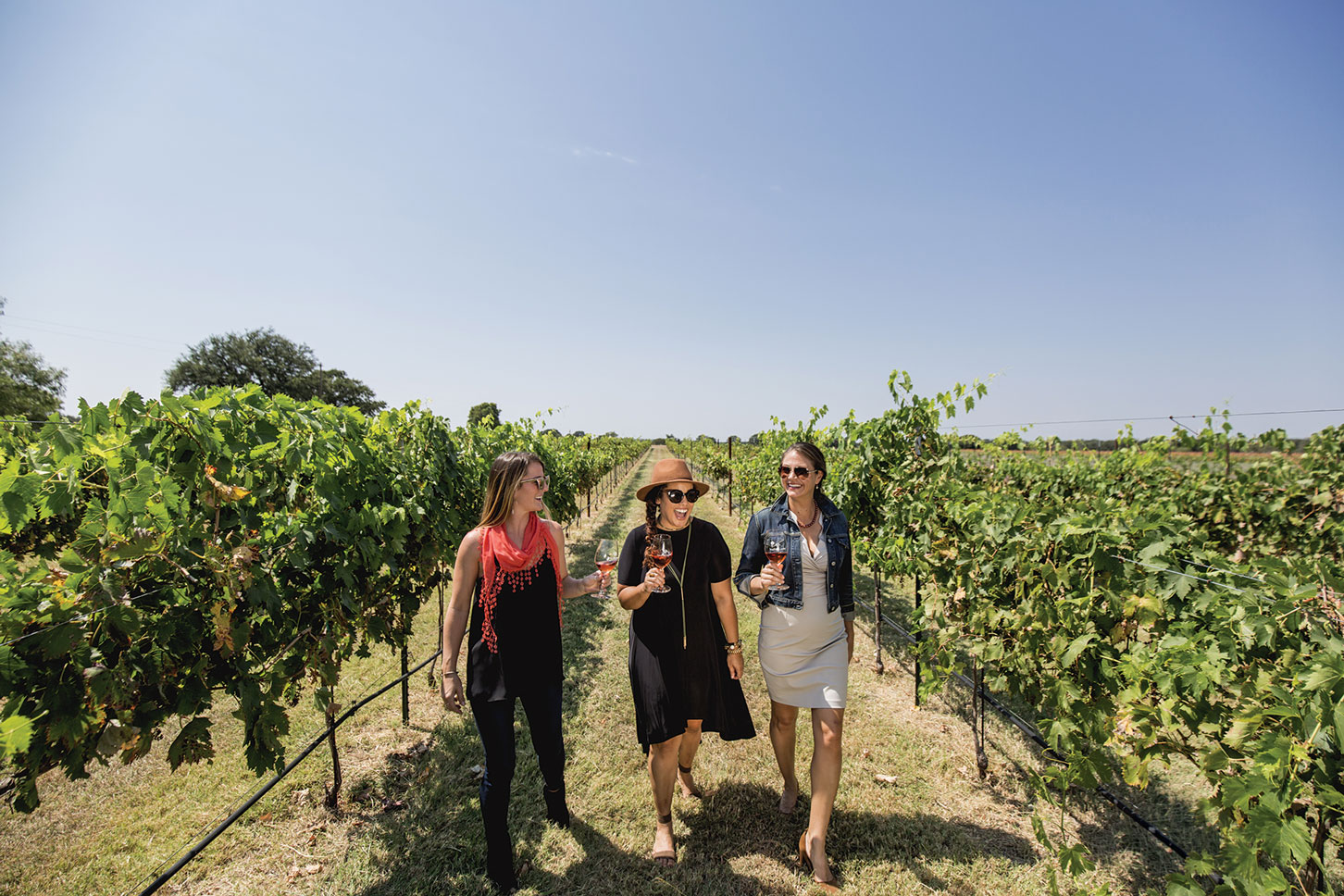
Hye as a wine region came into prominence when William “Bill” Blackmon and Chris Brundret founded William Chris Vineyards in 2008. Since then, the winery has been accumulating accolades and making waves in Texas wine history, advocating for truth in labeling as part of the global Wine Origins Alliance and through Texas Wine Growers, a trade association of winery and vineyards whose mission is to promote and protect the integrity of Texas wines made from grapes grown in the terroir of Texas. William Chris was one of the wineries who helped pass House Bill 1957 into law, which set new regulations for the labeling of wines produced in Texas as of 2021. And in 2025, William Chris became the first and only Texas winery named among the World’s 50 Best Vineyards, earning the No. 31 spot among the most celebrated wine destinations across the world.
Although the Salt Lick in Driftwood is best known as a legendary barbecue destination, they are also home to Salt Lick Cellars, born from the Roberts family’s desire to deepen their roots on the land they’ve called home for generations. The Roberts’ have been farming in Driftwood for many generations, dating back over 150 years. In 2006, they planted 35 acres of grape varieties including Tempranillo, Mourvèdre, Syrah and Grenache, and by 2008, they released their first bottle of Tempranillo.