San Antonio is one of only two cities in the United States — alongside Tucson, Arizona — to hold the prestigious title of UNESCO Creative City of Gastronomy, placing the Alamo City among an international network of communities celebrated for preserving culinary traditions while using food as a bridge between cultures. The designation honors not only chefs, but also the farmers, ranchers, food artisans, historians and generations of cooks who continue to influence the city’s evolving culinary story.
Awarded the designation in 2017, San Antonio’s application highlighted the city’s unique identity as a confluence of cultures. From Indigenous foodways and Spanish influences to the traditions brought by German, Polish, Canary Islanders and other communities, the city’s cuisine has always been a reflection of its beautifully diverse heritage.
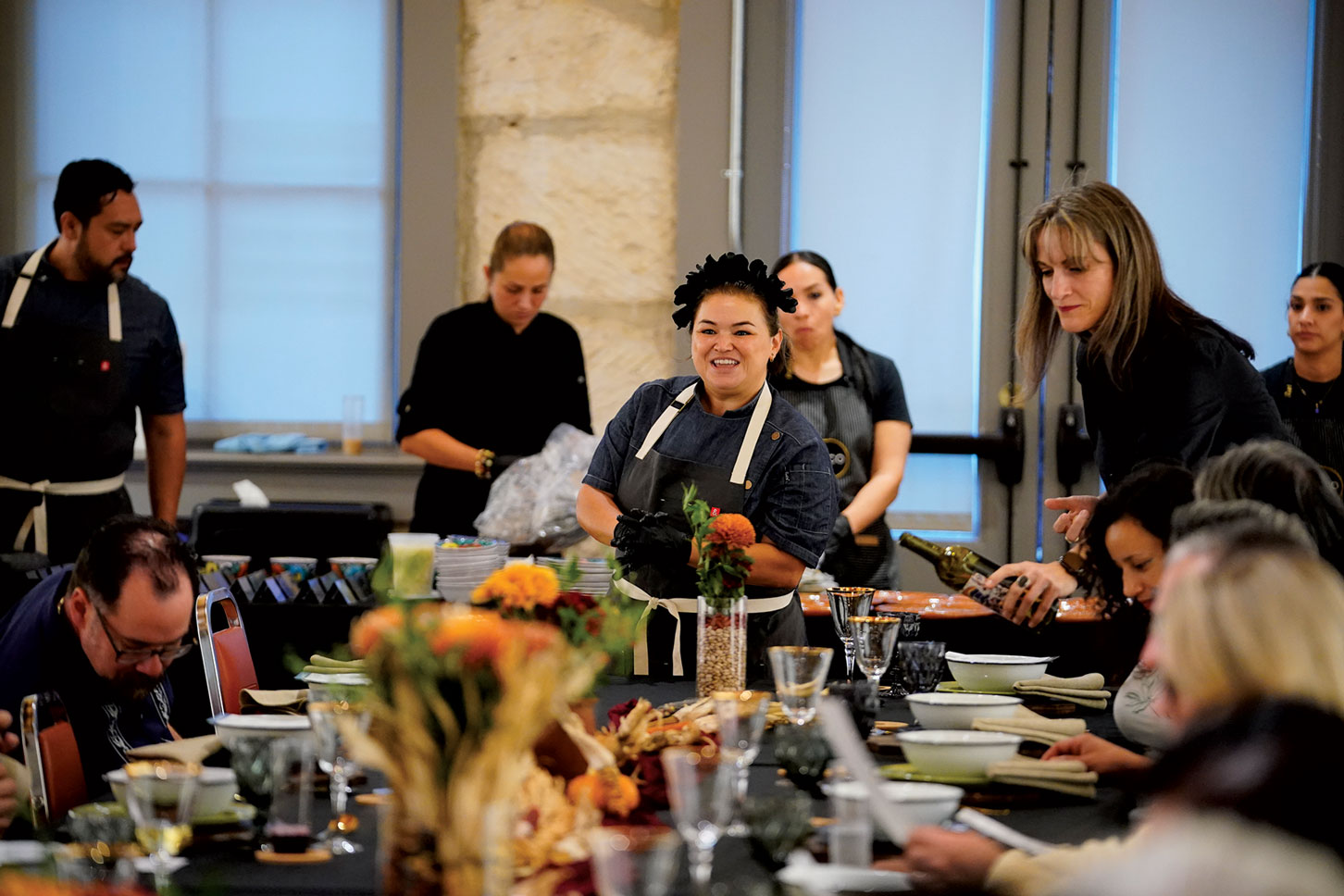
Every three years, the City of San Antonio’s World Heritage Office selects a delegation of local chefs to serve as culinary ambassadors for San Antonio at local and international festivals, fairs, workshops and special events. Chosen chefs are deeply connected to the city’s rich heritage and bring an authentic understanding of San Antonio’s unique culture, people and culinary traditions.
“This network is an opportunity to expand the way we think about food,” explained Colleen Swain, Director of the City of San Antonio’s World Heritage Office. “The chefs we send abroad represent San Antonio, and this is often, for many, their first introduction to each other. The chefs meet other chefs, cooks and culinary students, learn from each other, and bring that and more back to San Antonio.”
Through the San Antonio UNESCO Chef Ambassador Program, selected chefs share the city’s culinary story on an international stage while creating meaningful connections with chefs and people from other countries — using food as a form of cultural diplomacy.
“Chefs, in a lot of ways, are these magicians. They just know how to improvise and work on the fly. They make the resources they are given work and present it with a smile,” shared Colleen. “I’ve seen chefs come back truly inspired to share their experience and to think about San Antonio’s culinary landscape in new ways. It’s a lot of work, but they have fun and return with a new appreciation for San Antonio and all of the things we have in common with other places in the world, and it makes them think about new ways to innovate and integrate those experiences in their work.”
More than a designation, UNESCO’s recognition has become a catalyst for cultural exchange, culinary innovation and a deeper understanding of how food connects us all. That philosophy is at the heart of the Chef Ambassador program — and below are four notable chefs who have carried San Antonio’s story across oceans and deserts and returned home with new stories to share.
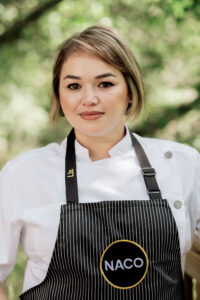 Chef Lizzeth Martinez, NACO Mexican Eatery
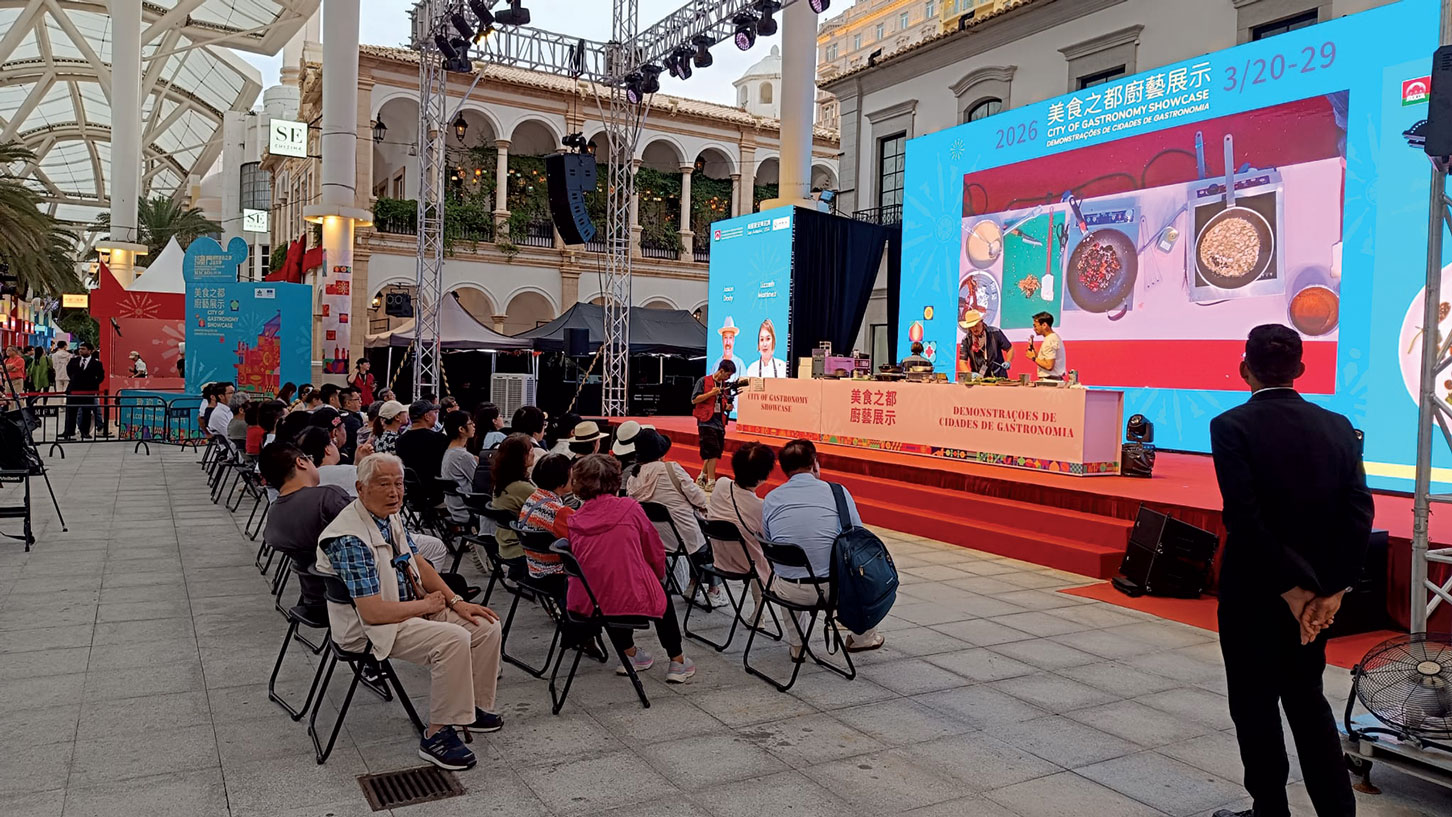
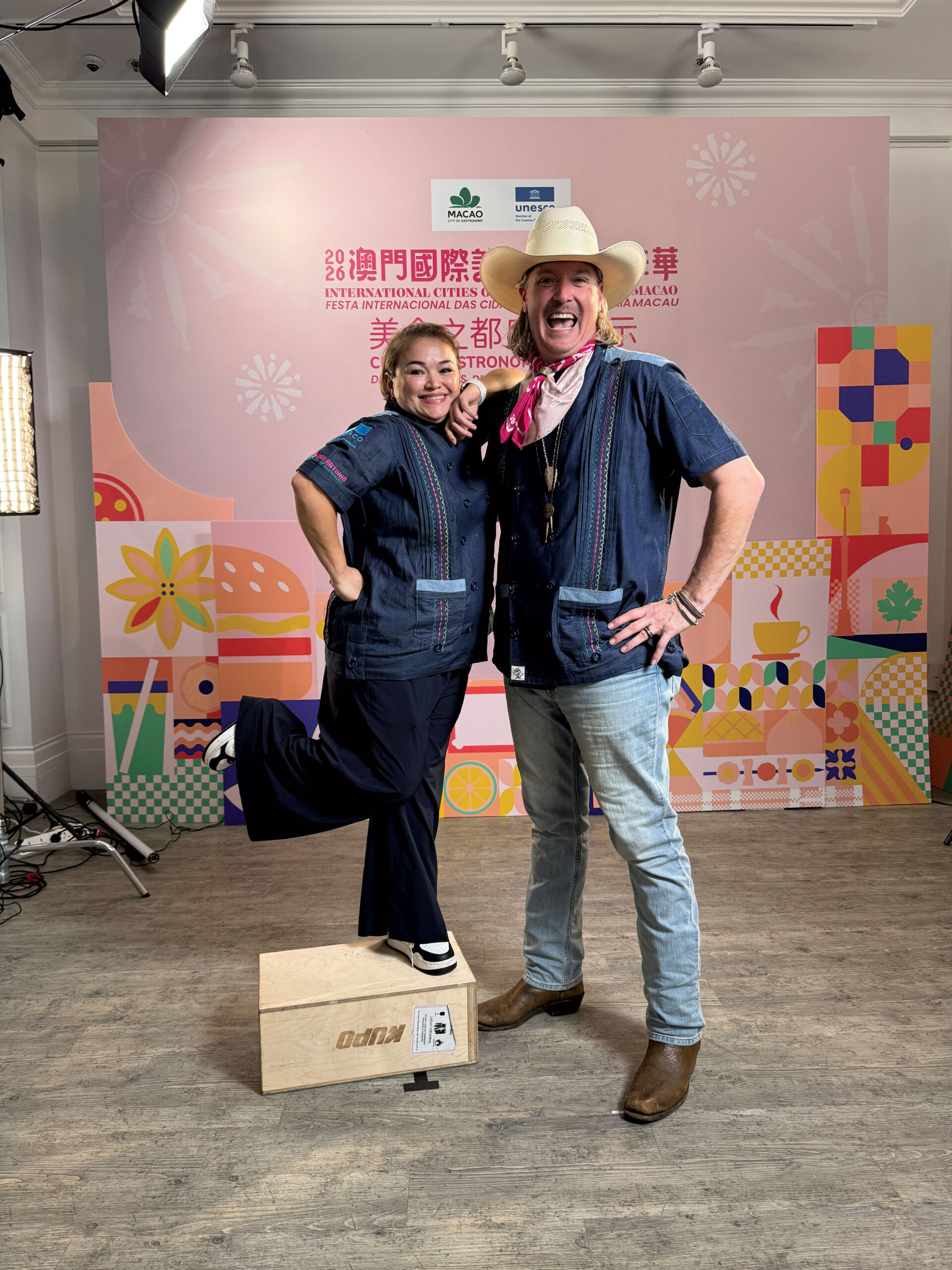
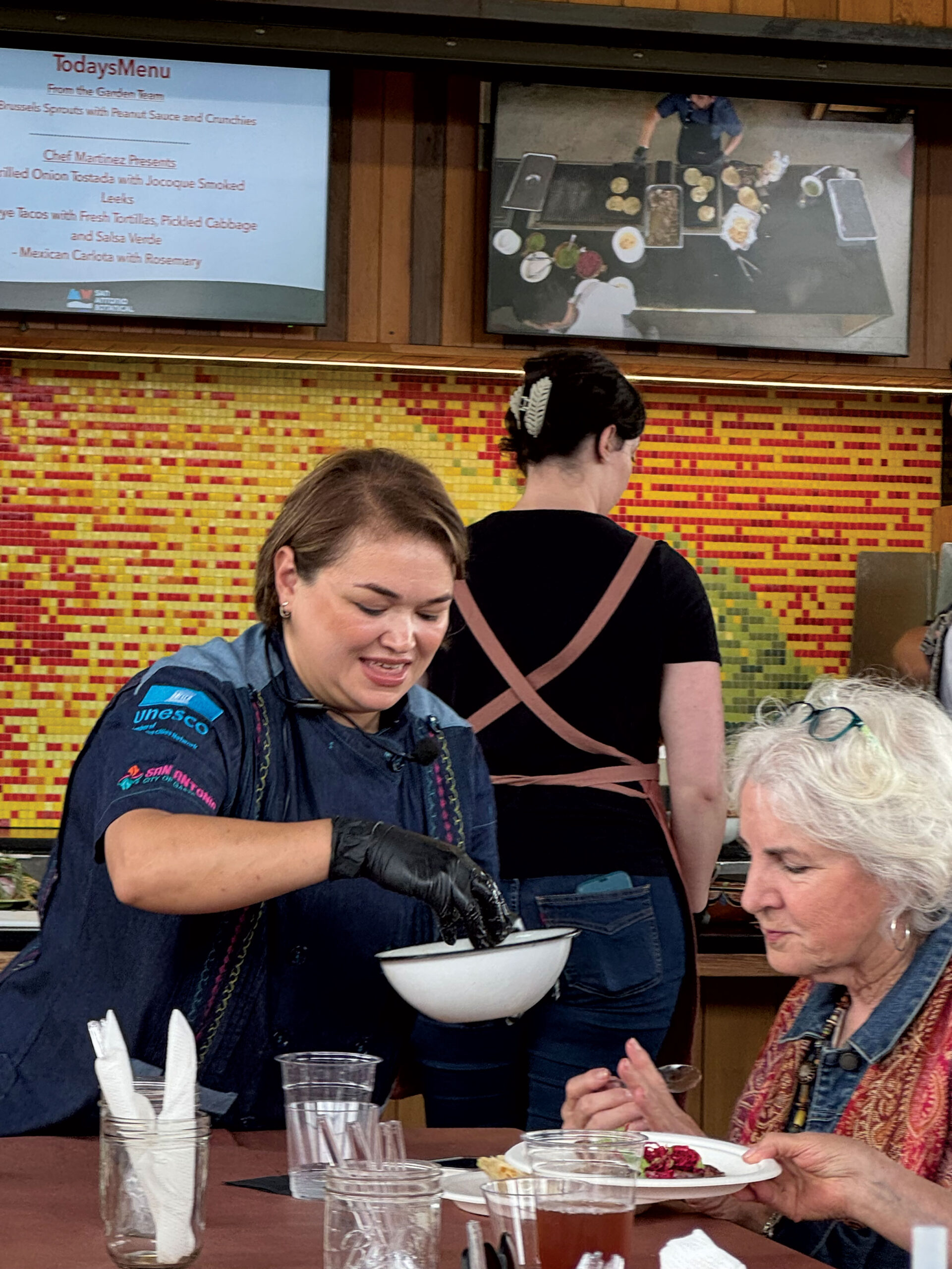
Chef Lizzeth Martinez believes food has always been more than something we eat. It’s about identity and a connection to the people and places that help define us. Having grown up in Mexico, where UNESCO’s cultural designations are taught in schools and deeply respected, being selected as one of San Antonio’s UNESCO Chef Ambassadors was an extraordinary honor. It became even more meaningful when she traveled to the UNESCO Creative City of Macao in March 2026 to represent the Alamo City at the 2026 International Cities of Gastronomy Fest, Macao, where she shared the flavors of San Antonio’s Mexican cuisine with thousands of people from around the world.
“When you create, it’s an obligation — as parents, as chefs and as a community — to create a new generation of food lovers, of food warriors,” said Lizzeth, co-owner of NACO Mexican Eatery. “If you don’t open their palate when they’re young, then we don’t create humans that value the work and ethic behind the industry.”
Over 10 days, Lizzeth and her small team, including her partner/husband Francisco Zuriel Estrada, served cochinita pibil (achiote-marinated pulled pork) to more than 4,000 guests — many of whom had never tasted an authentic taco before. Armed with heirloom corn from Oaxaca, tortillas prepared in San Antonio and freeze-dried green salsa, she wasn’t simply feeding people — she was introducing them to a culture most had never experienced before.
“I would do it again gladly,” she said. “Not only are you sharing your passion for your culture, you get to meet amazing people from all around the world. You’re working 14-hour shifts together and it creates camaraderie you can’t find anywhere else.”
Among the festival’s more than 175 booths representing numerous culinary traditions, Lizzeth found herself equally inspired by everyone around her. She still talks about the handmade dan dan noodles stretched fresh before her eyes and the remarkable generosity of chefs eager to exchange recipes, techniques and stories. “I absolutely love that the whole idea is to expand your network and learn as much as you can from other people who are on your same path but have different experiences,” she noted.
Yet one moment continues to stay with her above all the others — when a young Mexican soccer player living in Macao approached her booth after hearing there were tacos at the festival. Skeptical that they could possibly taste like home, he took one bite and immediately burst into tears. “He said, ‘It tastes just like my mom’s,'” remembered Lizzeth. “That was the moment. That’s why food is so important, because you can travel time and space with just a taste. You can create new memories or go back in time with it.”
For Lizzeth, those moments reinforce why programs like UNESCO matter. Every exchange broadens perspectives, encourages curiosity and reminds people that unfamiliar food often becomes the first step toward understanding unfamiliar cultures. “I really think there’s a big opportunity to broaden people’s minds through food,” she explained. “You don’t need to like everything. You just need to accept it and be open to trying it.”
When Lizzeth returned home, she brought back more than memories. She returned with new friendships, fresh culinary inspiration and an even deeper appreciation for our city’s own rich food heritage. After all, every taco she served in Macao represented far more than a meal. It shared the flavors of San Antonio, the heart of her culture and created memories that lingered long after the last bite.
 Chef Jaime Gonzalez, Wok Wey
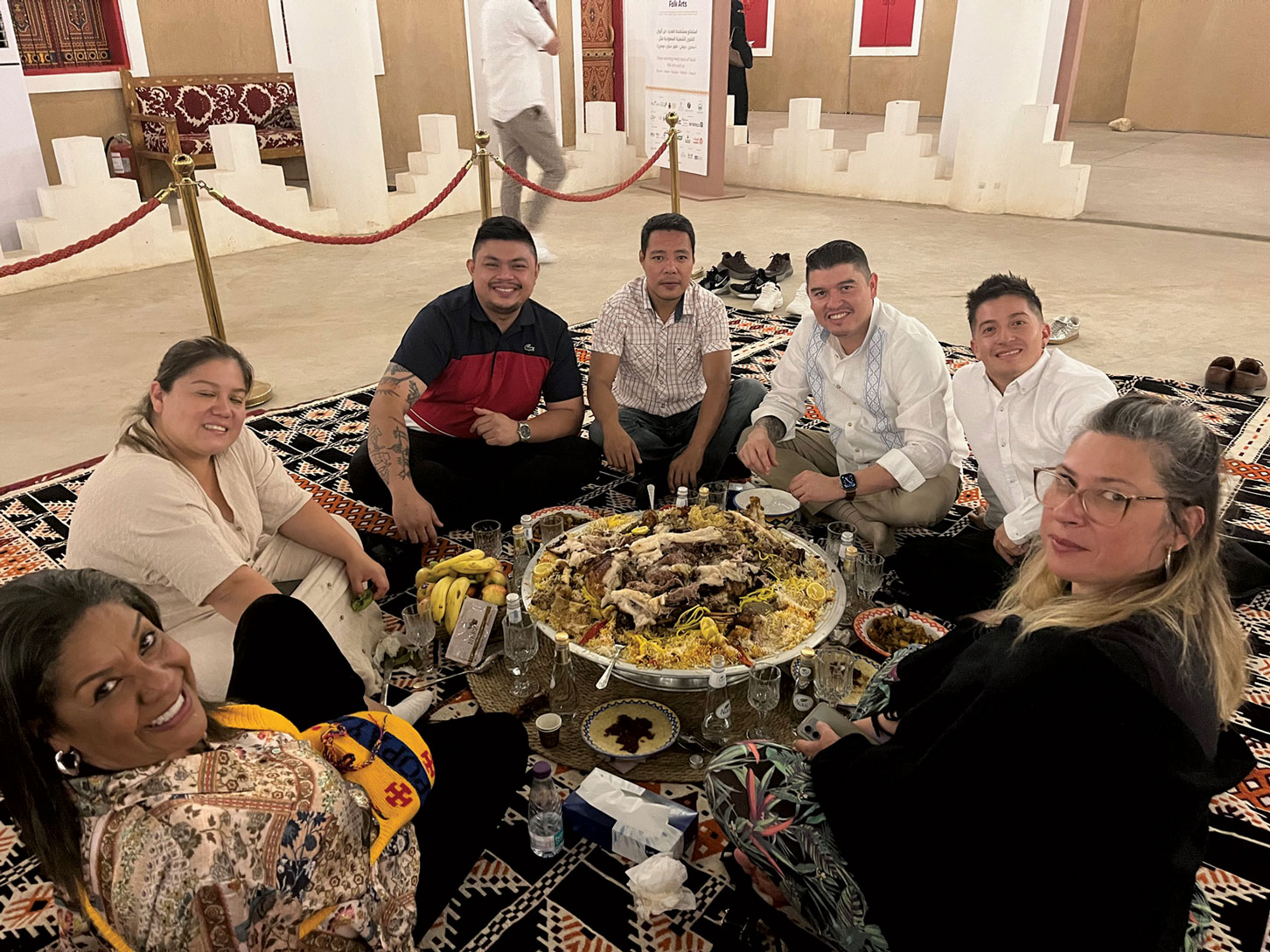
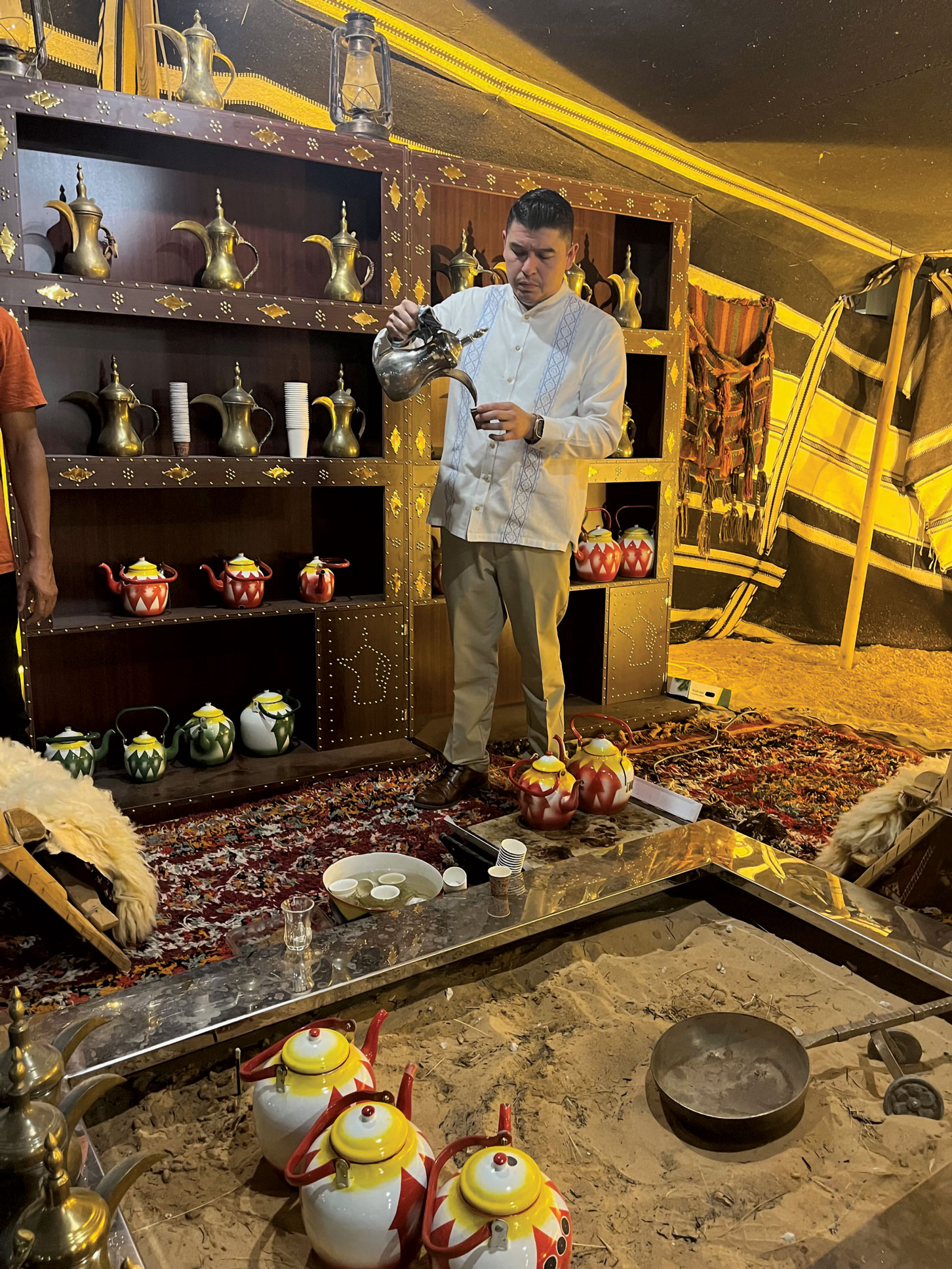
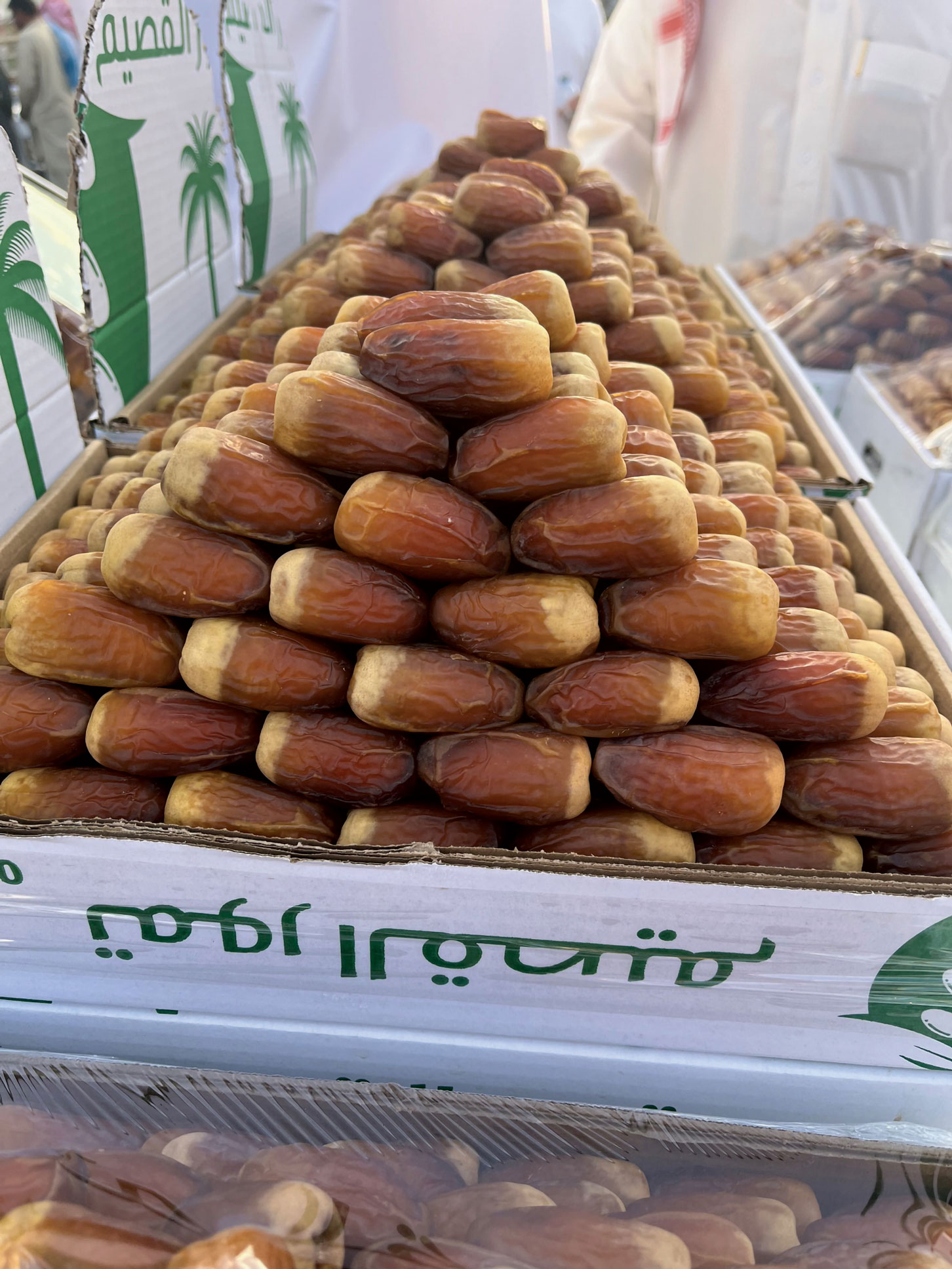
When Chef Jaime Gonzalez traveled to Saudi Arabia in 2024 as part of San Antonio’s UNESCO Creative City of Gastronomy program, he expected to discover a new cuisine. What he didn’t expect was to gain a deeper understanding of a culture, its traditions and the people who proudly carry them forward. “I never thought I’d go to that side of the world,” mused Jaime, owner of Wok Wey, currently located inside El Camino. “But the culture is what got me the most. They were beautiful people. They were so welcoming and so proud of what they have.”
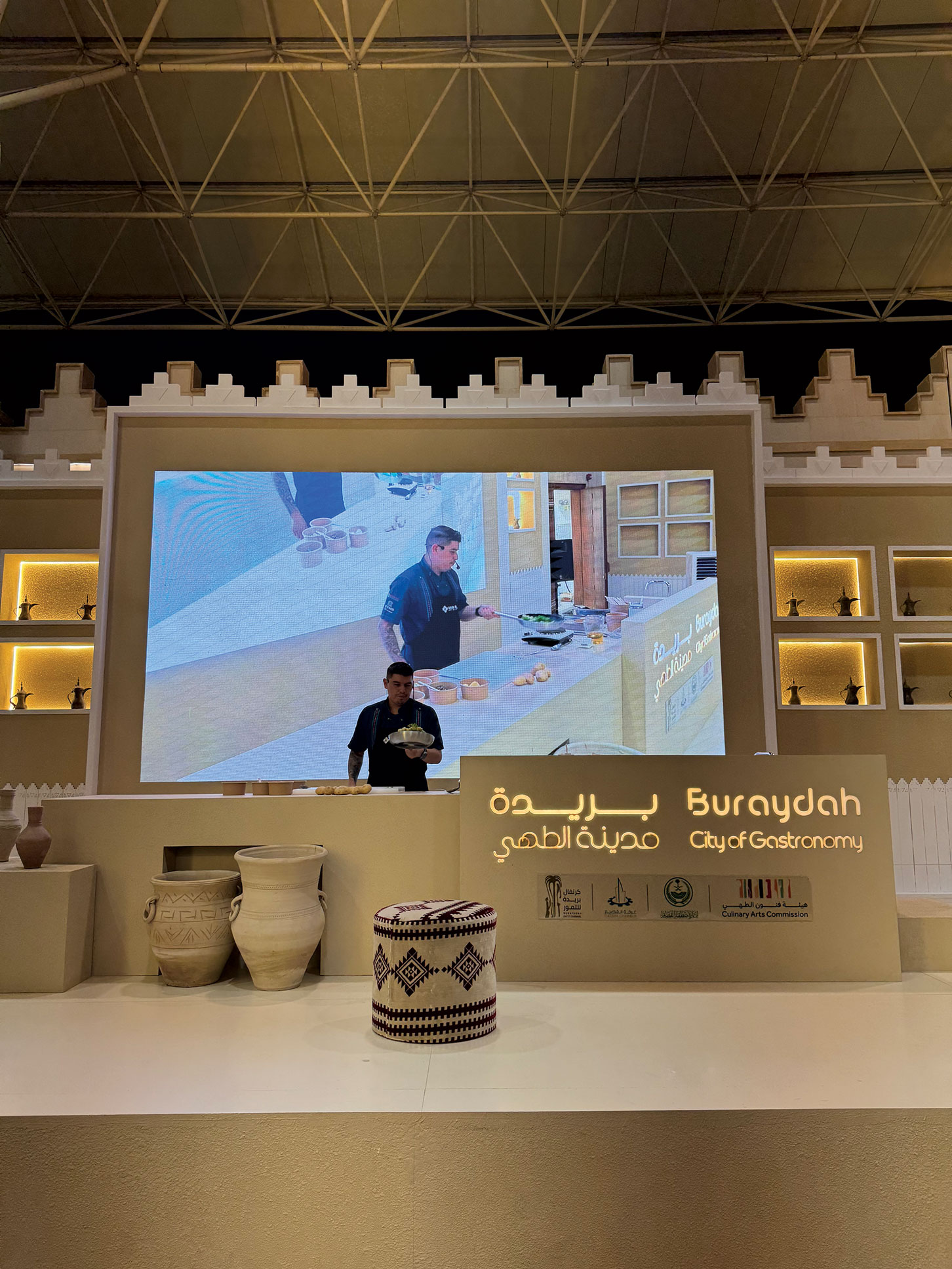
Jaime was invited to represent San Antonio at a date festival in Buraydah, Saudi Arabia, a city recognized for its rich history of date cultivation. As a chef known for blending cultures through his food, he embraced the challenge of creating dishes that honored both his hometown and the flavors of his host country. “I only knew about the Medjool date,” he admitted. “I didn’t know there were over 50 different varieties.”
The experience transformed his understanding of the ancient yet humble fruit. During the festival, Jaime incorporated dates into San Antonio-inspired dishes, including a breakfast taco featuring potatoes, eggs and a unique salsa macha made with Texas pecans and the local dates provided for him.
“When I got there and saw all these different ones, I got to try so many, I was ‘dated’ out,” he joked. “There were ones that tasted like caramel. The fresh ones were like a cross between an apple and a pear. It was amazing.”
For Jaime, the most meaningful part of the journey wasn’t simply discovering new ingredients. It was realizing how food creates a doorway into a new understanding. “I got to really be present to where I was. I got to understand the culture, the tradition and the religion all in one place,” he shared.
That openness extended to the kitchen, where Jaime represented San Antonio alongside chefs from around the world. As the only representative from the United States, he quickly saw how food could break down barriers. His booth drew long lines of visitors eager to experience San Antonio’s renowned tacos. The response was so overwhelming that, according to Colleen, they had to do line control because they were such a big hit. “We also had to show people how to tilt their heads to eat a taco,” she laughed.
Those experiences are exactly why Jaime believes San Antonio’s UNESCO designation matters. For him, preserving culture isn’t about looking backward — it’s about making sure traditions continue to evolve and inspire future generations. “It’s important to me because we need to keep our culture alive as a city. It’s our jobs as chefs to keep it alive and talked about. Otherwise, it will be forgotten,” he added.
That mission is reflected in his own cooking. Through Wok Wey, Jaime combines his Hispanic roots with his love of Chinese cuisine, creating dishes that celebrate both traditions. “Tacos are always going to win,” he laughed. “But I know I can provide a different culture of food.”
For Jaime, every plate tells a story — and every cultural exchange adds another chapter. It’s clear he’s hoping to visit Saudi Arabia again, reconnect with new friends and maybe even ride another camel.
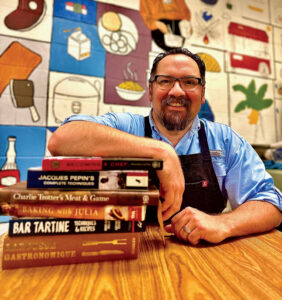 Chef John Tamez, Culinary Educator at St. Philip’s College
Chef John Tamez stated clearly that representing San Antonio is about far more than food. It’s about honoring generations of family, preserving culture, and sharing the story of a city that has shaped his life.
As a sixth-generation San Antonian, his connection to the city runs deep. “My ancestors walked this land, farmed this land, and built their lives here,” he said. “To represent San Antonio, our culture and our heritage on an international stage means more to me than I can really put into words.”
That deep-rooted connection, paired with 15 years as a culinary educator, made him a natural choice to represent San Antonio abroad. Teaching has required him to take complex culinary concepts and transform them into engaging lessons, a skill that translates naturally into introducing visitors to the city’s rich food culture. More importantly, he believes every conversation is an opportunity to show that San Antonio’s cuisine is rooted in history, family and generations of cultural exchange.
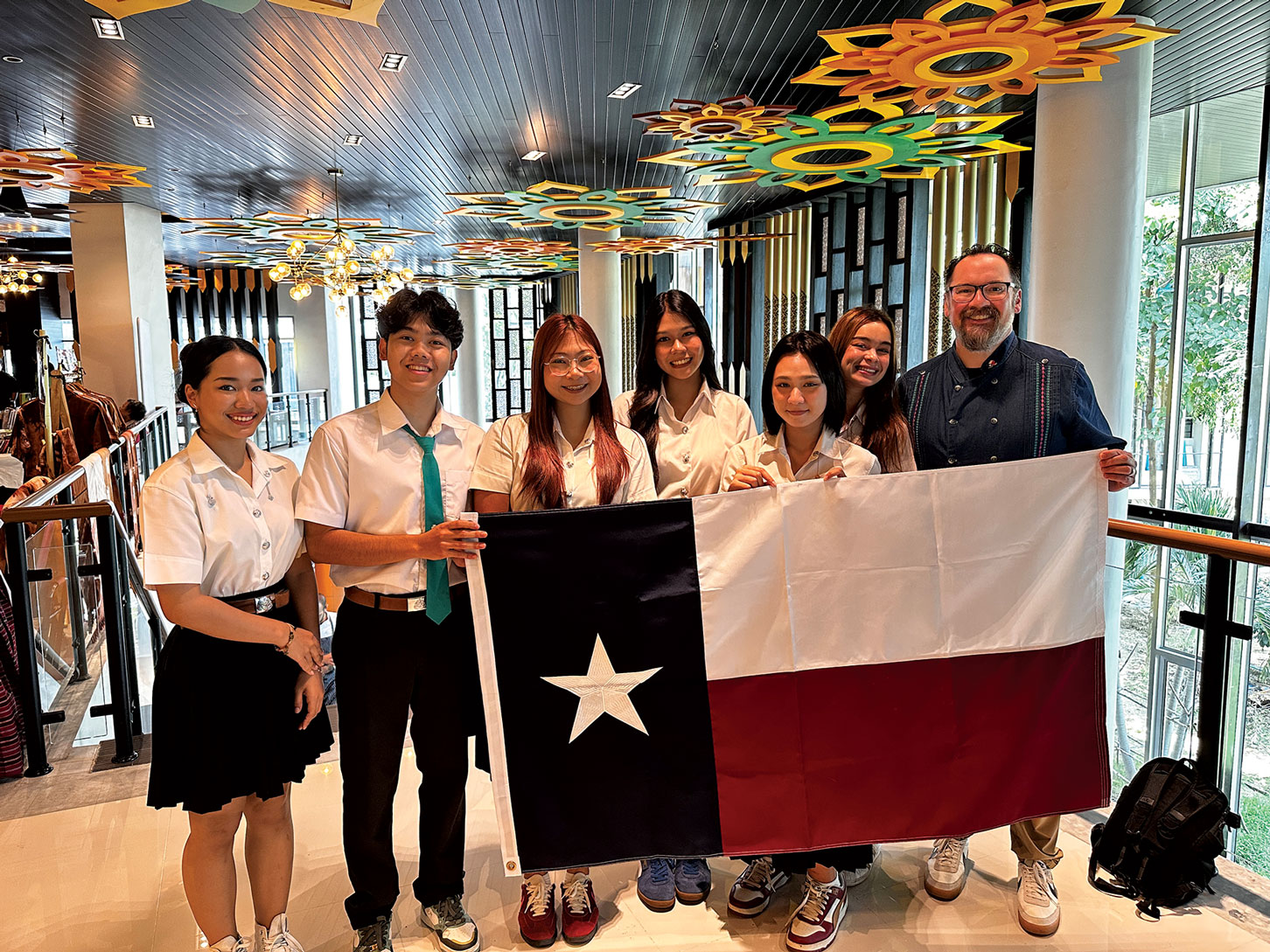
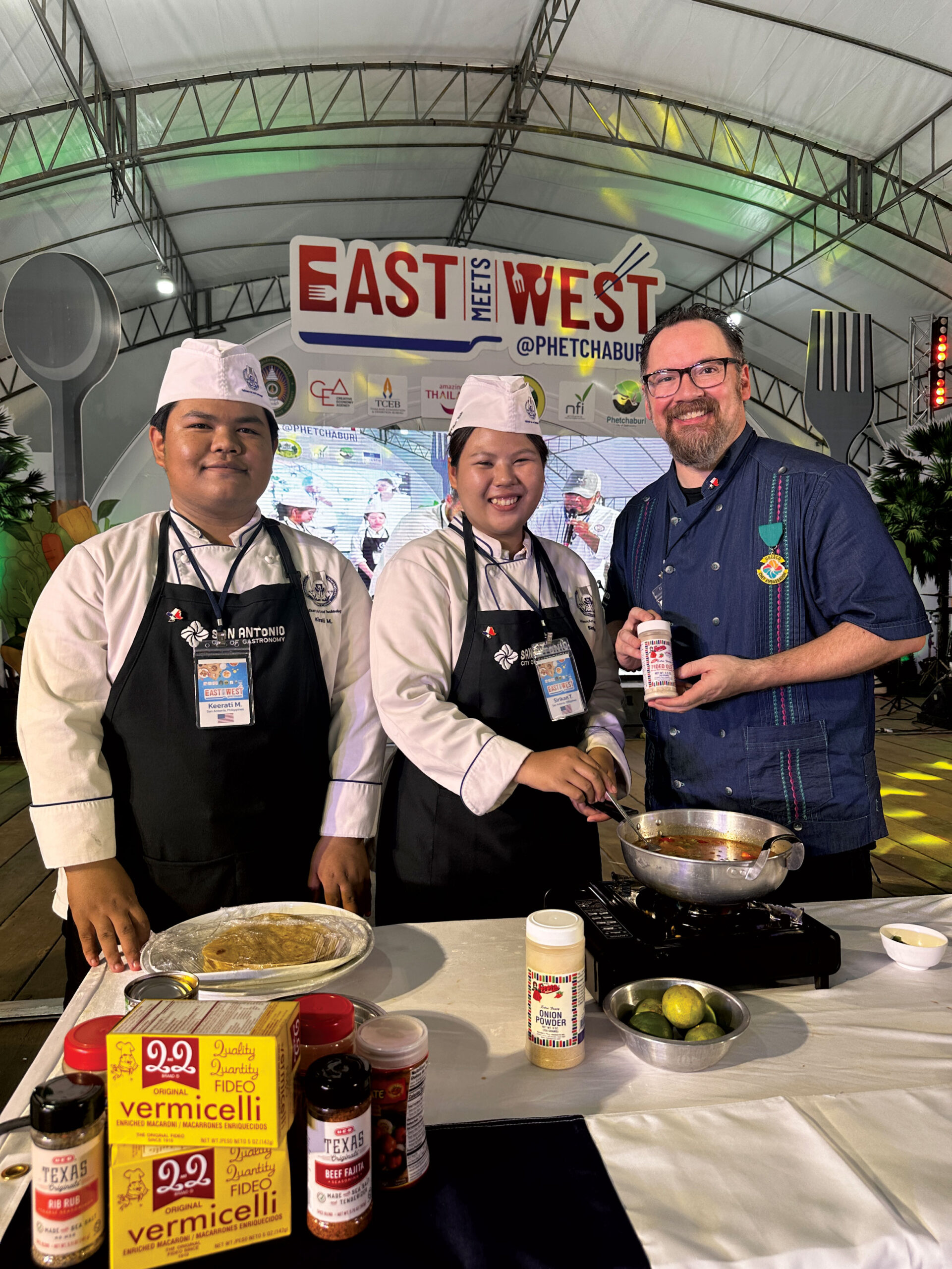
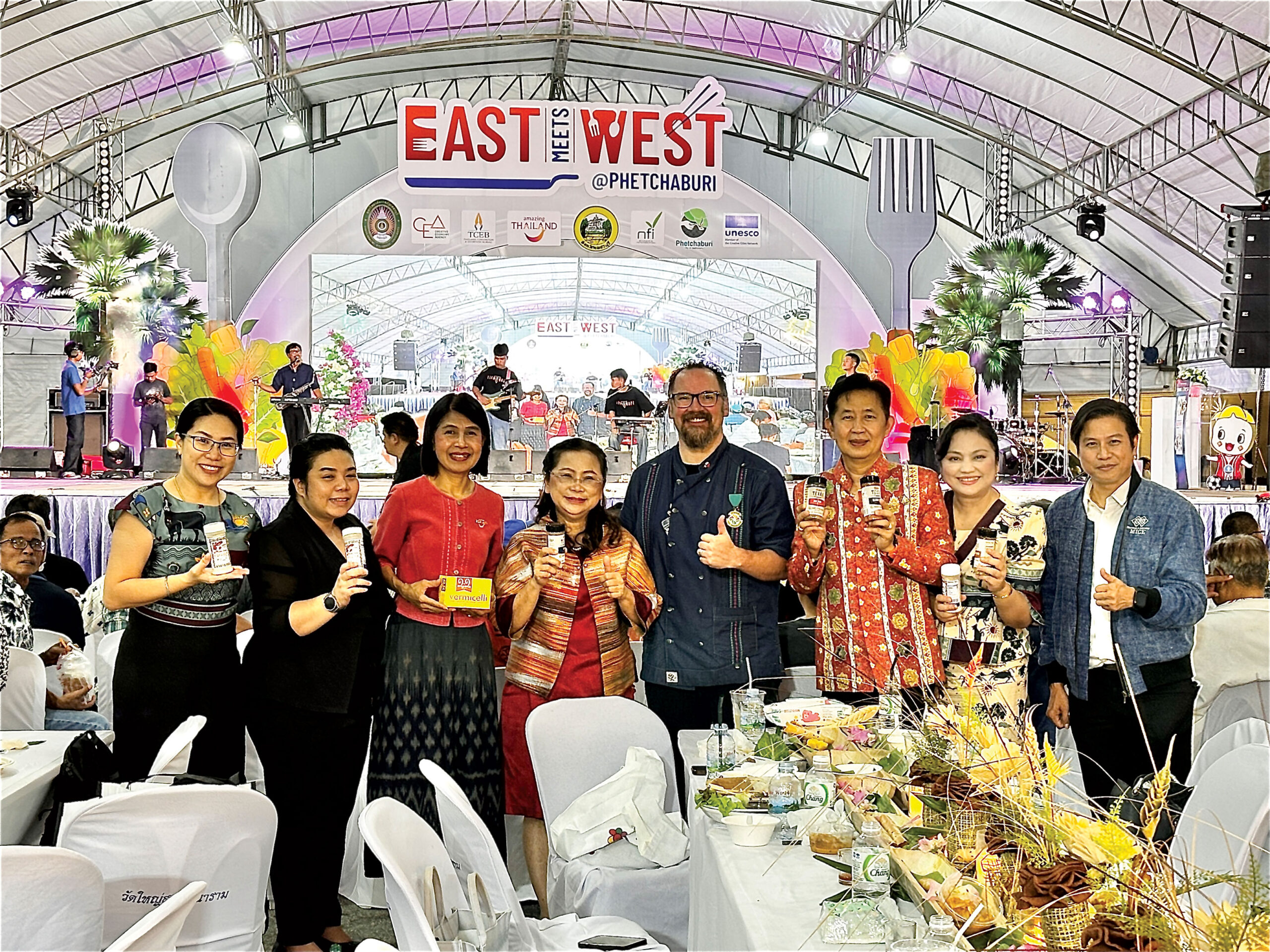
During a recent cultural exchange in Phetchaburi, Thailand for the 2025 International Food Festival “East Meets West,” he represented San Antonio with a dish that embodies those values: Fideo Loco. While humble in its ingredients, the dish tells the story of countless Mexican American families whose recipes have been passed from one generation to the next.
The experience also revealed unexpected similarities between the two communities. Phetchaburi is known as the “City of Three Flavors” for its celebrated limes, salt and palm sugar — ingredients that define much of the region’s cuisine. Inspired by those flavors, he incorporated all three into his Fideo Loco, creating a culinary connection between Thailand and South Texas. The response was overwhelmingly positive, with chefs and residents alike drawn not only to the flavors but also to the story behind the dish. Even a gift of H-E-B flour tortillas became a memorable cultural exchange, as many visitors were tasting them for the very first time.
While he traveled to Thailand to share San Antonio’s story, he returned with valuable lessons of his own. “What amazed me,” John said, “was how much they celebrated simple ingredients.” In Phetchaburi, everyday staples are treated with extraordinary respect because they represent the land, the people who produce them and generations of tradition. “My experience in Phetchaburi reminded me that every great food city has a soul. Their cuisine is built around their local ingredients, their history and the pride their community has in preserving those traditions. San Antonio is no different,” he shared.
Those experiences have strengthened the philosophy he brings into his classroom. Raised on Mexican and Tex-Mex traditions, he learned early that recipes are more than instructions — they’re family history. Later, friendships with people from diverse backgrounds, along with learning about his wife’s Filipino heritage, expanded his appreciation for the ways food preserves culture and connects generations.
That belief shapes the way he teaches. While knife skills, sauces and cooking techniques are essential, he believes understanding the history behind a dish is equally important. He encourages students to document treasured family recipes and record relatives preparing traditional meals before those memories disappear. “I ask them, ‘When was the last time you recorded your grandmother making tortillas or your dad making menudo?'” he said. “Those recipes are part of who we are.”
His decision to become an educator was driven by a desire to strengthen San Antonio’s culinary community from the ground up. Since becoming the first culinary instructor hired at The Art Institute in 2010, he has taught thousands of students. For him, success isn’t measured by what happens in the classroom, but by watching former students build meaningful careers years later.
Representing San Antonio, he says, is never about one individual. John explained, “I see San Antonio as a city with a unique voice in the global culinary scene. We are not trying to imitate anyone else — we have our own story to tell. From handmade tortillas and tamales to barbacoa, breakfast tacos and the evolution of Tex-Mex, our food represents resilience, creativity and the blending of cultures. The world is beginning to recognize what we have known for generations: San Antonio’s food is connected to our identity. And our future chefs need to understand where our food comes from so they can carry that legacy forward.”
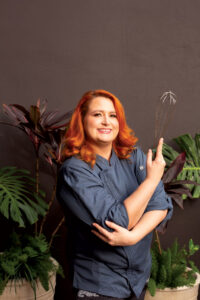 Chef Stephannie Beyers, Mexico Ceaty
For Chef Stephannie Beyers, food has always been a bridge between cultures. As Venue Master Baker at Mexico Ceaty, where she oversees the bakery and tortilla programs across nine concepts, she has built her career around honoring tradition while finding new ways to tell culinary stories. That same passion led her to become one of San Antonio’s UNESCO Creative City of Gastronomy Ambassadors for the 2025-2027 cohort.
Stephannie first learned about San Antonio’s UNESCO designation while working with the Por Vida program, an initiative supporting local food businesses. She realized many San Antonians were likely unaware their own city carried the prestigious designation. “It’s a worldwide organization, and in Mexico it’s a big thing. When I learned San Antonio was involved, I thought it was such a good opportunity to put San Antonio on the map. I feel like Mexico and San Antonio have a lot in common,” she offered.
Becoming an ambassador was no small accomplishment. Applicants must demonstrate community involvement, sustainable practices and a commitment to preserving and promoting culture. “It was amazing because it wasn’t easy,” she said. “They have a lot of checklists. You have to be involved with the community and have experience promoting the culture.”
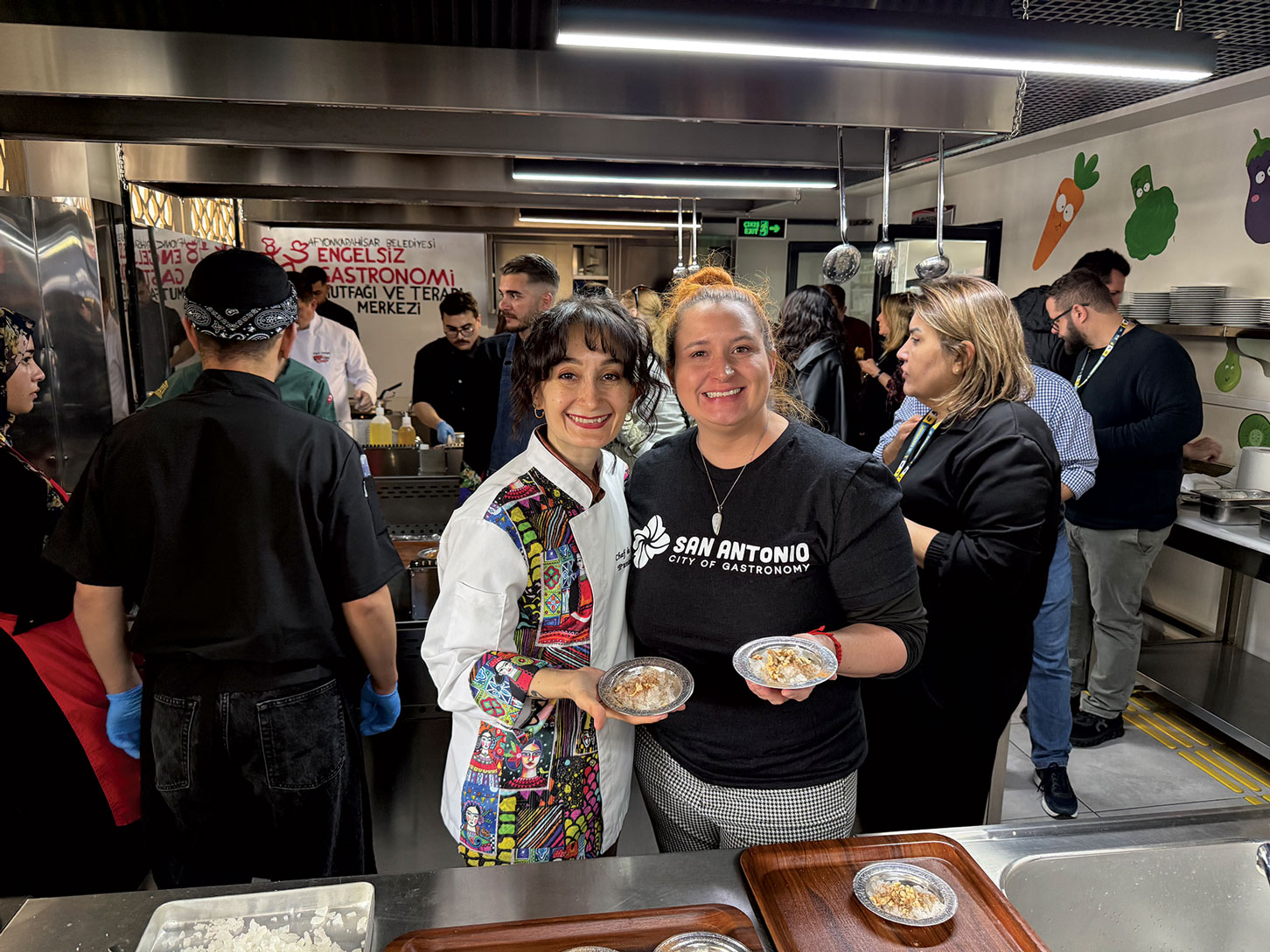
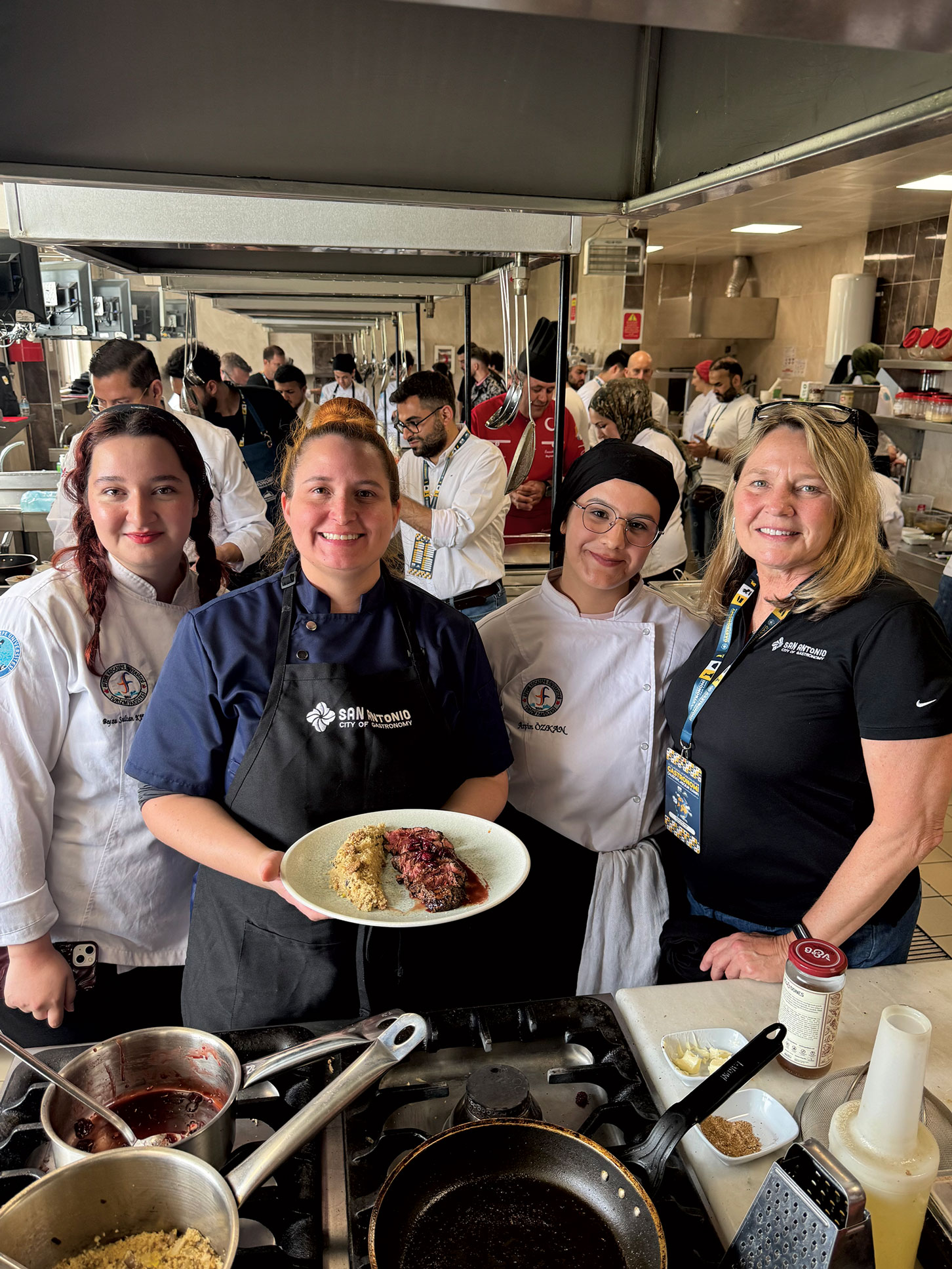
Her first international exchange took her to Afyonkarahisar, Turkey in May 2026, where she joined chefs from around the world for a multi-day cultural and culinary experience. The trip included restaurant tours, cooking demonstrations, visits to UNESCO heritage sites and time with culinary students. One of her most memorable discoveries was the surprising connection between Turkish and Mexican cuisine. “I found out how many things Turkish culture has in common with Mexican culture, and that blew my mind. They use a metate to grind things just like we do for corn and chocolate, but they use it to make dough,” she said.
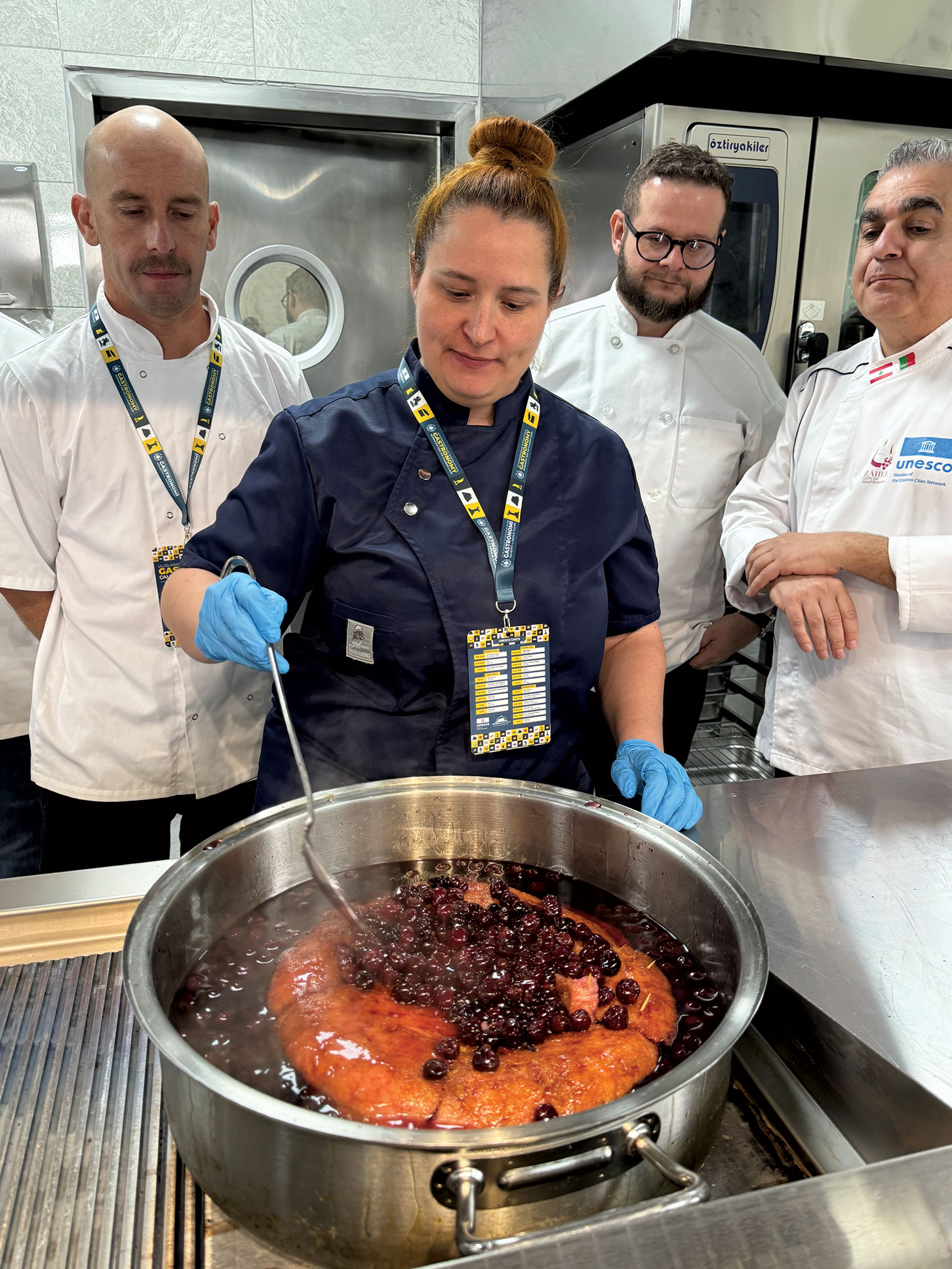
During the visit, Stephannie also discovered new ways to think about sustainability through Turkey’s traditional desserts. One dish featured old bread soaked in cherry syrup and topped with cream, transforming an ingredient that might otherwise be discarded into something memorable. “The bread absorbs the cherry syrup until it becomes almost cake-like, creating a dessert somewhere between bread pudding and tres leches,” she described. “It’s really sweet, but with the cream and sourness, it makes the perfect balance.”
Beyond the food itself, Beyers says the greatest gift of the program has been the relationships created across borders. Chefs she met abroad have continued exchanging recipes, techniques and ideas long after returning home. “We share recipes and tips. It’s like a little community that just starts to build,” she said.
Stephannie learned that community is the heart of UNESCO’s mission. The experiences don’t simply stay overseas — they return home through new dishes, new perspectives and a deeper appreciation of all cultures. “I think this kind of program gives us the experience to learn other cultures more easily,” she shared. “It opens that door in a more direct way.”
And perhaps that’s the true gift of these culinary exchanges: once the door opens, the world becomes a little smaller, a little more connected and infinitely more delicious.