More Than Exhibitions
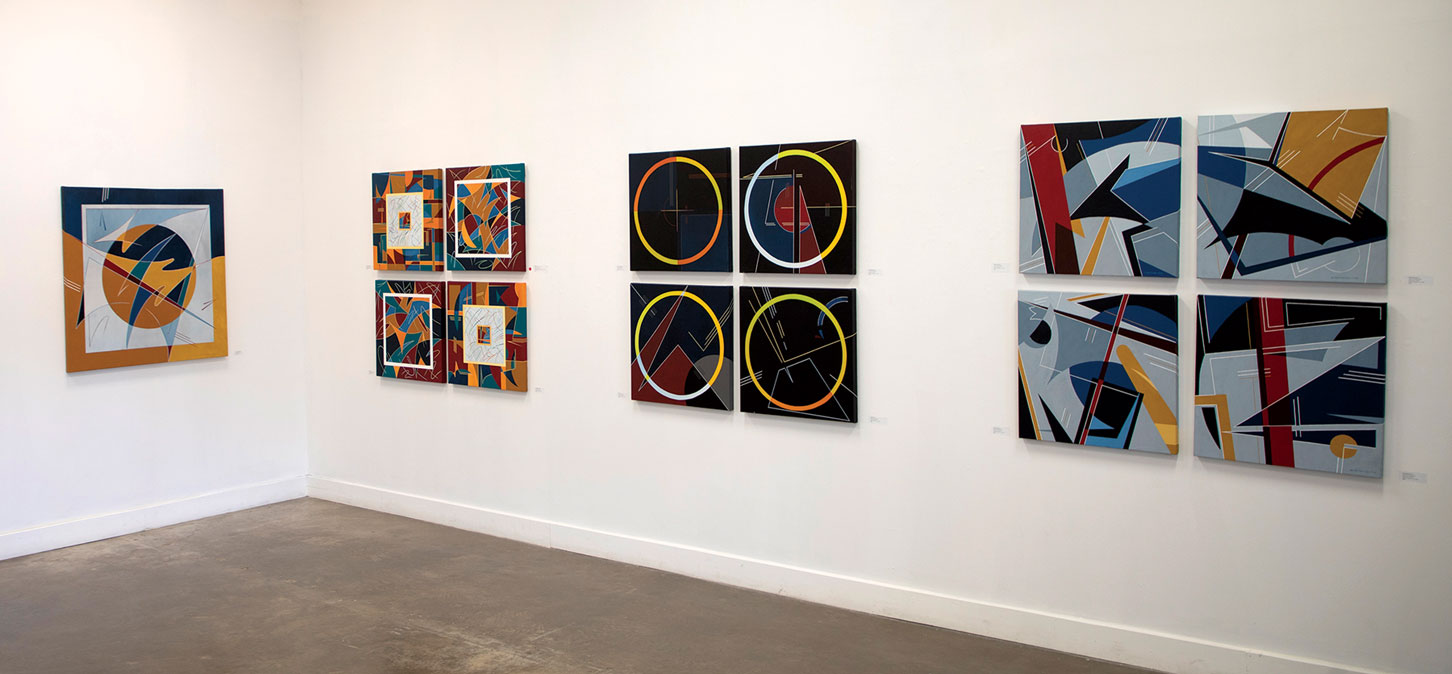
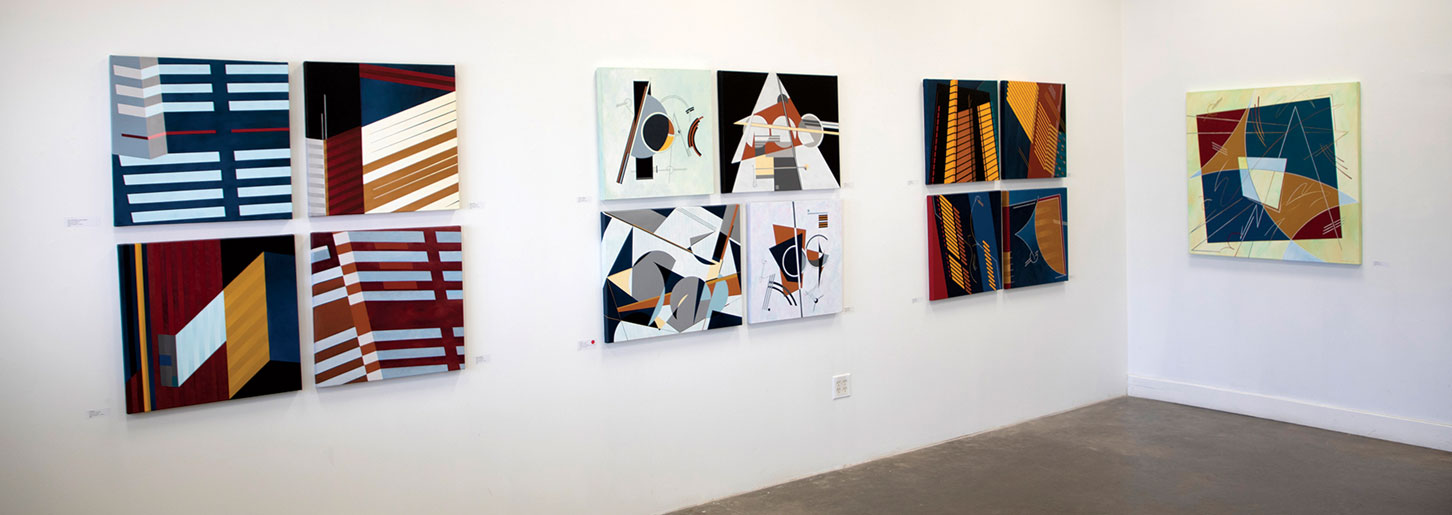
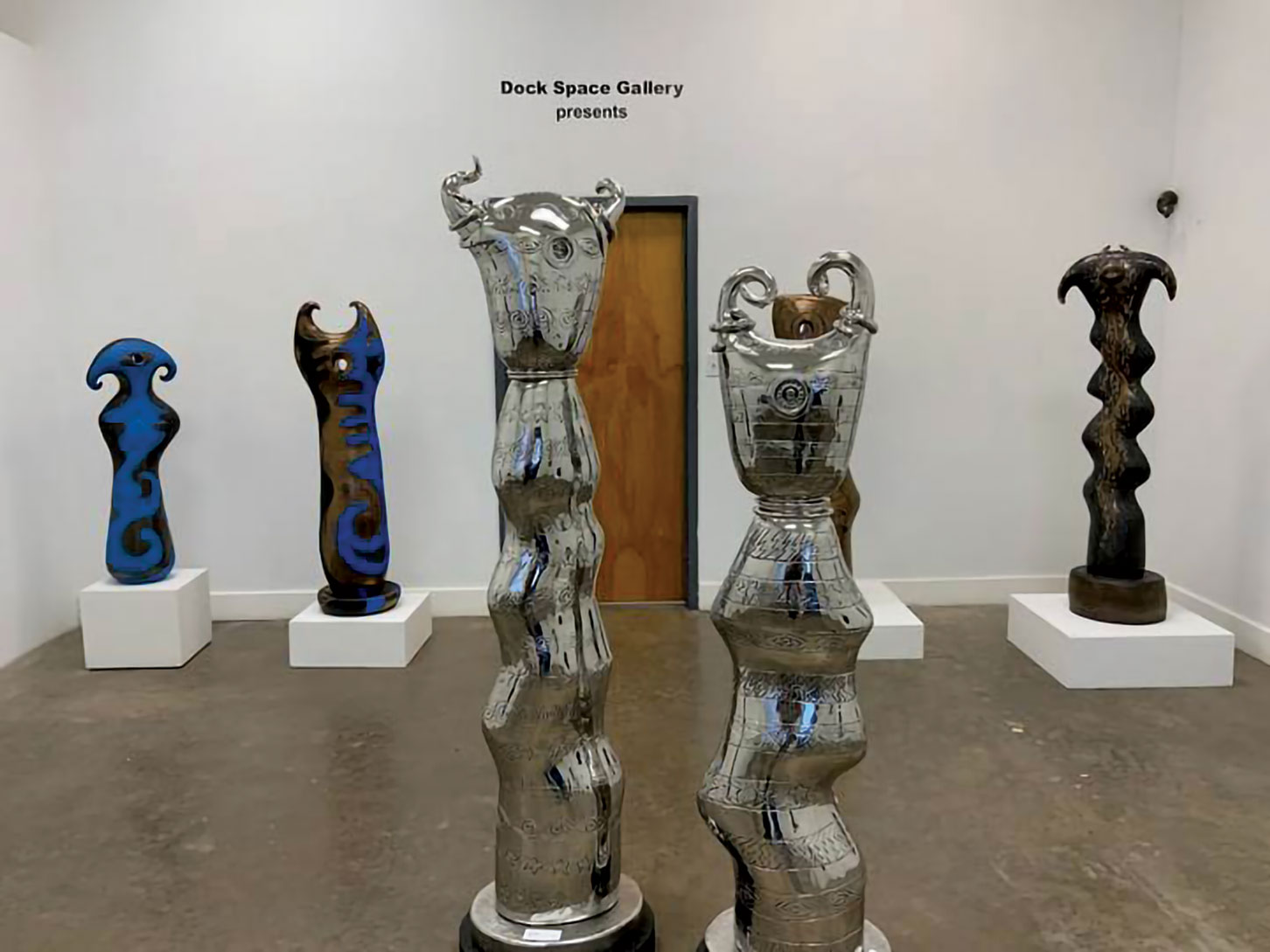
Second Saturday continues every month, with galleries such as Dock Space Gallery, Studio 111, Lone Star Studios and 1906 opening their doors, typically from 6:00 to 9:00pm, while some venues remain open even later. But the district brings much more than a monthly event.
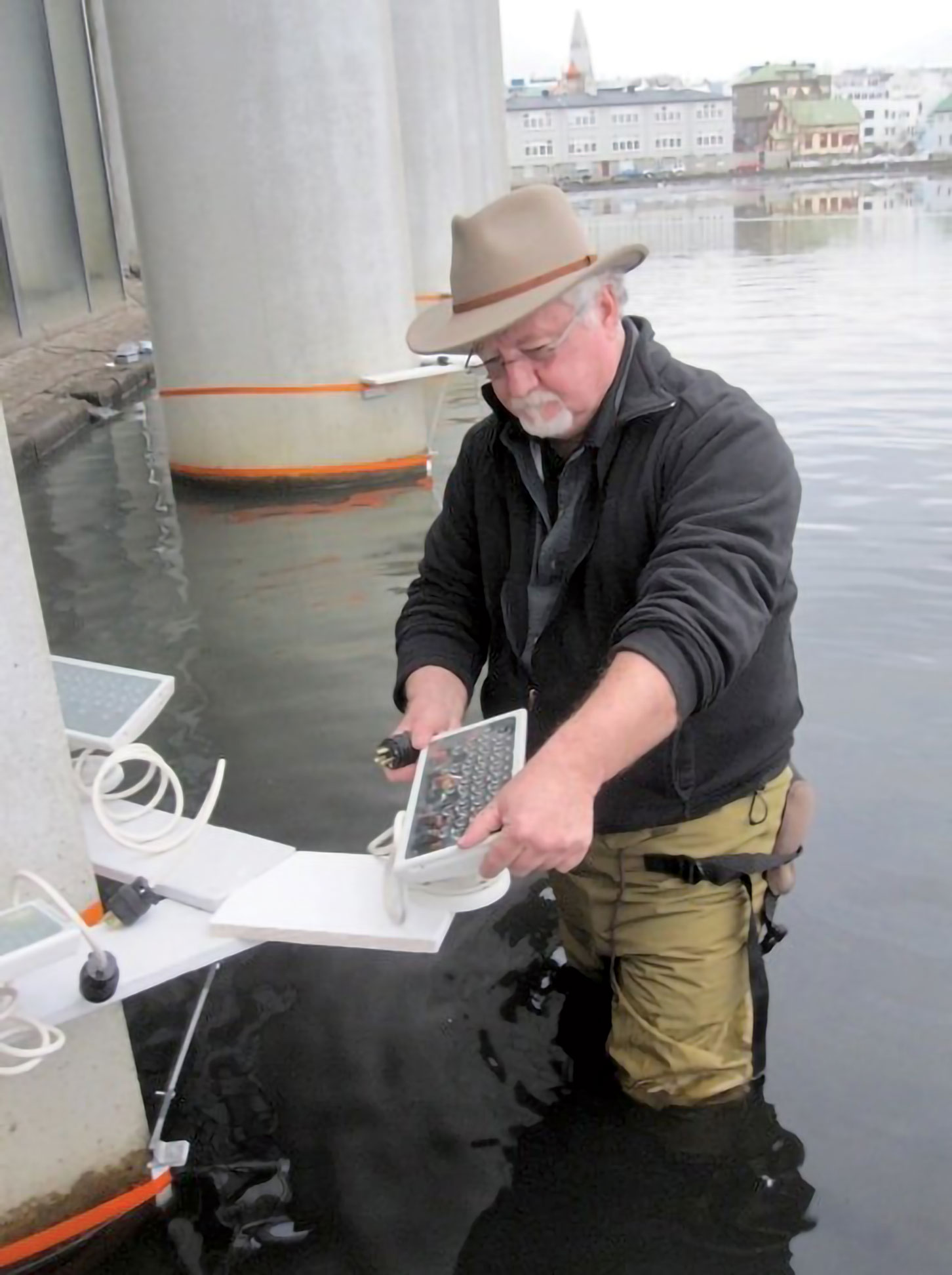
“Bill FitzGibbons, who is an internationally recognized artist with light installations in five countries and throughout the United States, is a major influence in the San Antonio art scene. He has kindly dedicated two areas of his studio as galleries to promote visual arts, offering exhibits to both experienced and upcoming artists in San Antonio and throughout Texas. Bill has given opportunities to many deserving individuals and works with art students in the city giving them invaluable experience,” shared Hollander.
FitzGibbons has made mentoring emerging artists a central part of his work, regularly hosting interns from local universities as well as students from the North East School of the Arts (NESA). While colleges excel at teaching technical disciplines like ceramics, printmaking, woodworking and metalworking, they rarely teach public art. “That’s what my interns are learning,” he said.
FitzGibbons also believes many students leave school without understanding other essential aspects of becoming an artist, and his advice extends beyond technical skills. “I tell young artists that 50 percent of being an artist is talent. The other 50 percent is networking.”
He remembers one particularly gifted but introverted high school student who planned to attend college close to home. “I told him he couldn’t do that,” FitzGibbons said. “You have to go to openings. You have to meet people, even if you’re introverted.” The student took the advice, earned a substantial scholarship to the Art Institute of Chicago and returned with renewed confidence, expanded opportunities and a broader perspective on his career — and a beautiful girlfriend.
A Creative Identity for San Antonio
In the early years, convincing artists and businesses to invest in the neighborhood wasn’t easy. Yet affordable real estate made it possible for artists to establish long-term roots. “When we first moved here, the neighborhood had some issues, like drug dealers,” FitzGibbons said candidly. “The good news was the property values were so low.”
As galleries multiplied and artists claimed former industrial buildings, the neighborhood began to change. “Whenever you have art and galleries in a section of the city, it becomes the hip place to go to,” he said. “But it impacts economics.” The challenge, of course, is ensuring artists remain after the neighborhood becomes desirable. It’s why ownership mattered in the beginning and why it still matters today.
Second Saturday regularly showcases emerging local talent alongside established Texas artists and even international guests. “San Antonio has a really good statewide and national opportunity to express its visual artists community,” FitzGibbons said.
More than two decades after its founding, visitors experience not only galleries but also a thriving corridor of locally owned restaurants, studios and creative businesses along Lone Star Blvd., illustrating how cultural investment can reshape an entire neighborhood without losing its artistic identity.