The Future of Arts Funding

in San Antonio

By:

“Art creates culture. Culture creates community. And community creates humanity.” - Susan Magsamen and Ivy Ross, from the book Your Brain on Art The arts in San Antonio are at a crossroads. Rising costs, shifting philanthropic priorities and evolving community expectations are reshaping how visual and performing arts organizations survive, grow and serve the public.

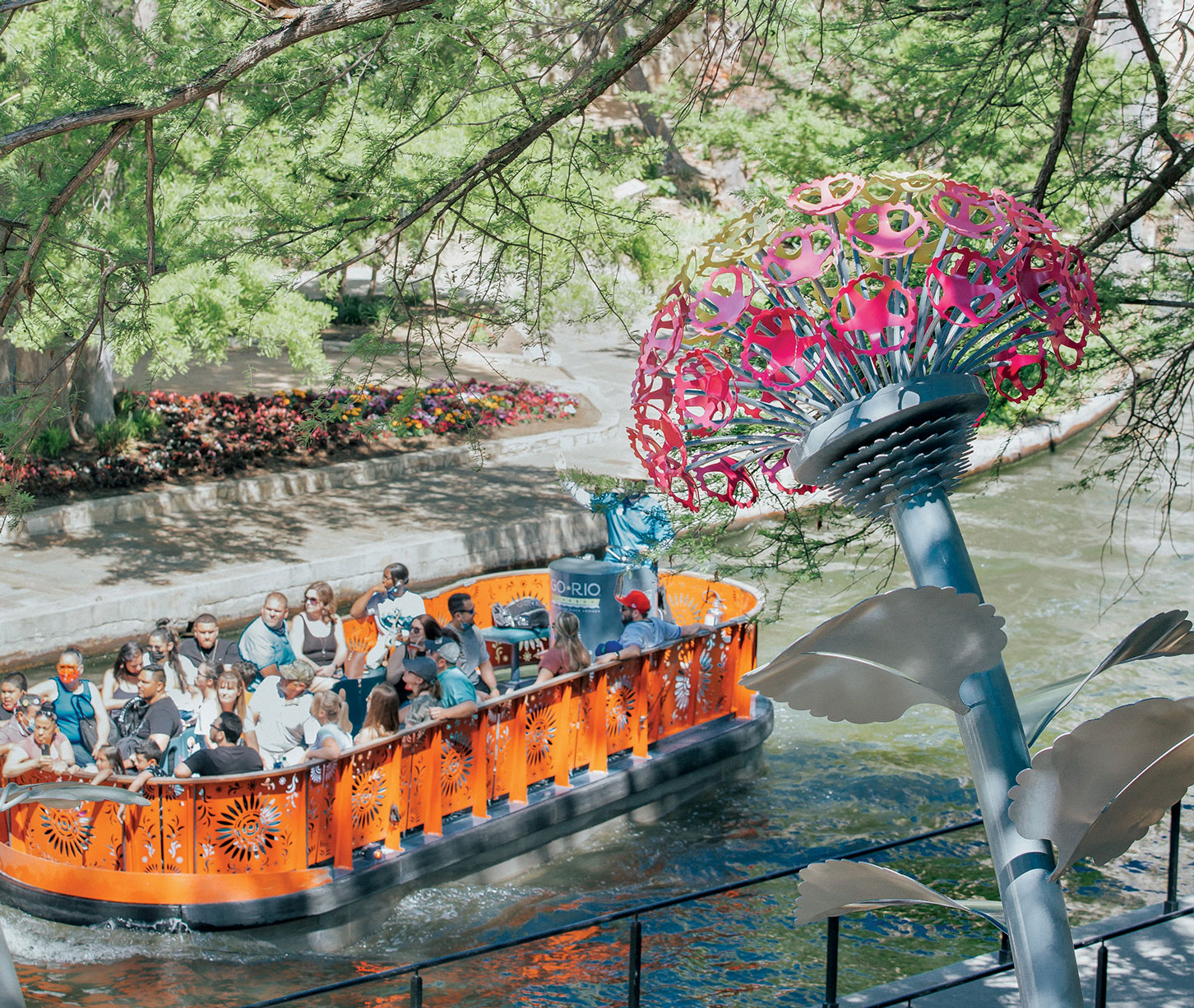
Stargazer (Citlali) by Artist Pedro Reyes. River Walk Public Art Garden. Courtesy of the City of San Antonio Department of Arts & Culture

In 2023, an economic impact study showed that the city’s creative industry generated a total economic output of $5.18 billion, an impressive post-COVID economic recovery in creative industries. The study highlights the industry’s resilience, showing a strong recovery following the challenges of 2020. Employment in the creative industry grew by 2.5% in 2023 from the previous year, with museums and collections experiencing the highest growth rate at 6.7%. 

However, as federal funds to support the arts decrease and the current economy leaves little extra for people to contribute via donations or by attending performances, many local arts organizations are seeing difficulties in maintaining the budgets they need to provide the services the community deserves. The City of San Antonio’s Department of Arts & Culture remains a crucial supporter, but its budget is dependent on the Hotel Occupancy Tax revenue, so when tourism dips, so does funding. And even larger arts organizations are having to rethink their strategies.

The Current State of Arts Funding in San Antonio
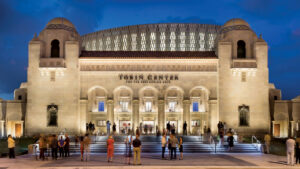
Tobin Center for the Performing Arts

“Arts funding right now is stretched. Demand is growing, costs are rising and organizations are being asked to do more than ever before,” said Jaselyn Blanchard, Executive Director of The Majestic Empire Foundation, which serves as the nonprofit steward of the historic Majestic and Empire Theatres, overseeing their preservation, restoration and long-term sustainability. Funds are raised though a unique public-private partnership with ATG Entertainment, which manages booking, ticketing and day-to-day operations through a commercial model driven by touring productions and ticket sales. “Our funding is intentionally diversified: philanthropy, corporate sponsorships, grants and earned revenue, with partnership rent from ATG accounting for roughly 15% of the Foundation’s budget.”

Another local performing arts entity is meeting fundraising goals, but according to Renee Garvens, Vice President of Development for The Tobin Center and Tobin Entertainment, it has not been easy, and over the past year they’ve had to work twice as hard to acquire the funds they need. “With 18% of residents living in poverty in San Antonio, the arts often fall to the bottom of the priority list for generous people in our community who have the discretionary income to give to nonprofits,” she said. 

With ticket sales down for performing arts events nationwide due to an unpredictable economy, the Tobin has worked hard to connect to arts supporters to ensure the fiscal well-being of the organization. “Being transparent with our supporters about the importance of their donations and telling the story of our work in education and our commitment to ensuring the arts are accessible has been critical to maintaining support during this challenging time,” said Garvens.

In Blanchard’s opinion, funding the arts today is less about sustaining institutions and more about investing in outcomes. Things like who the organizations are reaching, what skills they are building and what pathways they are creating. “What’s important to understand is that our funding doesn’t primarily support the shows — it supports what happens because of them,” she said. “We invest in education, access and workforce development programs — including the Joci Awards — that reach thousands of students across San Antonio and South Texas each year.”

The Role of the Arts Has Expanded, but Funding Has Not 

Majestic Theatre. By Mike Hume.

Education and community outreach are at the core of most local arts organizations, so during tough financial times, it’s the community that suffers when funds are low. “The arts are not just about performance; they’re about participation, skill-building and economic impact,” explained Blanchard. “We see it every day in our programs: students developing confidence, communication skills and technical training that translate directly into college and careers.”

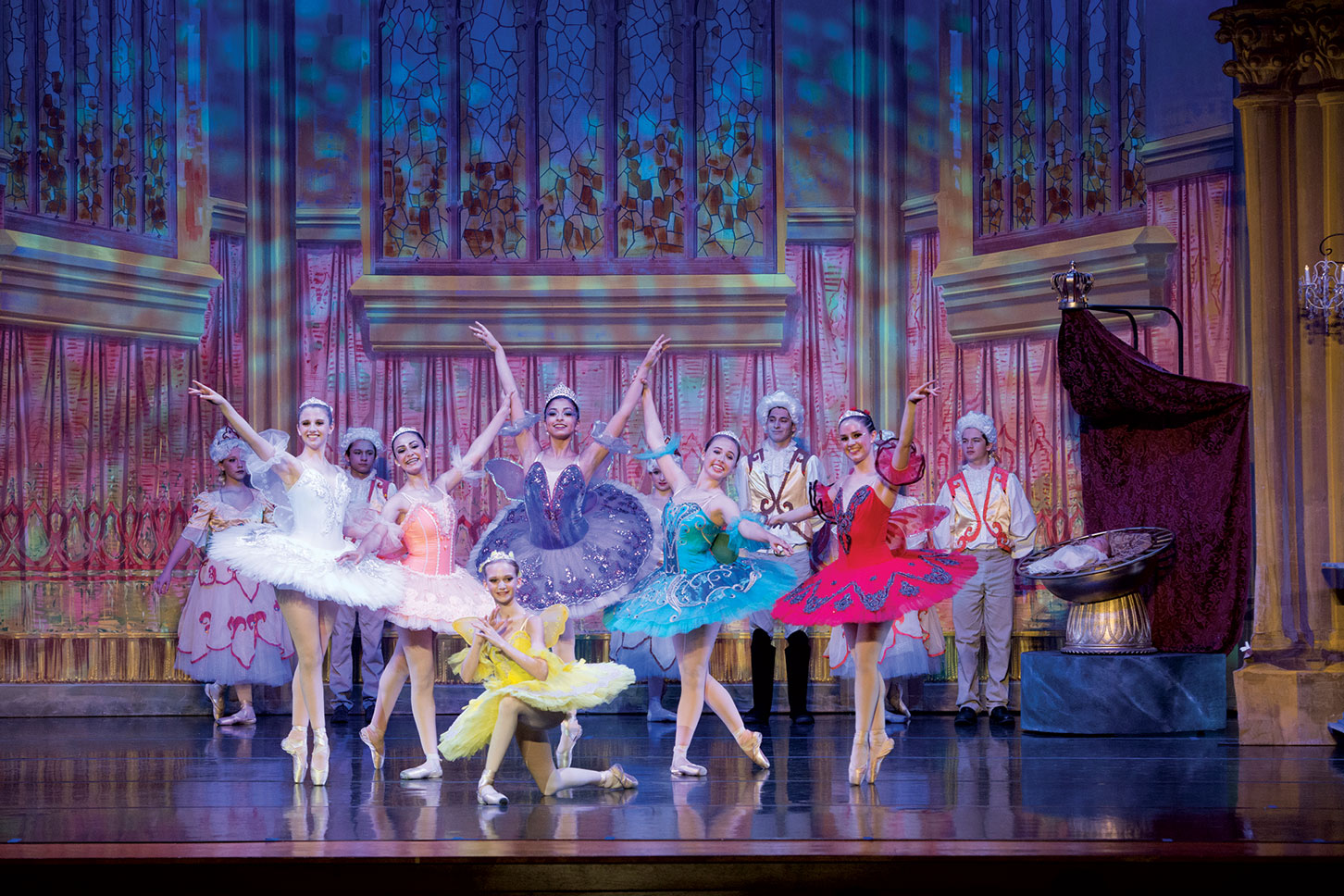
For smaller nonprofits, this touches even closer. The Children’s Ballet of San Antonio (CBSA) is a 501(c)(3) nonprofit professional-level company that bridges the gap between training and a professional career for local youth whose funding comes from three primary pillars: individual contributions, program service revenue (ticket sales and tuition) and private and public grants. 

“For over 10 years, we have remained a resilient organization, but meeting 100% of our financial needs continues to be an ongoing challenge,” said Vanessa Bessler, Founder and Artistic Director of CBSA. “Like many small arts organizations in San Antonio, we face rising production costs — from venue rentals and special effects expenses to artistic and administrative staffing — while competing for donor support and limited grant funding.” 

Bessler continued, “We function as a professional ballet company for young artists, offering them the opportunity to perform in historic venues like the Majestic Theatre. This professional environment cultivates discipline, resilience and confidence — skills that empower our dancers to lead creative and impactful lives. Patrons from all over the San Antonio region, including our underserved communities, experience these vibrant performances designed to also inspire them to enjoy and support the arts. These collaborative arts experiences foster a strong sense of community where children of all abilities can excel and build friendships with children from all over the greater San Antonio area.”


Historically, CBSA’s revenue has been approximately 20% individual contributions, 40% ticket sales, 20% production fees and 20% grants. Bessler said the financial pressure has been gradual and systemic, rather than sudden. “We are still recovering from the long-term effects of COVID, and even when our overall revenue appears stable, the landscape has shifted. It is increasingly difficult to attract and retain new supporters in an uncertain economic climate.”

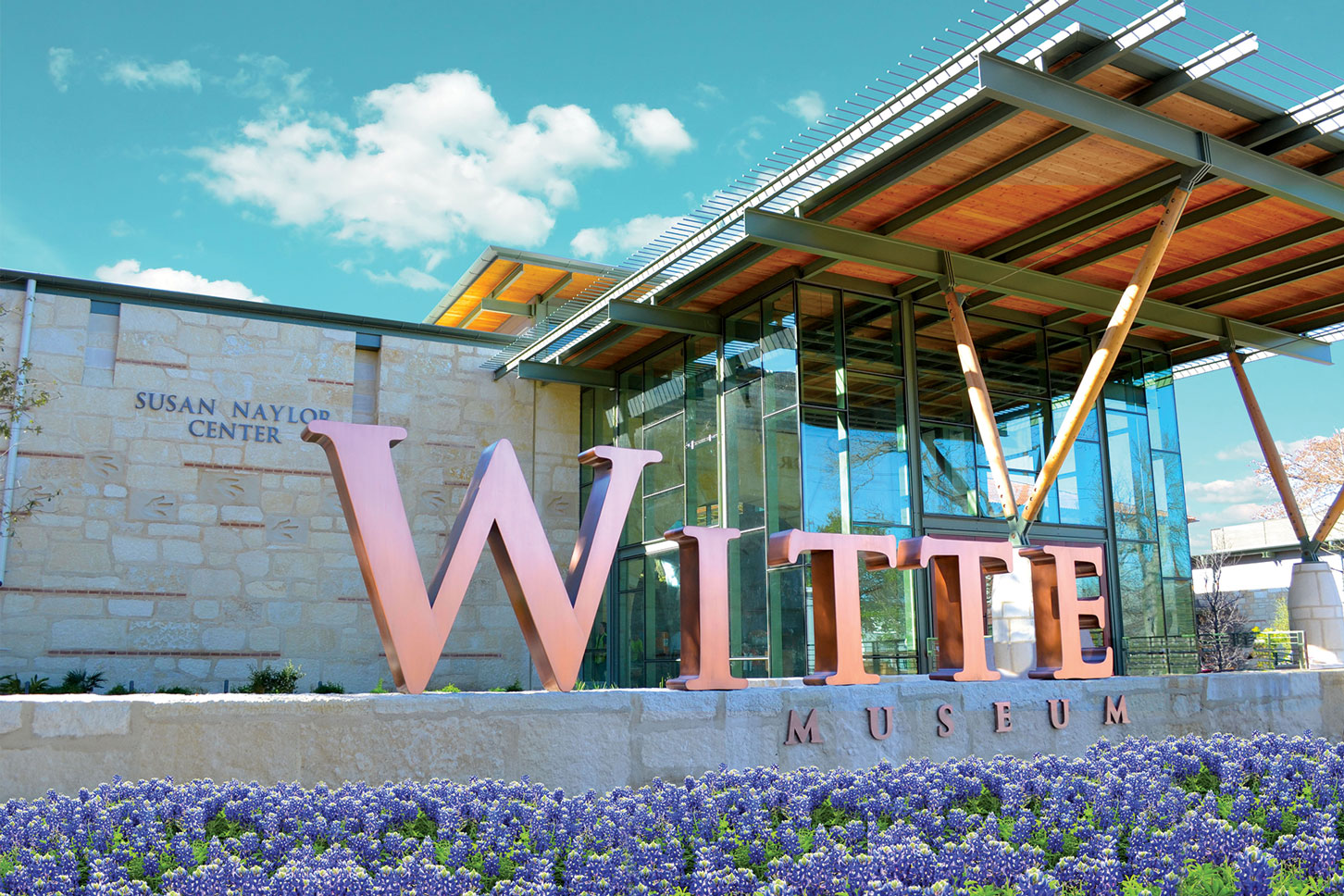
And it’s not just the performing arts that are struggling. Even one of San Antonio’s most important cultural institutions is seeing an impact and the need to diversify its sources of income. “The funding environment for arts and cultural institutions has become more complex in recent years,” said Katye Brought, Vice President of Communications and Marketing for the Witte Museum. “Public investment, philanthropy and earned revenue all remain essential, but no single source is sufficient on its own. Institutions are increasingly recognizing the importance of building diversified and sustainable funding models while continuing to prioritize accessibility and community impact.”

As funding models continue to evolve across the museum sector, institutions are increasingly recognizing the importance of diversified revenue and long-term sustainability. At the Witte, that means balancing philanthropy, memberships, sponsorships, grants, admissions and other earned revenue sources in ways that support both current programming and future growth.

In San Antonio, the arts matter for many reasons. According to Blanchard, San Antonio has something that can’t be manufactured: alignment. “There’s a shared belief across philanthropy, corporate partners and the community that the arts matter — not just culturally, but economically and educationally,” she said. “That shows up in real ways: strong institutional support, innovative partnerships that activate historic spaces like the Majestic, and an audience base that consistently engages. It’s a city where the arts are both preserved and actively put to work.”

Another challenge arts institutions face is significantly more competition for foundation grants, requiring organizations to write more requests to maintain the funding they need to avoid cuts in education and community engagement programs. Larger organizations have no access to city funding for the arts, and there are few opportunities for other government funding at the State and Federal levels. That’s why it’s extremely important to these organizations to engage with the community as donors, beneficiaries and participants. “We depend greatly on the loyalty of our most ardent donors, regardless of their level of giving,” said Garvens. 

“San Antonio continues to be an incredibly generous community, and we are fortunate to have individuals, foundations and corporate partners who understand the importance of investing in arts and culture,” said Brought. “As the nonprofit and cultural sectors continue to grow, many philanthropists are balancing support across a wide range of important community needs. That reality makes collaboration and shared community impact even more important moving forward.”

The arts are important to maintaining a thriving community. Through initiatives like their Title I Schools program and partnerships with charitable organizations, CBSA provides access to world-class performances for thousands of children who might otherwise never experience the magic of live theatre. “We believe the arts should be accessible to everyone in Bexar County without barriers,” Bessler said.

Sharing that commitment with donors is critical to every organization’s fundraising efforts. “Every opportunity to connect with donors and prospects may not lead to an immediate gift, but follow-ups are very important to success,” said Garvens. “I think we must invest in our fundraising teams and provide professional development to the next generation of fundraisers who show enthusiasm for those growth opportunities.”

A strong connection with the community has been crucial in San Antonio’s development as an important hub for culture and art. Institutions like the Witte Museum have enriched the lives of local families for generations and remain relevant as cultural pillars of the community.

“As the Witte celebrates its 100th birthday, one of the most meaningful things we hear from supporters is how deeply personal the museum is to their family story,” said Brought. “Many of our donors and members visited the Witte as children and now bring their own children and grandchildren. They remember specific exhibitions, school visits and family traditions that shaped their curiosity and connection to nature, science and culture.”

Brought mentioned that there’s a growing demand for immersive, high-quality exhibitions that connect local audiences to broader global conversations in science, history and culture. “As one of only approximately 3% of museums nationwide accredited by the American Alliance of Museums, the Witte is uniquely positioned within the region to host large-scale traveling exhibitions developed in partnership with leading institutions around the world. These exhibitions bring world-class educational experiences and the latest research and discoveries to South Texas audiences while also contributing to tourism and the regional economy.”

Brought also points to significant shifts in philanthropy as younger generations engage differently than previous generations. “Many newer donors prioritize transparency, measurable impact, flexibility and mission alignment. That creates opportunities for arts and culture organizations to build more accessible and relationship-driven approaches to engagement and giving.”

Involving the community as volunteers also helps these organizations cut costs and build engagement. For instance, the Tobin fundraising team has activated a group of volunteers to assist in stewarding donors who give smaller amounts, which allows the staff more time to maintain relationships with loyal donors while building new relationships with potential donors. “Every donation is critical to the mission, and having a team of volunteers to assist has been a game changer for our work,” said Garvens.

Looking Towards the Future of Arts Funding in San Antonio

The future of arts and cultural institutions will depend on the ability of organizations to remain adaptable, community-centered and financially diversified. Traditional funding models alone are no longer enough to support long-term sustainability, and many are responding by expanding earned revenue opportunities, strengthening partnerships and investing in more permanent funding strategies.

Organizations in the arts community are thinking beyond annual funding cycles and focusing on building strategic plans to increase grant funding for long-term sustainability. To thrive in the future, small arts organizations must embrace collaboration, innovation and adaptability.

“The organizations that will succeed are the ones that can clearly connect their mission to measurable impact,” said Blanchard. “There is still strong support for the arts — but expectations are higher. It’s no longer enough to present great work, you must demonstrate real impact. That means diversifying revenue streams, building deeper corporate partnerships, and expanding access to reach broader and more diverse communities. It also means being able to articulate, clearly and consistently, why the work matters right now.”

With its rich cultural heritage, diverse communities and growing creative districts, San Antonio is well-positioned to become a national arts destination if it continues to invest in its cultural future.

Culinary Arts

The Psychology of Space

Rumi, the 13th century Persian poet, famously wrote, “Where there is ruin, there is hope for a treasure.” It’s a sentiment that feels especially resonant in a city like San Antonio, where the past isn’t simply preserved — it’s reimagined. While the spaces we’re about to explore are far from ruins, they share that same spirit of transformation. Through adaptive reuse, former functional and commercial spaces have been given new life.

Read More »
Performing Arts

Curtains Up

San Antonio’s performing arts scene is stepping into the 2026–27 season with more energy, ambition and creativity than ever. From bold new productions to beloved classics, the city’s leading arts organizations are rolling out lineups that showcase just how vibrant and diverse our cultural community has become. Whether you’re into symphony, theatre, dance, opera or something a little unexpected, this season promises fresh stories, unforgettable performances and plenty of reasons to spend more nights out soaking up the arts across the Alamo City.

Read More »
Editor's Letter

One-of-a-kind City

I started writing this letter in Pennsylvania while visiting my son and daughter-in-law. It was a lovely first time to visit, and as we were driving through the picturesque countryside — and checking Fallingwater off my Bucket List — I realized how magical first visits are. The ones that make you start planning your next visit right away. And another thing kept coming to mind: If I were visiting San Antonio for the very first time, I’d fall for it — fast. The colors, the sounds, the food, the warmth of the people, the way history and creativity sit side-by-side. It’s one of those cities that doesn’t try too hard; it just is charming. Whether you are a first-time visitor discovering our vibrant city or a local that knows all the best places to go, I hope you find that sense of wonder woven through this issue.

Read More »
Culture

Stars & Stripes on Houston Street

San Antonio’s Independence Day traditions are bigger, bolder and more spectacular — and Stars & Stripes on Houston Street is leading the charge, returning in 2026 as part of the city’s celebration of America’s 250th birthday.

Read More »
Culinary Arts

Chefs Unleashed

In San Antonio, the city’s culinary magic doesn’t always happen on a restaurant menu. Sometimes it unfolds in a dimly lit loft, a boutique hotel or a space tucked into St. Paul Square, where top local chefs take the reins and anything can happen. These underground dinners are intimate, unpredictable and utterly delicious — offering adventurous eaters a front-row seat to the creativity, personality and heart that makes our city’s food scene truly unforgettable.

Read More »
Visual Arts

Step Into The Stories

Downtown San Antonio is packed with museums and galleries that celebrate the city’s history, culture and creative spirit. From spaces that dig into the region’s roots to those highlighting the voices shaping San Antonio today, each spot offers its own way of telling the stories that make this community unique. Whether you’re into local history, art or just exploring the city, these hidden, and not-so-hidden gems, give you an easy, welcoming way to connect with what makes San Antonio special.

Read More »

Culinary Arts Listings