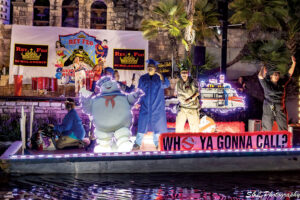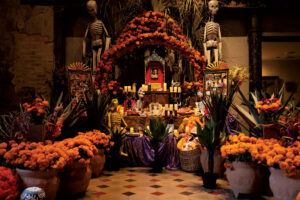

San Antonio has always been a city that celebrates itself with color, rhythm and a kind of joyful defiance. Fiesta rolls in every spring like a technicolor tornado, and the city becomes a living canvas — part parade, part performance, part communal heartbeat — all while scattering confetti in places you’ll still be finding in October. But beneath the confetti and cascarones lies a deeper story about how art and culture thrive here year-round — shaped by neighborhoods, nurtured by tradition and constantly reinvented by the people who call this place home.
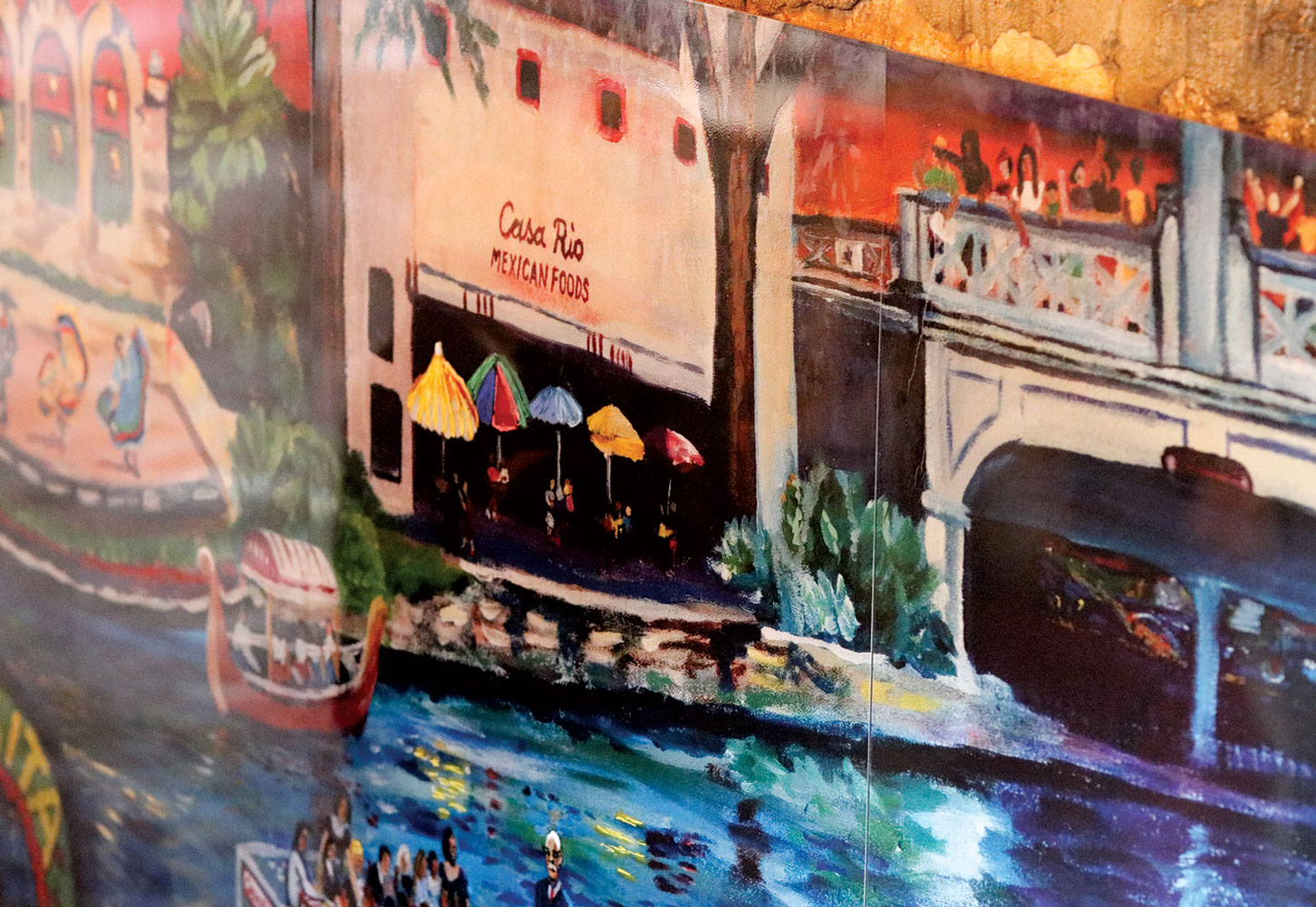
Walk into many downtown hotels and you’ll see it immediately: art isn’t an accessory; it’s part of the architecture. Local artists have turned hospitality spaces into galleries that never close. It’s a reminder that creativity here isn’t confined to museums; it’s embedded in the places where visitors first encounter the city’s soul.
Of course, none of this would exist without the neighborhoods that shaped the city’s creative DNA. The West Side gave us poets, storytellers and memory keepers. Southtown birthed a whole arts corridor out of sheer willpower and good taste. And the Historic Pearl District brought a fashionable and family-friendly melding of food, design and performance. These neighborhoods didn’t just host the arts — they incubated them. They gave artists room to experiment, and ultimately to create work that feels unmistakably tied to place.
And then there’s the music. While Fiesta’s folklórico rhythms and Broadway musicals usually get the spotlight, chamber music has quietly become one of the city’s most surprising cultural success stories. This isn’t a new trend — San Antonio groups have been established for decades, creating a fusion of musical genres and mixed-media presentations where music joins art, poetry and even cuisine. It’s definitely one of the coolest under-the-radar experiences to check out.
That same instinct-driven creativity is alive in the city’s kitchens. Local chefs and restaurateurs aren’t chasing trends; they’re trusting their gut. They’re listening to what their communities crave, leaning on years of personal and professional experience, and serving what feels right. The result is a culinary scene that is elevated and down-home, honest and delicious.
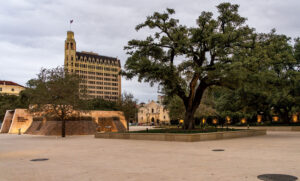
And as we celebrate the city’s present, it’s worth remembering our history. It’s been 190 years since the Battle of the Alamo, and big changes are underway to keep the story alive. One interesting lesser-known fact is that the Alamo complex was far larger and more intricate than what most visitors see today. Knowing that adds a whole new dimension to the story that the postcard version doesn’t tell.
So, as Fiesta takes over the streets again, I hope you feel the same thing I do: that San Antonio is a place where creativity isn’t just appreciated — it’s lived. In the artists transforming public spaces. In the musicians expanding the city’s soundscape. In the chefs cooking from the heart. In the neighborhoods that continue to shape the cultural landscape. And yes, even in the confetti stuck in your hair.