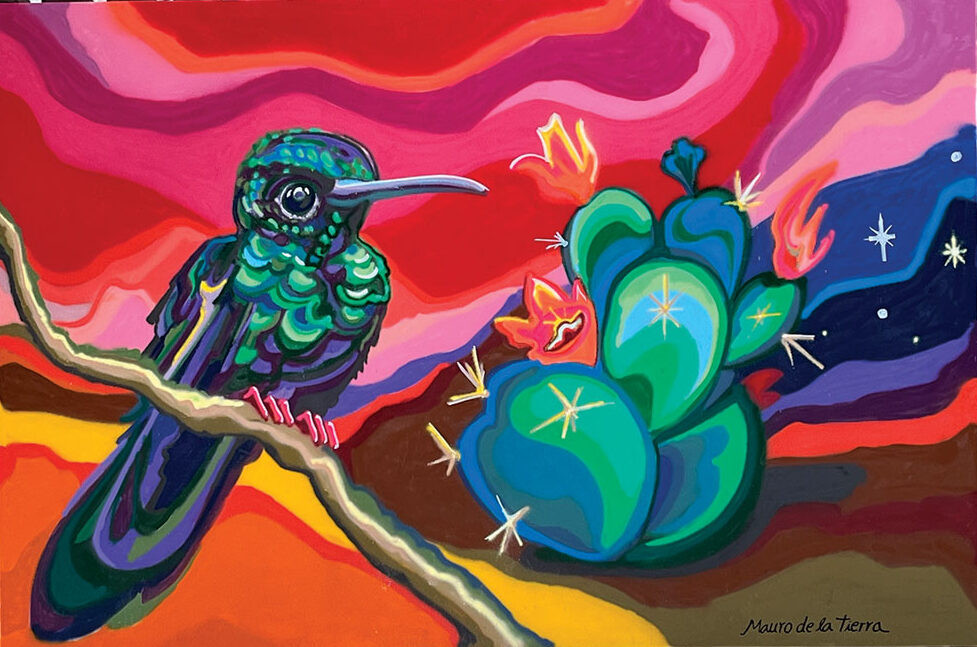
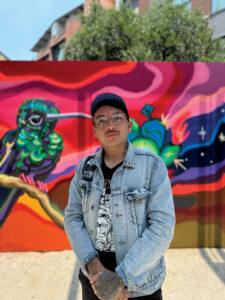
Southtown, the West Side and the Historic Pearl District illustrate how the city’s artistic identity was built neighborhood by neighborhood, through the passion of local communities, long before major institutions took notice. These districts didn’t just host the arts; they incubated them, and together they created the mosaic that defines San Antonio today — a city where creativity is not confined to concert halls but lives in streets, plazas, storefronts and community spaces.
Southtown and the Blue Star Arts Complex
What began as a cluster of affordable studios and renegade galleries in the 1980s, evolved into the beating heart of San Antonio’s contemporary arts movement. Comprised by five vibrant neighborhoods — King William, Collins Garden, Lavaca, Lone Star and Roosevelt — each with its own unique feel, Southtown is a magnet for experimentation where galleries coexist with indie theatres, design studios and performance pop-ups that appear in breweries, patios and alleyways.
At the center of it all stands the Blue Star Arts Complex, a sprawling former warehouse that became the city’s first and largest arts hub.
“The Lone Star Neighborhood District was established in the early ‘80s to help the neighborhood cope with environmental issues and disinvestment from businesses in the area. Because of this, the property values had deflated, which made it affordable for artists to purchase warehouses and small commercial properties,” said Ann FitzGibbons, a San Antonio real estate expert who’s had her finger on the pulse of these developing neighborhoods for years.
Her husband, Bill FitzGibbons, is considered by many to be the godfather of San Antonio’s rise as an art hub. Before he arrived in the city, San Antonio had no public art programs, the work of local artists was not featured in museums and there were very few independent galleries. Everything changed with the arrival of Blue Star.
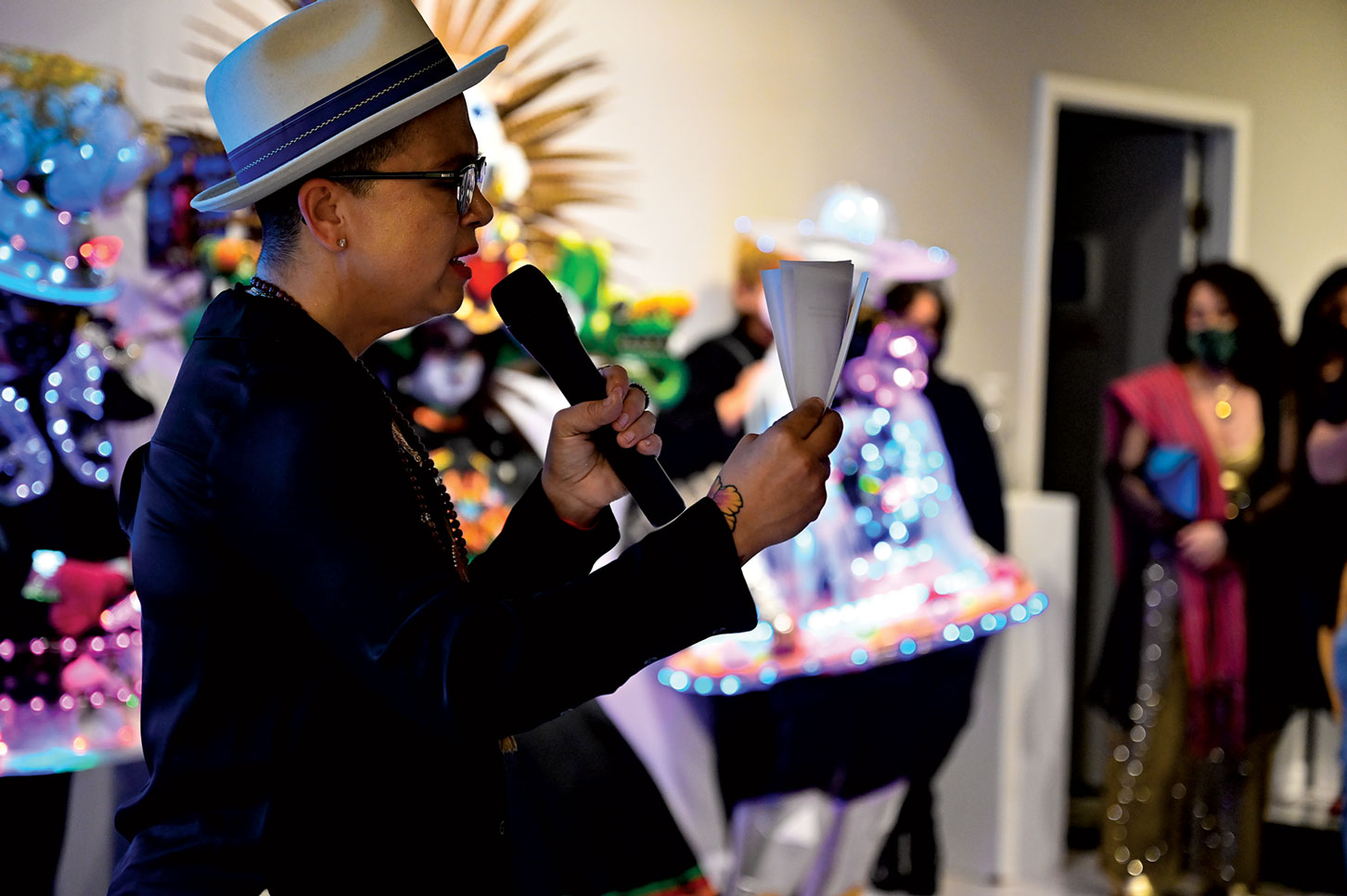
“The Blue Star complex was established by the artists of San Antonio in 1986 as a reaction to a canceled local artist exhibition at the San Antonio Museum of Art,” said FitzGibbons, a world-renowned artist whose colorful LED light sculptures prominently feature in buildings and public structures around the city. “Upon cancellation, the artists approached Bernard Lifshutz and Hap Veltman, owners of the warehouses at Blue Star, and secured a 10,000-square-foot space for the exhibition.” This was the beginning of the Blue Star Art Space, currently called Contemporary at Blue Star, of which FitzGibbons was the executive director for 11 years.
“The inaugural exhibition drew an audience of hundreds of people,” he said. “Artists historically have the creative ability to market their endeavors and bring attention to their work and community. The board was made up mainly of practicing artists.”
Blue Star’s influence can’t be overstated. It provided space for artists who didn’t fit into traditional institutions — painters experimenting with large-scale installations, sculptors welding late into the night, performance artists staging pop-up shows in hallways and courtyards. The monthly First Friday Art Walk, which started as a small gathering of artists and friends, grew into a citywide cultural ritual, drawing thousands of visitors and inspiring similar events across San Antonio.
According to the FitzGibbons, the rise of Blue Star spurred the Southtown Commercial District, with the intent to draw attention to the small businesses in the area. “The combination of commercial properties and strong residential involvement created a symbiotic relationship between residents and businesses,” said Bill. “With property values increasing in the King William and the immediate surrounding area, artists started to look beyond the immediate area and spread to the Lone Star, Lavaca and Roosevelt neighborhoods,” added Ann.
So, after leaving Blue Star, FitzGibbons acquired a large warehouse, which he turned into Lone Star Studios, the seed that has grown into the Lone Star Art District. Anchored by the warehouse area of South Flores and Lone Star Blvd., with established commercial property of Blue Star at Alamo St. and Probrandt, the Lone Star District sits in a strategic location — adjacent to Southtown, near the Blue Star Arts Complex and along the Mission Reach of the River Walk. That geography alone positions it as a natural extension of the city’s existing arts corridor. “The open and welcoming atmosphere has helped the community grow,” said FitzGibbons.
As Southtown becomes more established (and more expensive), the Lone Star District is rising as the next frontier for experimentation. Here, younger artists can afford to live and work, an important generational shift that ensures San Antonio’s arts scene doesn’t stagnate or become overly institutional. As new arts spaces open, the district and the community grow simultaneously.
“Artists worked closely with the Lone Star Neighborhood Association to develop the 2nd Saturday Artwalk, Neighbors Together and a Unity Festival and Picnic that brings the neighborhood organizations together and to shine a light on the strength of the community,” said FitzGibbons.
Southtown’s creative energy is scrappy, collaborative and constantly evolving, a reminder that some of the city’s most important artistic movements began far from the spotlight. And now, the Lone Star District is poised to become one of the most influential additions to San Antonio’s cultural landscape — in many ways, it represents the next chapter of the city’s creative evolution.
The West Side’s Cultural Heritage
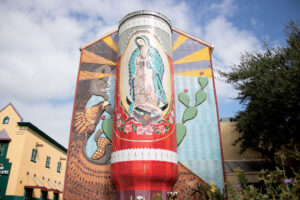
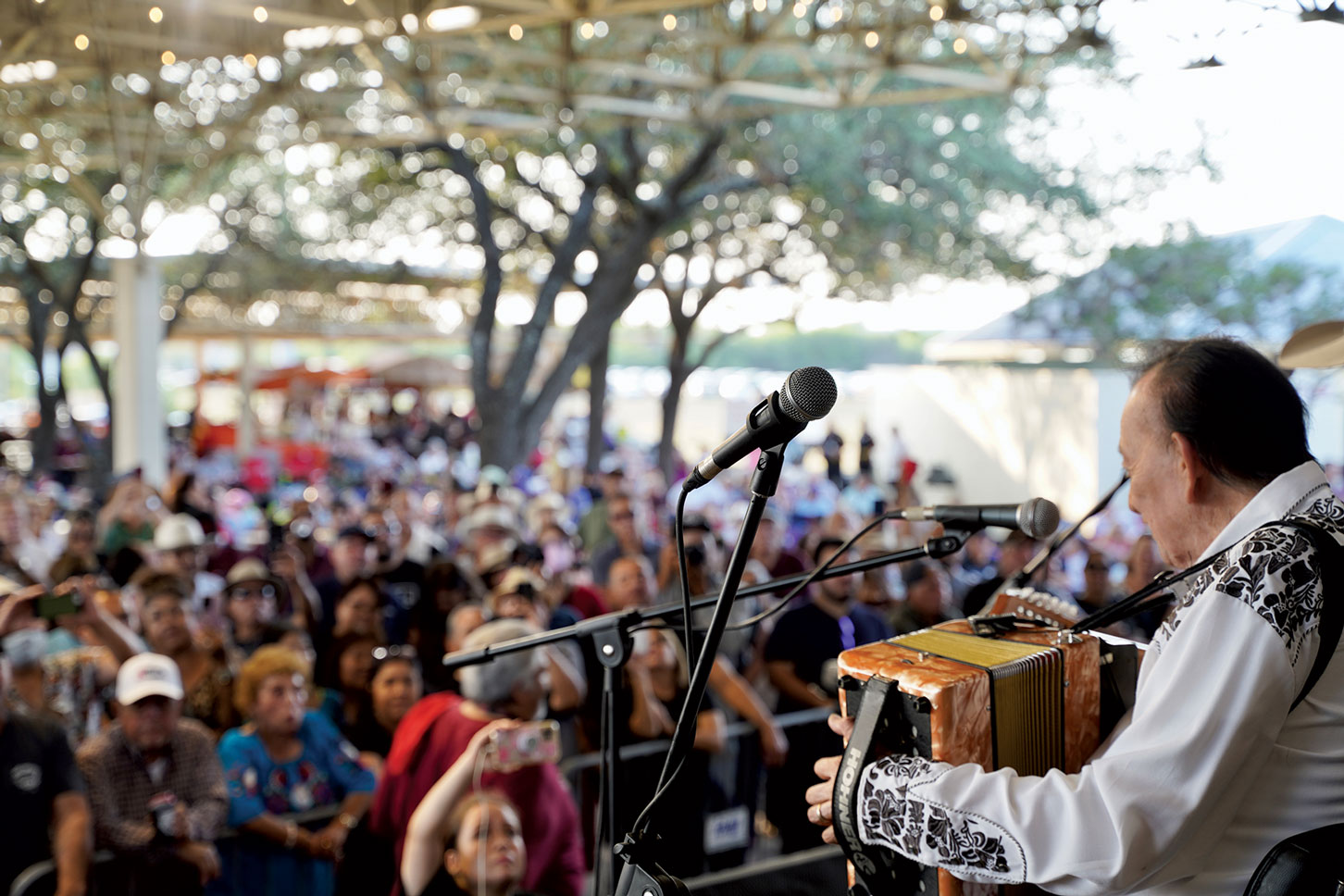
The West Side is the cradle of cultural memory, a historically Mexican American neighborhood that has long been a center of artistic expression rooted in identity, resilience and community pride. At the heart of this cultural corridor stands the Guadalupe Cultural Arts Center — affectionately referred to as “The Guadalupe,” a landmark institution dedicated to preserving and promoting Latino performing arts.
“The 78207 zip code, home to The Guadalupe, is often described as San Antonio’s poorest, but we believe it is among its most culturally rich,” said Cristina Ballí, the center’s Executive Director. “There is a deep reservoir of creativity and lived culture here that easily lends itself to artistic expression. Consequently, there is an abundance of artists creating authentic and distinctive art.”
This hub for Latino arts and culture was born out of political activism. In 1977, the City of San Antonio switched to a single-member district, allowing Mexican Americans to be represented on Council for the first time and get access to much needed resources.
“A group of grassroots artists called the Performing Arts Network, PAN, successfully partnered with the city at this time to obtain funding for Mexican American cultural organizations, and the Guadalupe Cultural Arts Center was born,” said Ballí. “The city gave management of the historic Guadalupe Theater to the center, where formerly roving teatristas were now able to produce community plays in a permanent home. The Guadalupe grew to be one of the most recognized Latinx theater programs in the country, to this day preserving the community tradition of working with local playwrights and actors, telling local stories that resonate globally.” Programming ranges from traditional folklórico dance and mariachi music to contemporary theatre, film and spoken word.
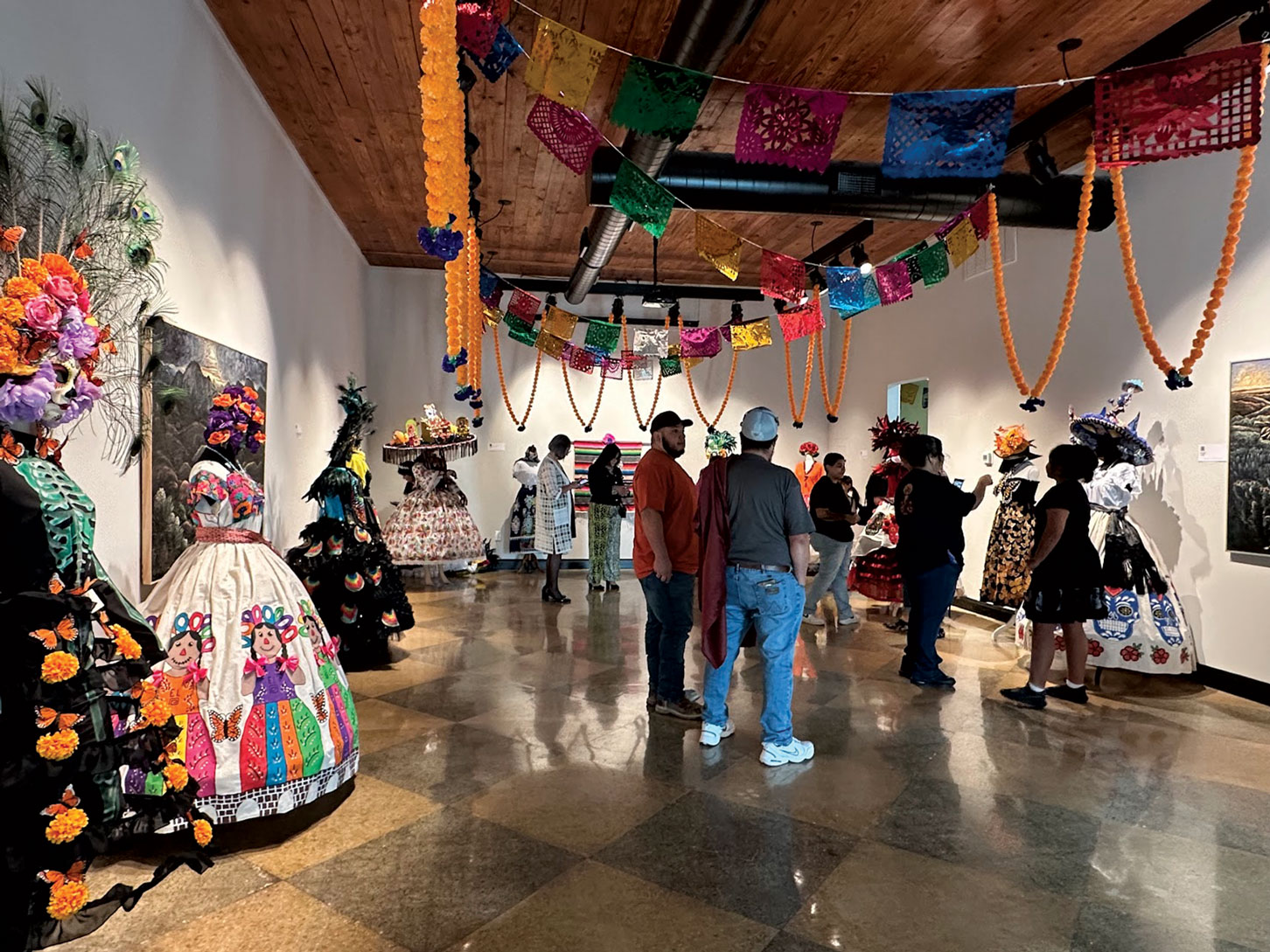
Throughout the neighborhood, creating, performing and exhibiting art has differed from elsewhere in the city. Malena Gonzalez-Cid, Executive Director of Centro Cultural Aztlán, shared, “There is a strong cultural legacy in this neighborhood, so that the community is always interacting with the art, and the artists are part of the community. There are deep connections between individuals, organizations and even families, so that there is a history that adds a deeper context to the work and the way that people understand the work. The artists respond to what’s going on in the community and vice versa. It’s beautiful!”
Of importance to Gonzalez-Cid is to continue the West Side’s artistic legacy and keep its cultural memory alive. “I wish more people understood the extensive history of the arts in our community, and in Chicano/Latino/Indigenous communities overall. We have done some work to capture the history and legacy of the West Side specifically, but there is so much more that could be studied, taught and written about for future generations. There are unsung heroes that dedicated their entire lives to the preservation and promotion of our culture, with very little to show for it in the history books. We are working to pass on part of this legacy through a curriculum developed in partnership with the U.S. Department of Education for K-12 students, the San Antonio Chican@ Artist Series-Art Curriculum. This is a series of lesson plans developed by Centro Cultural Aztlán highlighting the contributions of Chicano/a artists from San Antonio, along with educational activities for classroom use. We have also been documenting oral histories of living artists through the Una Plática Series, and we have produced several retrospective exhibitions, celebrating the founders of the Chicano/a art movement in San Antonio over the years,” she said.
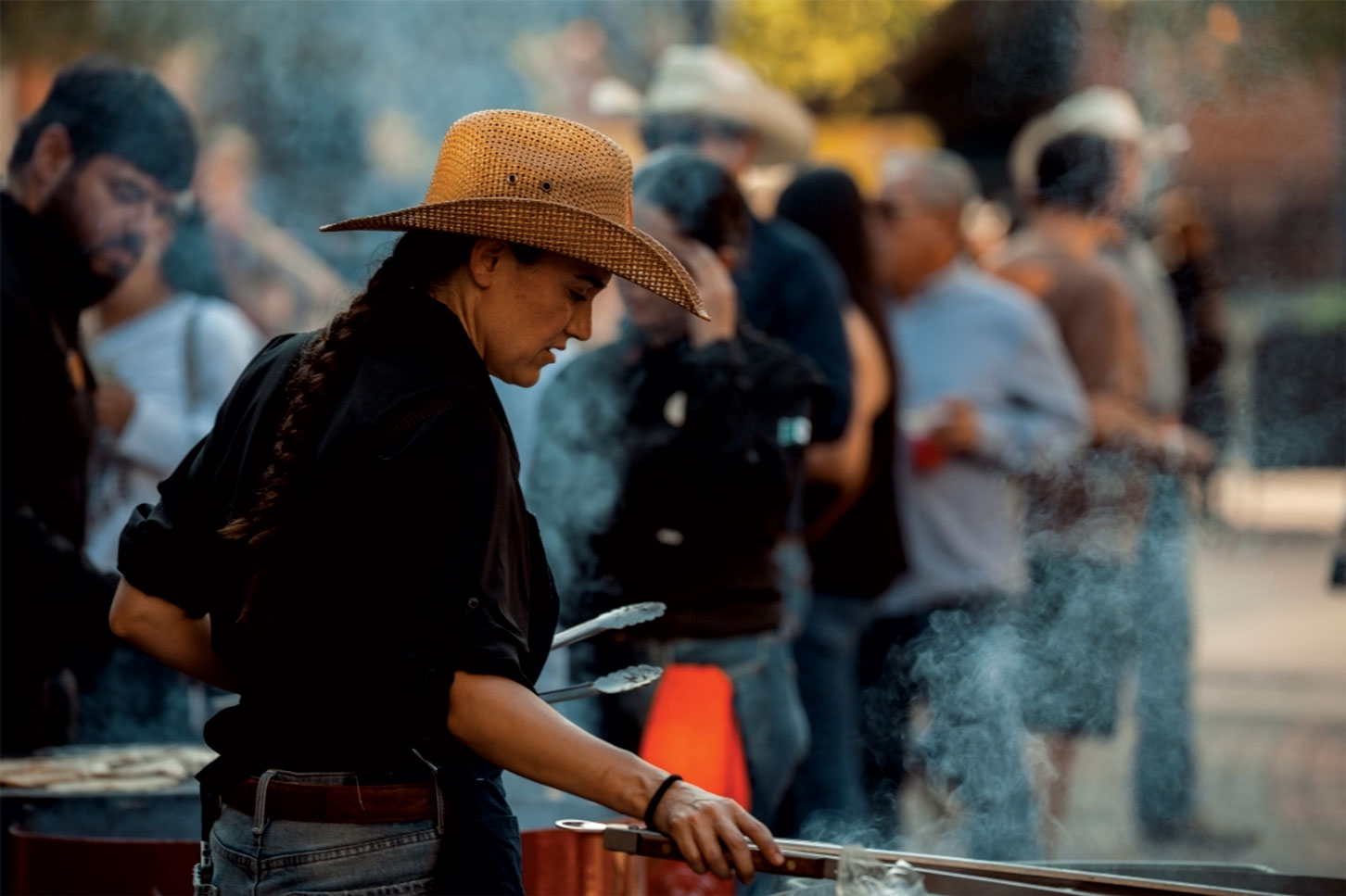
“The artistic expression in this neighborhood has given rise to numerous grassroots arts organizations, many of national acclaim, all within an approximate one-mile radius,” said Ballí. “Together they are from ‘El Mero Weso Cultural District,’ which was officially designated by Texas Commission on the Arts in 2021. The organizations include Rinconcito de Esperanza, San Anto Cultural Arts, Say Si and National Association of Latino Arts & Culture.”
The West Side’s contribution to San Antonio’s arts scene is profound: it anchors the city’s cultural identity in authenticity, heritage and community-driven creativity. It reminds the broader arts ecosystem that innovation doesn’t always mean breaking from tradition — sometimes it means elevating it.