Five Puro San Antonio Places
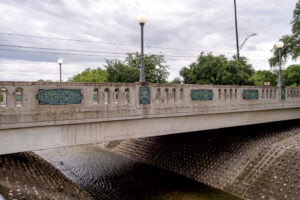
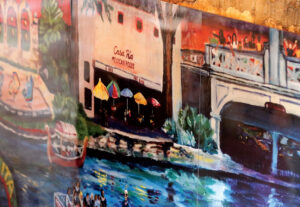
The River Walk
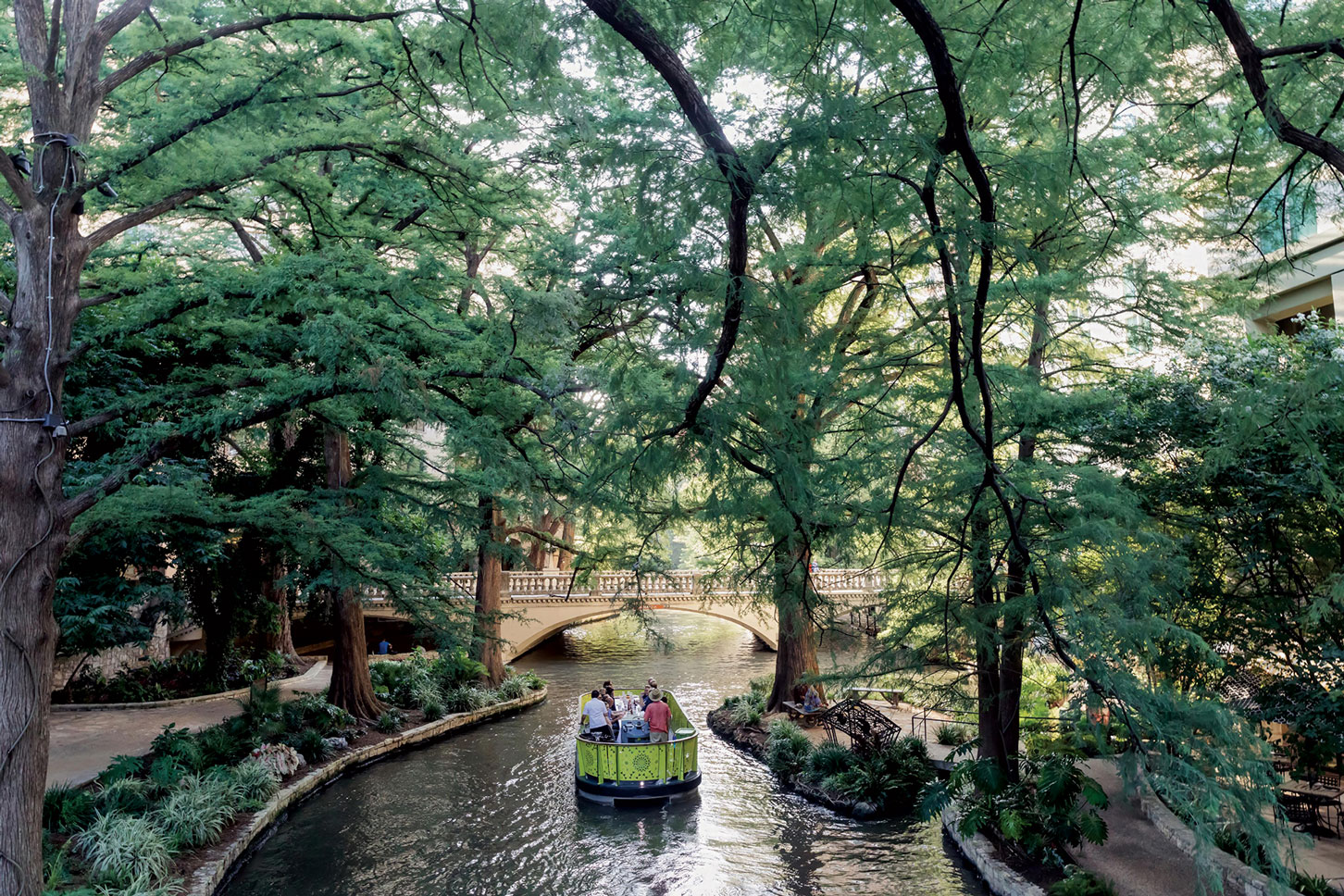
Long before humans arrived here, there was the river. The river drew Native Americans to this area they called Yanaguana, “place of refreshing waters.” Spanish explorers named the river San Antonio for the patron saint of Padua. In the early 1900s, there was talk of paving over the stream that snaked through the downtown business district. But a young architect named Robert H.H. Hugman proposed a bold alternative — a plan to create an American Venice. He envisioned winding cobblestone paths, stone footbridges and stairways from street level, Spanish patios and gardens, shops and cafes, and gondolas to ferry tourists.
The Depression stalled the project, but in the ’30s, with funds and labor from Roosevelt’s WPA, the San Antonio River Beautification Committee broke ground with a golden shovel on the first section of the San Antonio River Walk. Committee chairman Jack White made a prophetic statement: “Other cities can have beautiful parks, great zoos, magnificent stadiums and other attractions, but we know of no other city that has a beauty spot such as we propose to make of the river.” He got that right.
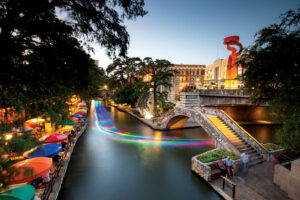
Today’s River Walk draws 14 million visitors a year. It’s the most visited tourist attraction in Texas, with restaurants, shops, hotels and clubs along the flowering landscaped banks. The gondolas didn’t work out, but brightly colored, lighted barges offer guided tours and dinner cruises. In recent years, the art-filled Museum Reach and an eight-mile Mission Reach have extended the River Walk to 15 miles of Puro San Antonio — the jewel in San Antonio’s crown.
 Tower of the Americas
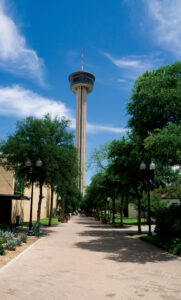
Literally towering over downtown at a lofty 750 feet, the Tower of the Americas is an iconic symbol of San Antonio. (Lit up at night, it has also been mistaken for an invading alien spaceship by folks who overpartied.) Built as the ambitious centerpiece of HemisFair ’68, an international event that changed the face of downtown, the Tower weighs in at 80 million pounds of concrete and steel. The top house took 18 months to build on the ground, then was hoisted up the shaft to the top. At one point, a cable broke, and the whole thing hung there halfway up, crazily tilted, until jerry-rigged oilfield cables saved the day.
You can whoosh to the top at 800 feet per minute in a glass-sided elevator in 43 seconds flat. (Vastly preferable to the 952-step stairs.) Get a real birds-eye view of the city from the glass-walled observation deck or take in a more leisurely panorama from the Chart House restaurant or bar. The top house makes one 360-degree rotation every hour, so you barely know you’re moving — but you are. It’s a new form of sightseeing — another Puro San Antonio experience.
Market Square
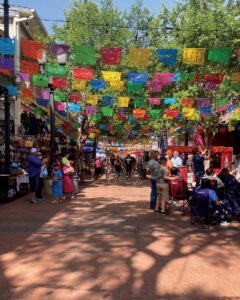
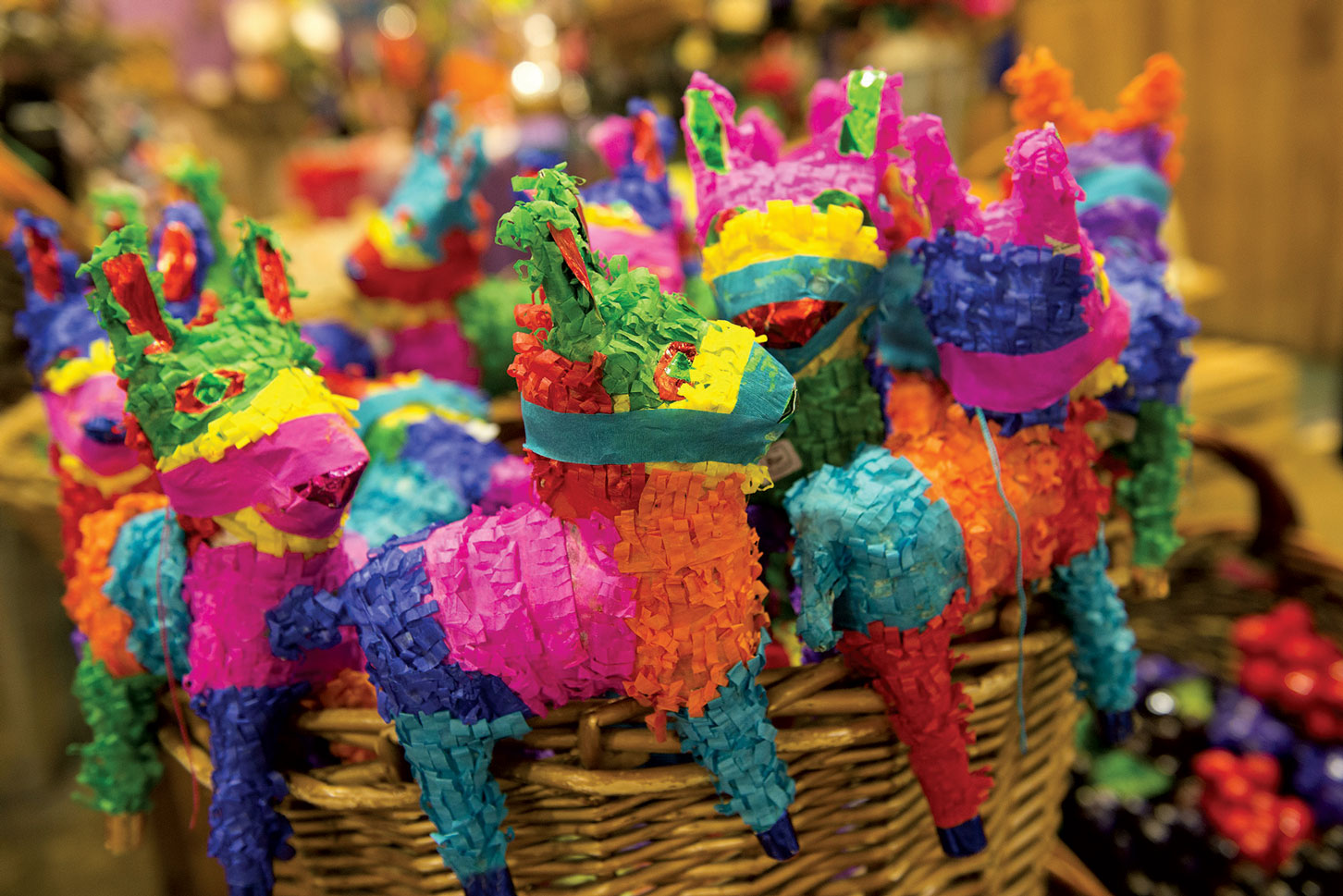
San Antonio’s historic Market Square is the largest Mexican market in the U.S. Looking for a piñata? Paper flowers? A Mexican dress or sombrero? From T-shirts to turquoise, fine art to funky, you’ll find it at one of Market Square’s 100-plus shops and stalls. Sip a margarita at La Margarita or sample the menudo at the famous Mi Tierra restaurant. If you’re looking for a fiesta, you’ll find one here, too, with live music and art events every weekend and major festivals throughout the year. The market covers three blocks, on a plaza the King of Spain gave to Canary Island colonists who settled here for their “use and entertainment” in 1730. A lively produce market thrived here for centuries, and Chili Queens and frontier cooks dished out their spicy fare. Today the plaza still swirls with colorful activity. Also, the shops are air-conditioned. The Chili Queens would have loved that.
La Villita
Nestled in the heart of downtown, La Villita is one big art-filled block of the city’s cultural heritage and history. This is the city’s oldest neighborhood, revitalized as an arts district, and listed on the National Register of Historic Places. Spanish settlers built their homes here, near the San Antonio de Valero Mission (the Alamo) and the fort. Successive generations of settlers from many countries brought their building skills and styles. Traditional adobes, early Victorian houses and traditional Texas limestone structures conjure images of the people who settled here. Now, they house boutiques, cafes and art galleries featuring everything from handmade soaps and scents to woodwork, upscale jewelry … and lots of fabulous Mexican folk art. Lush landscaping and shady plazas with cool fountains offer a retreat from the rush of a constantly changing downtown. The community still gathers in La Villita’s plazas, where more than 200 events are held yearly.
The Missions
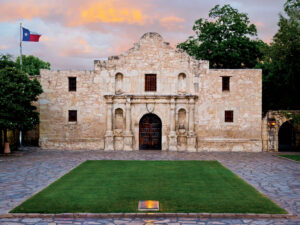
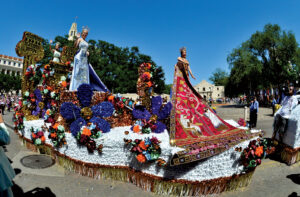
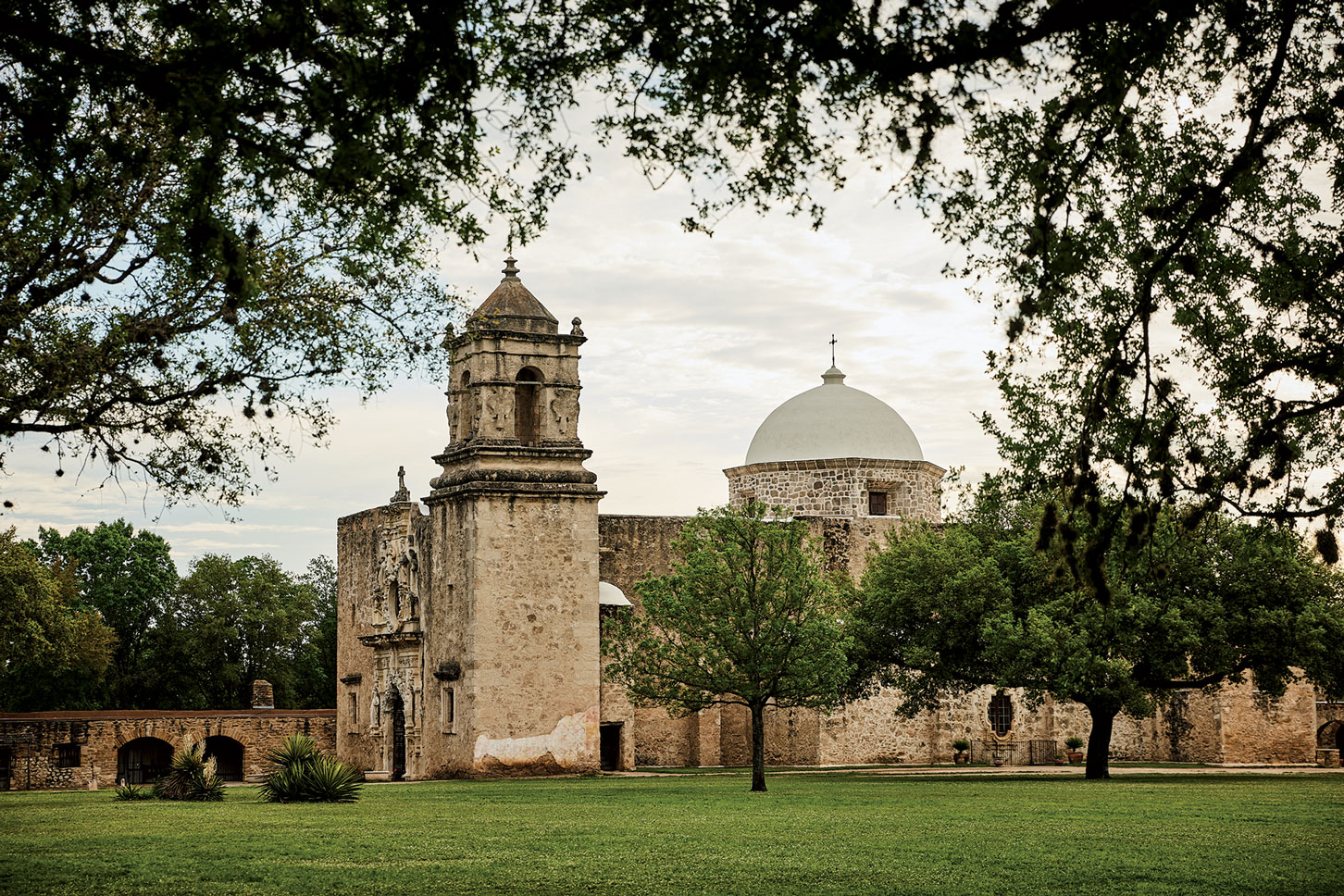
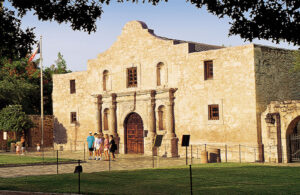
San Antonio’s Spanish Missions are the only UNESCO World Heritage Site in Texas — on the elite list with the Statue of Liberty and the Grand Canyon. For years, the Alamo — Mission San Antonio de Valero — got all the glory. After all, it’s the Cradle of Texas Liberty with an epic story of heroic martyrs. It’s also ground zero for Fiesta® San Antonio, which began in 1891 as a flower parade marking Texas’ victory in the battle for independence.
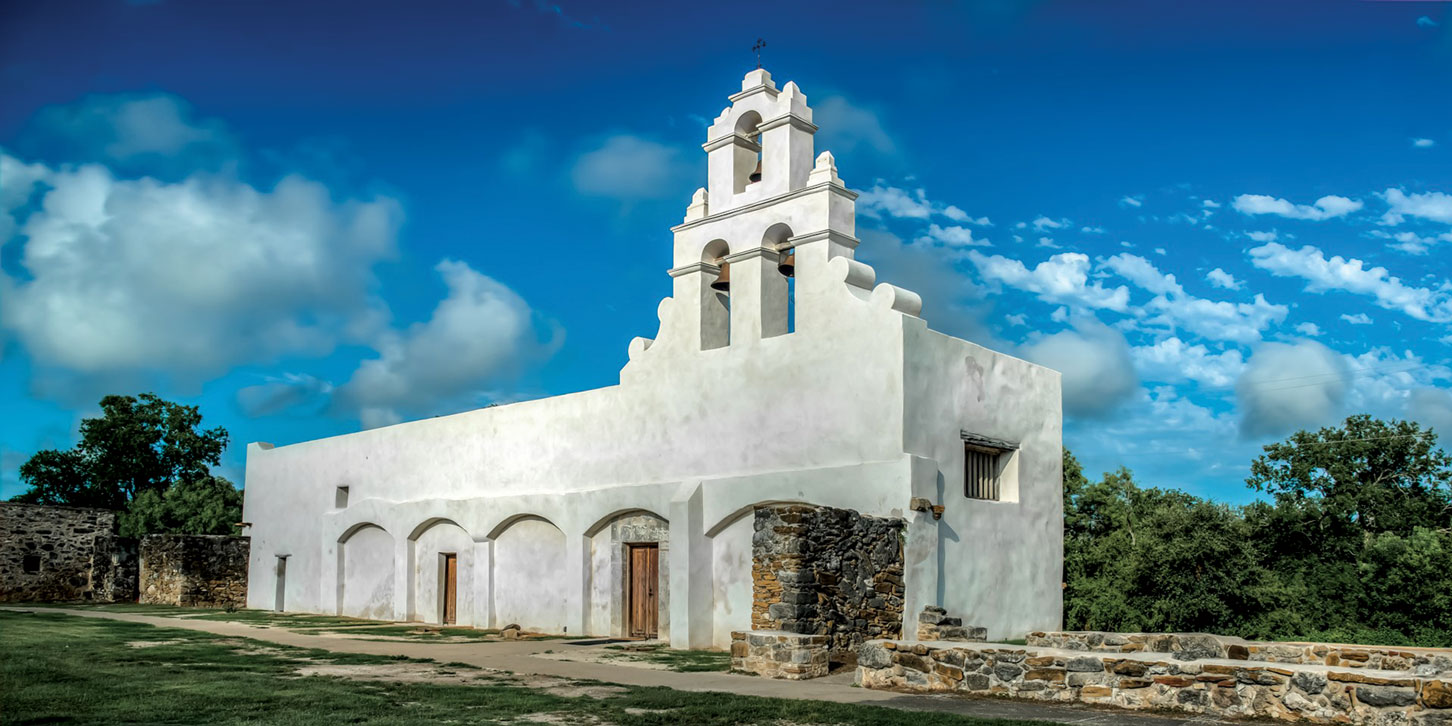
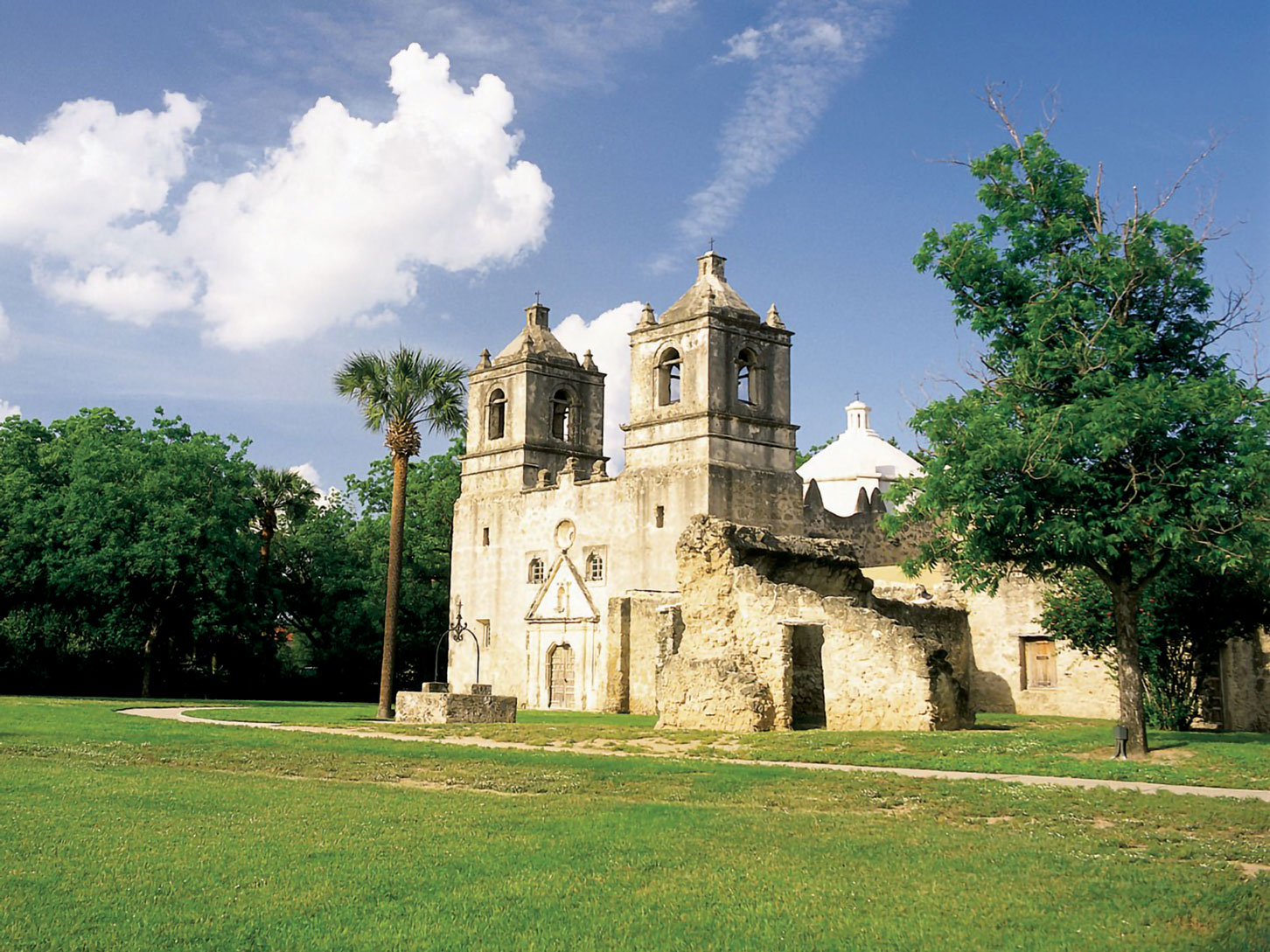
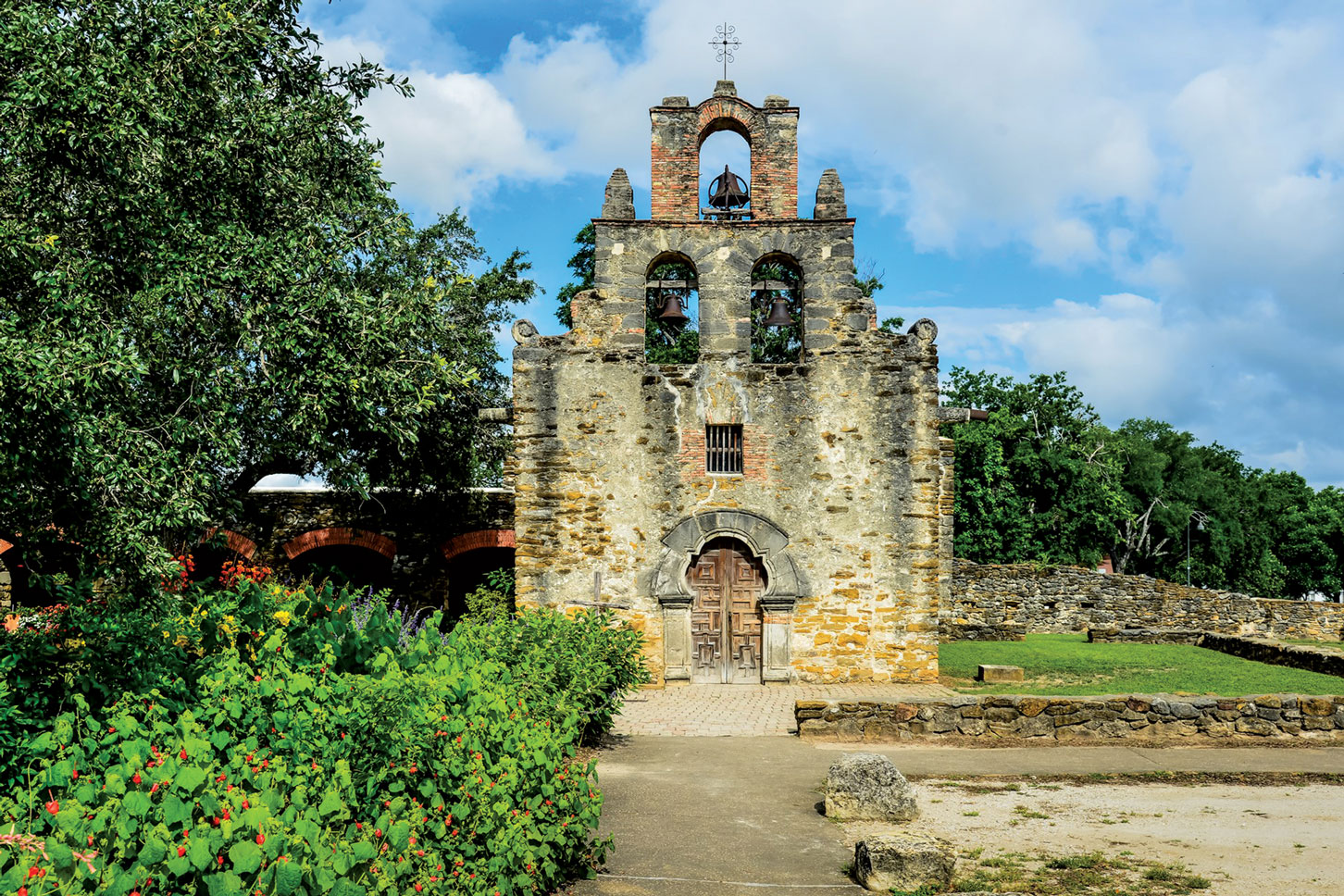
But the four other missions that share the World Heritage honor — Mission San José, Mission Concepción, Mission San Juan and Mission Espada, have their own powerful stories. Built along the San Antonio River, their rugged stone compounds and churches tell the stories of Spanish padres and Native Americans who lived and worked there and helped form San Antonio’s melting pot of Latino, Native American and Western ways. Wandering through their quiet grounds and chapels, the farm fields of Mission Espada and its still-flowing acequia, or standing quietly under the magnificent archways of Mission San José can transport your imagination into another century. All four missions are still active Catholic parishes, where weekly Mariachi Masses delight visitors and parishioners.
A new World Heritage Center, where visitors can learn more about the missions, is a short walk from Mission San José, the “Queen of the Missions.”
Fun fact: The World Heritage Missions are one of only two places in the world that partner with Spain’s Camino Santiago de Compostela pilgrimage. Check in at the Catholic Archdiocese of San Antonio’s Camino Center by Mission San Juan, walk the Mission Trail, and have your passport stamped along the way to get a Compostela certificate and 30-kilometer credit towards completing the Camino in Spain.