The society began in 1924 with efforts to preserve unique sites such as the iconic Spanish Colonial Missions, and ultimately saved many historic attractions across the city. San Antonio was the largest city in Texas at that time, and its rapid growth was threatening many of the historic aspects of the city.
Led by Emily Edwards and Rena Maverick Green, a group of 13 women first sought to preserve the distinctive old Market House, built in 1859 and one of the city’s few examples of Greek Revival architecture. Although the building was eventually demolished, they vowed to continue encouraging the preservation of historic buildings, objects, places and customs relating to the history of San Antonio and Texas.
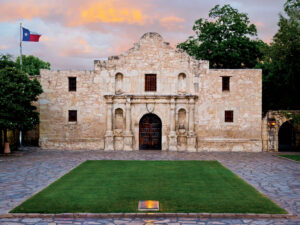
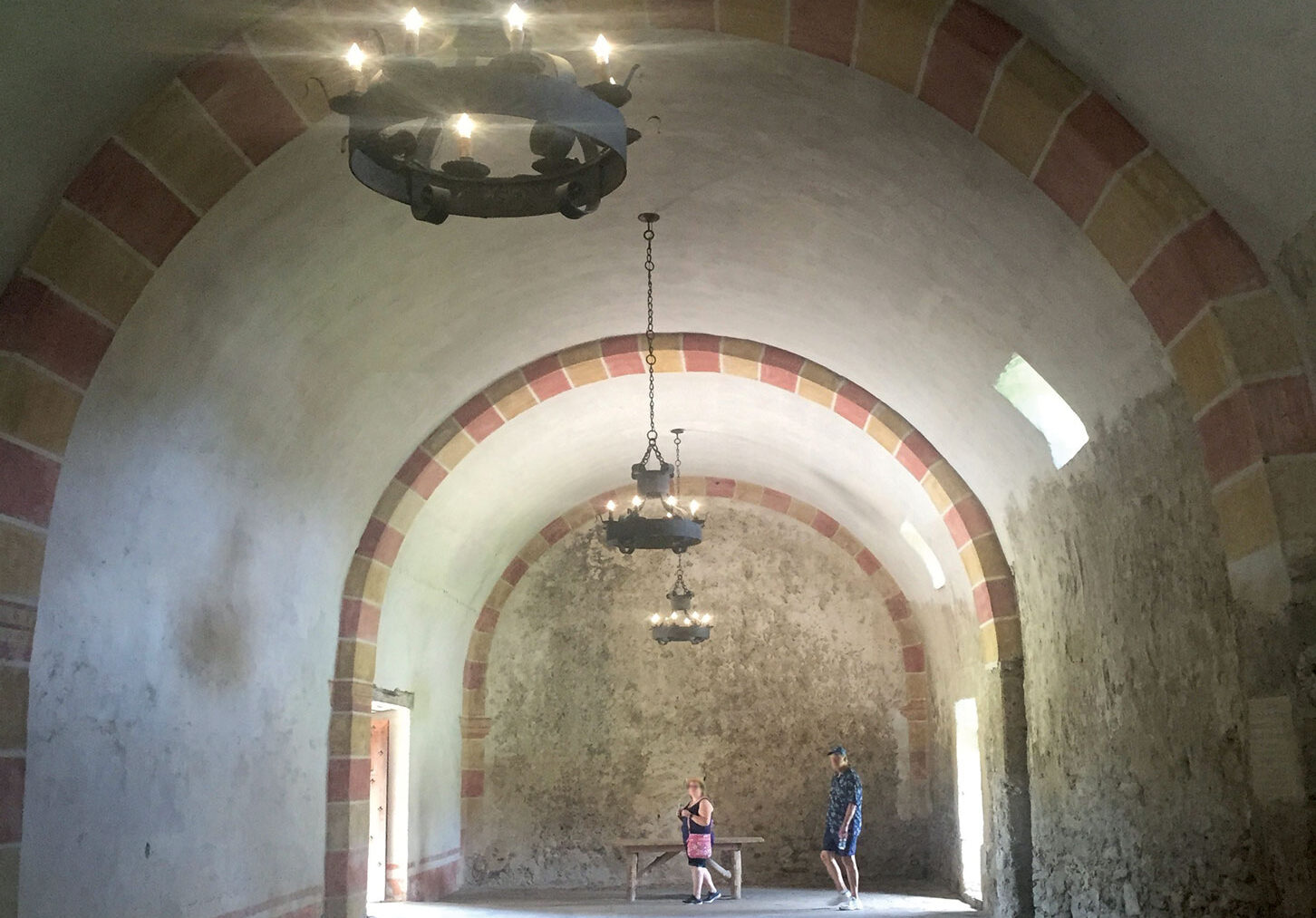
The Conservation Society purchased its first historic artifact in 1926, when the ladies paid $50 to purchase a door to the Mission San Jose Granary in order to preserve its brass medallions, which the building’s caretaker had been removing and selling to tourists. Today, the Society owns and maintains 17 historic buildings on seven different properties. The list includes such iconic sites as Mission San Jose, Bombach House, Jose Antonio Navarro House, O’Henry House, Old Ursuline Academy complex (known today as the Southwest School of Art), Menger Soap Works, Gresser House, Staacke and Stevens Building, Rand Building, Steumke Barn, Albert Maverick Building, the Fairmount Hotel, Aztec Theatre, Huebner-Onion House, Ellis Alley and many others.
Now and then, the Society accepts façade easements as a means of insuring the preservation of historic structures. Easements are obtained when a structure is sold to preserve the façade of the building. This means that the property’s owner cannot alter the exterior without permission. The Society currently holds six façade easements, including the Southwest School of Art and the Texas Theatre.
The Society was one the first preservation groups in the United States to advocate preservation of not just an individual landmark but its entire historic natural environment as well, like Britain’s National Trust for Places of Historic Interest or Natural Beauty had been doing since the 1890s. It has played an instrumental role in creating the City’s Office of Historic Preservation and Brackenridge Park Conservancy, spurring historic farm and ranch surveys, and numerous historic neighborhood designations in San Antonio. At the national level, they work alongside Preservation Action, an American 501(c)4 non-profit historic preservation advocacy organization.
The Society was integral in the Missions’ nomination as a UNESCO World Heritage Site, starting the process in 2006 and supporting the nomination until the Missions were awarded the status in 2015. The Society’s support of the Missions includes a substantial donation to the operation of Mission San Juan Spanish Colonial Farm.
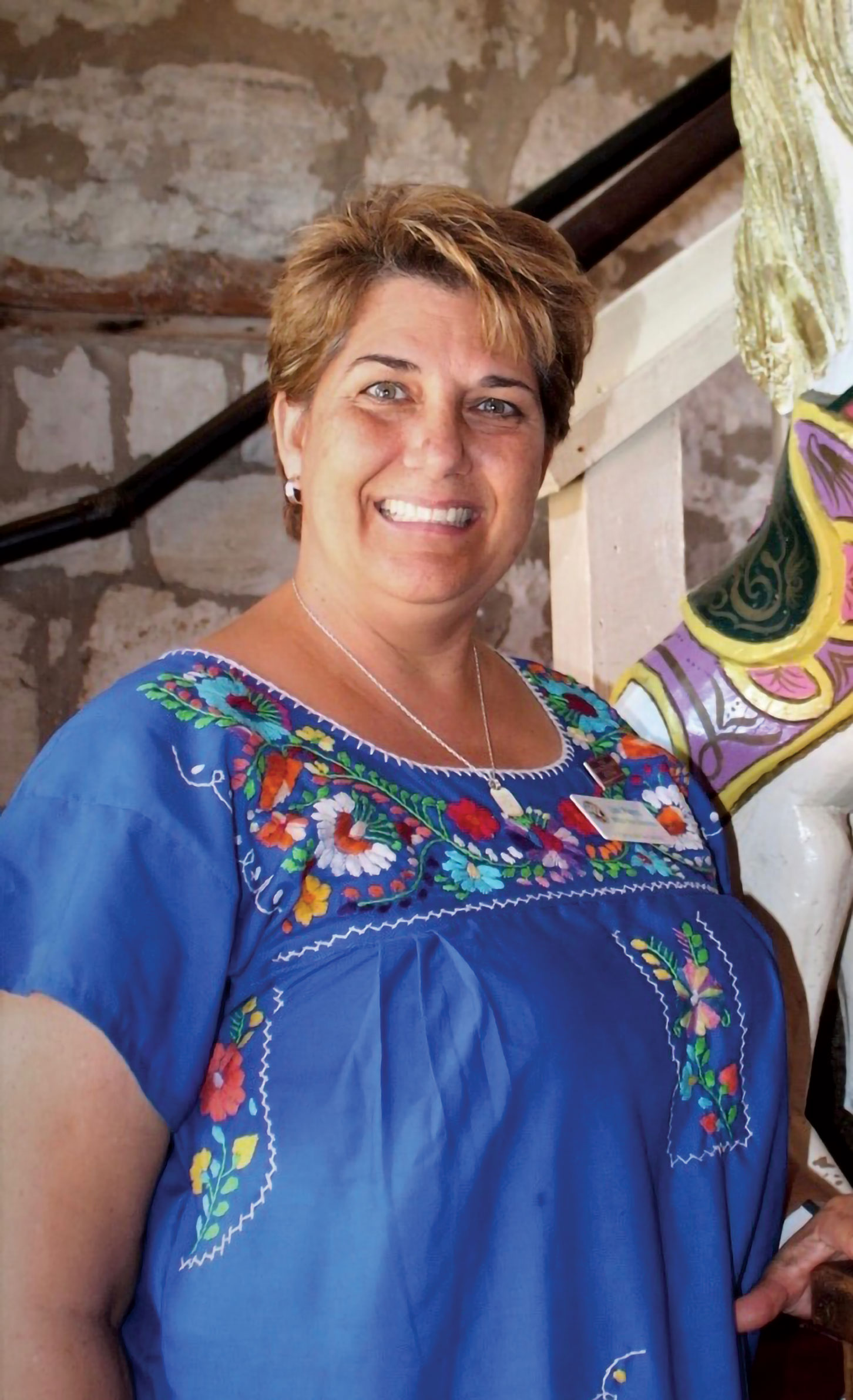
“The beautified San Antonio River Walk, along with the rich, preserved cultural heritage of this region, continue to attract visitors worldwide,” said Kathy Krnavek, President of The Conservation Society of San Antonio. “From 13 founding women to a membership of over 1,700 men and women, our volunteers are still actively involved in the preservation of history, structures, customs, green spaces and the diverse cultural heritage of San Antonio and Texas.”
This important work is not without its challenges. Just like back in 1924, the Society struggles to manage the rapid growth of the city to ensure its historic character is not lost. And new membership is difficult to attain for all charitable groups after COVID.
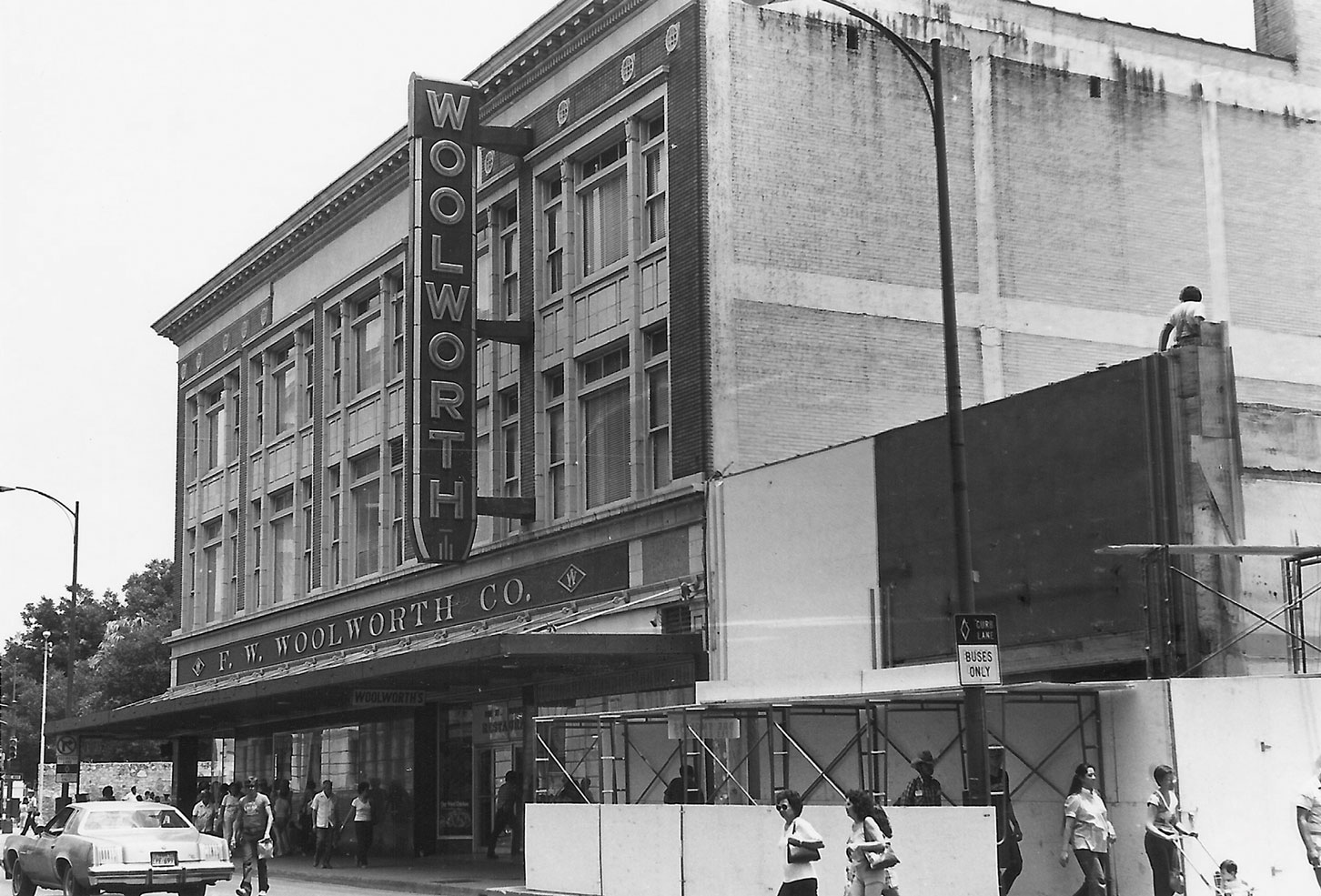
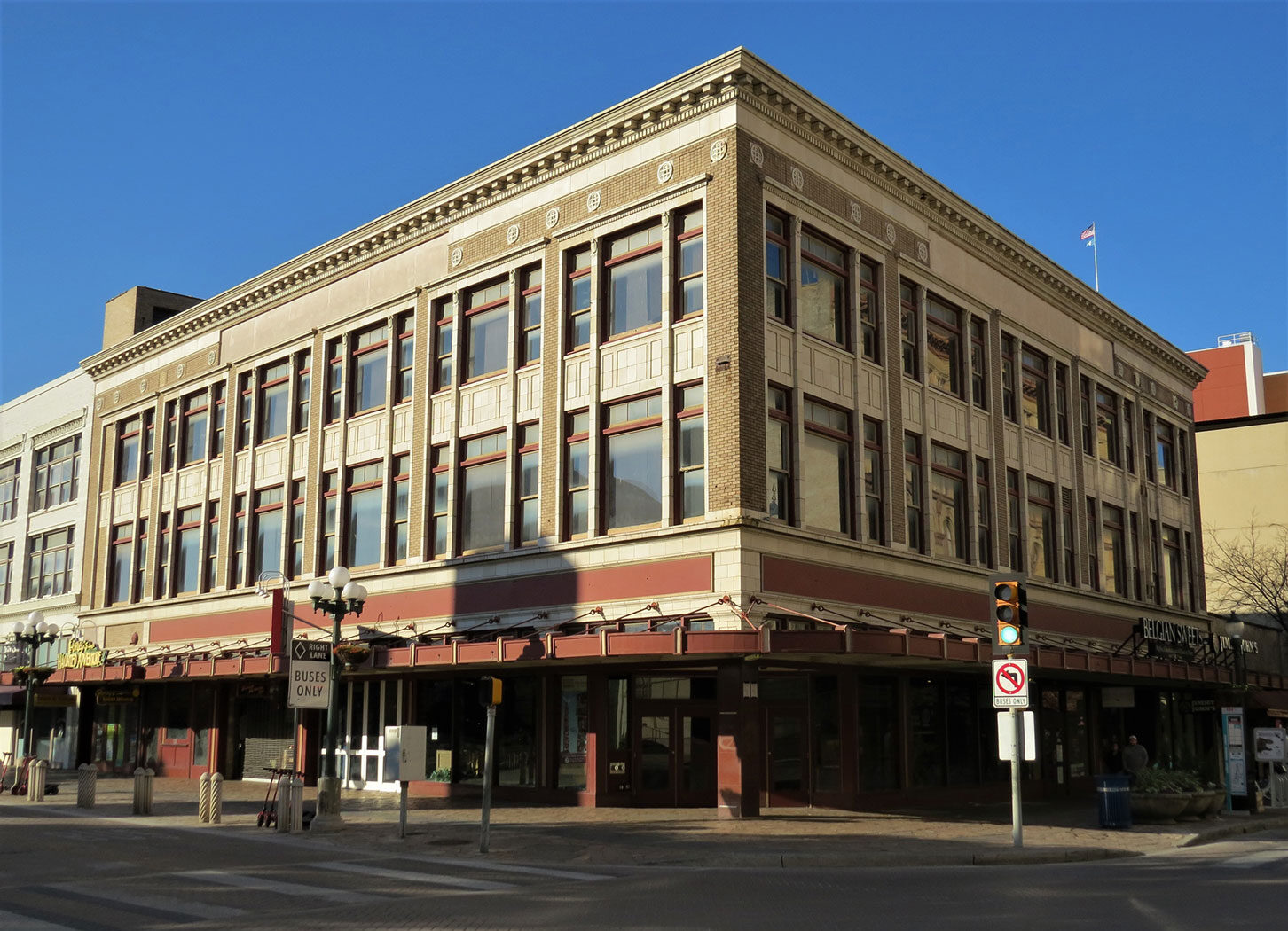
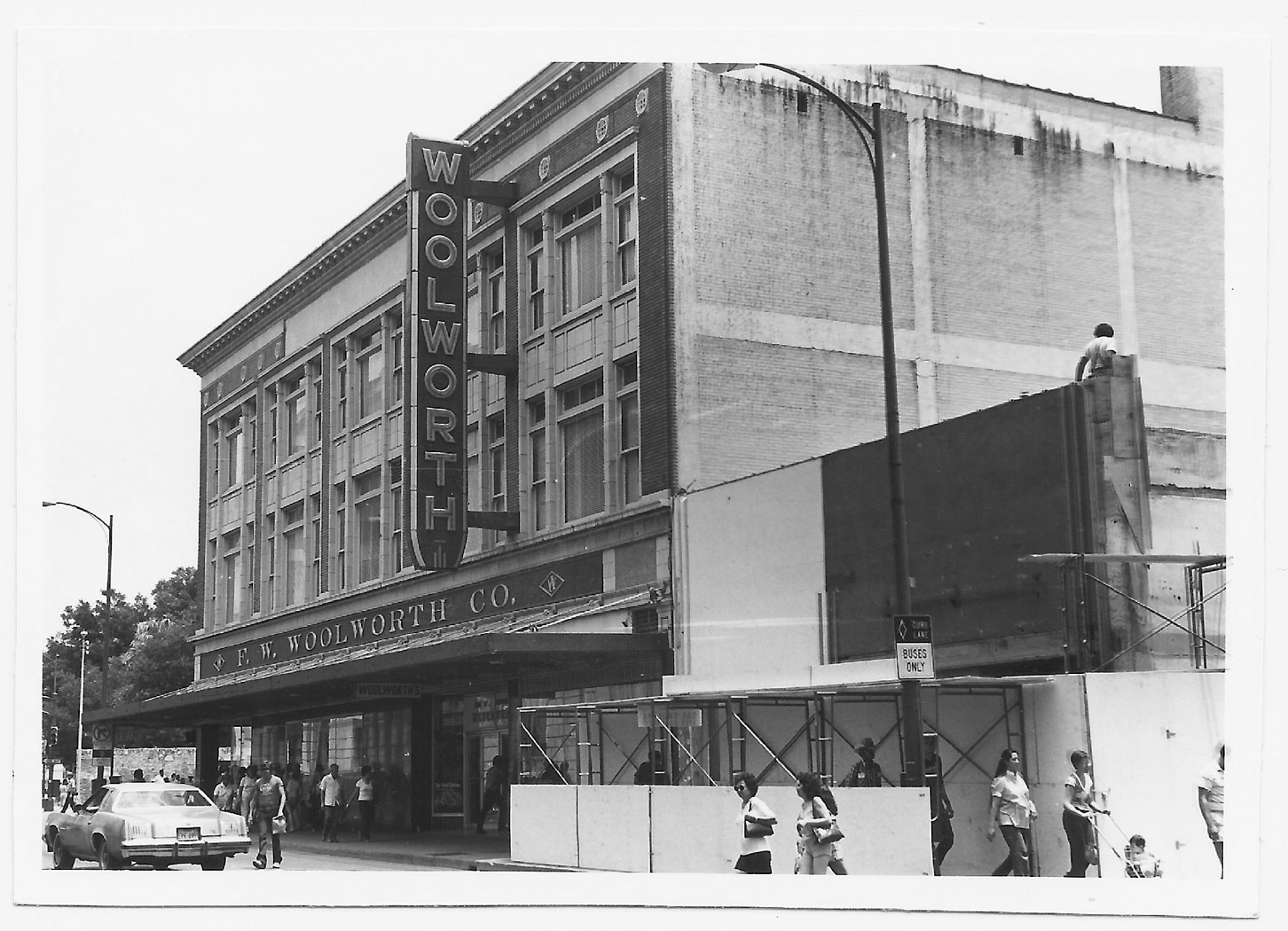
“There is a perception that the Society has saved everything that has made the city unique,” said Krnavek. “But conservation and preservation are ongoing. It’s not just the buildings, it’s the stories unique to each that are important, such as the Woolworth Building lunch counter event marking its role in civil rights history. Advocacy, education, our grants and scholarship programs are ongoing. Our organization strives to maintain an active role in crafting meaningful policy at the local, state and federal levels to ensure that the history of Texas and of our region remains intact going forward. It’s a constant and continual process that requires cultivating individuals with a likeminded passion to continue the society’s purpose.”
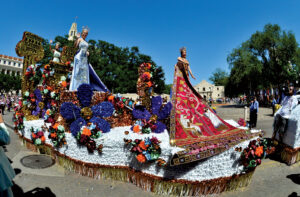
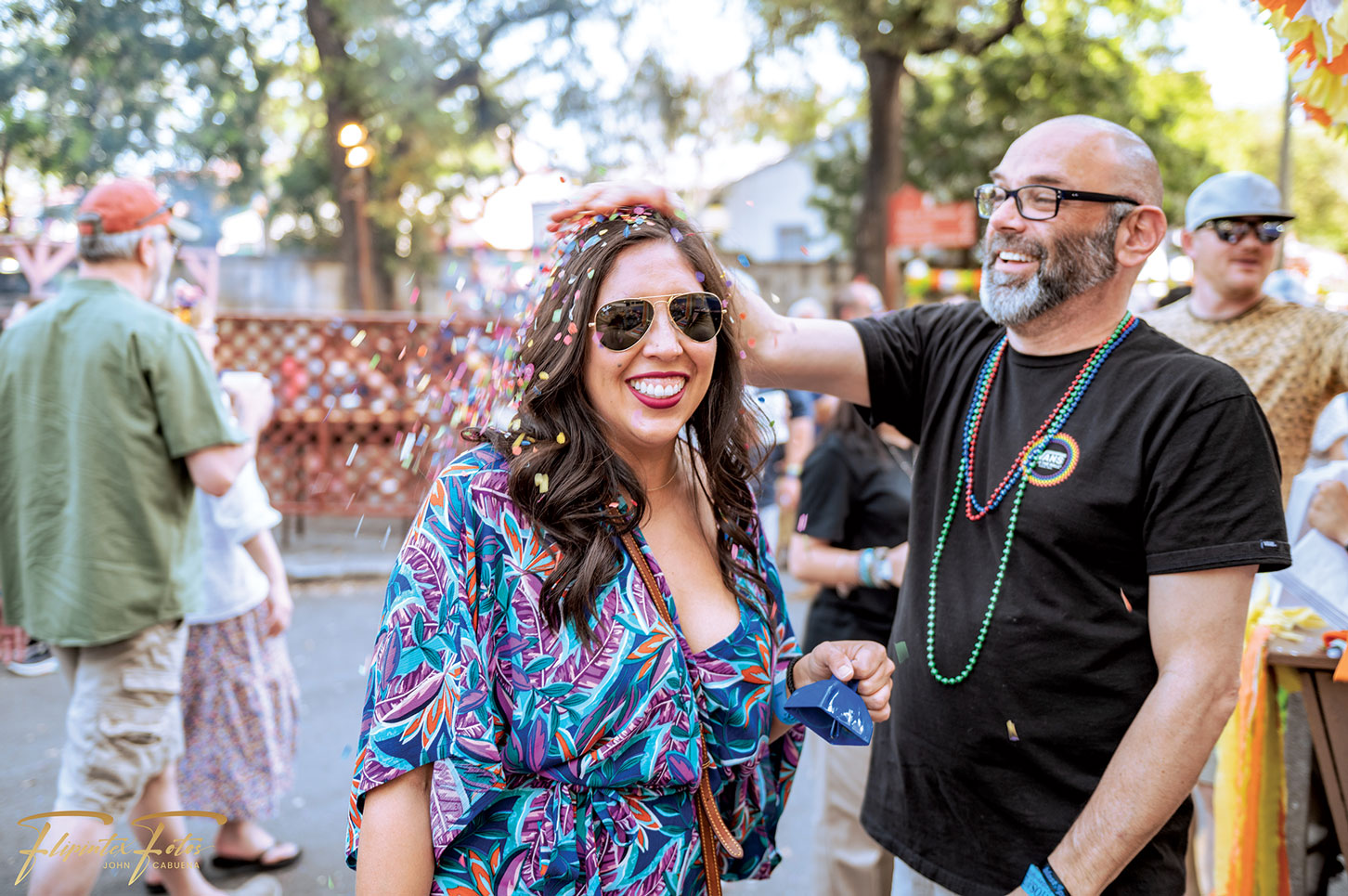
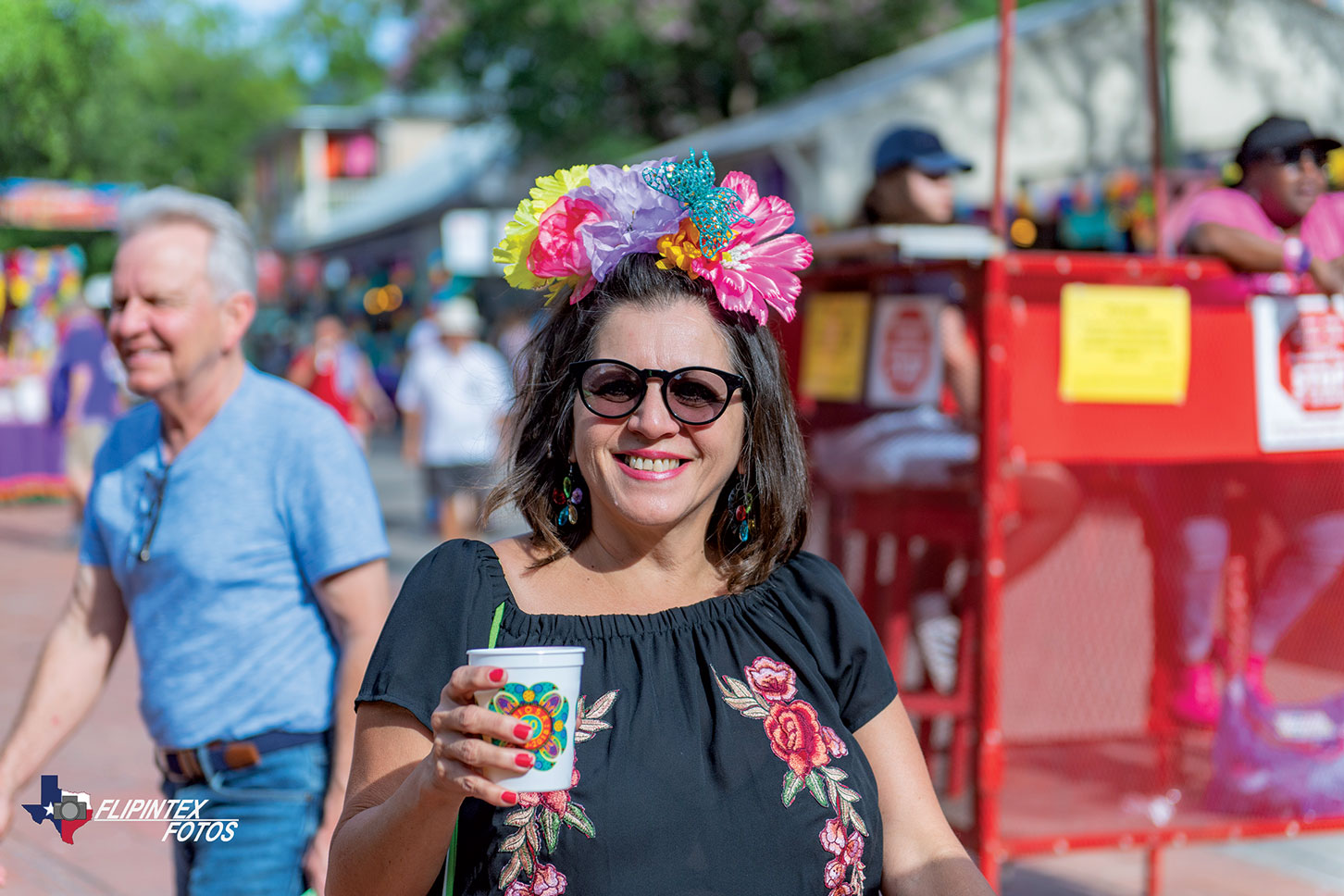
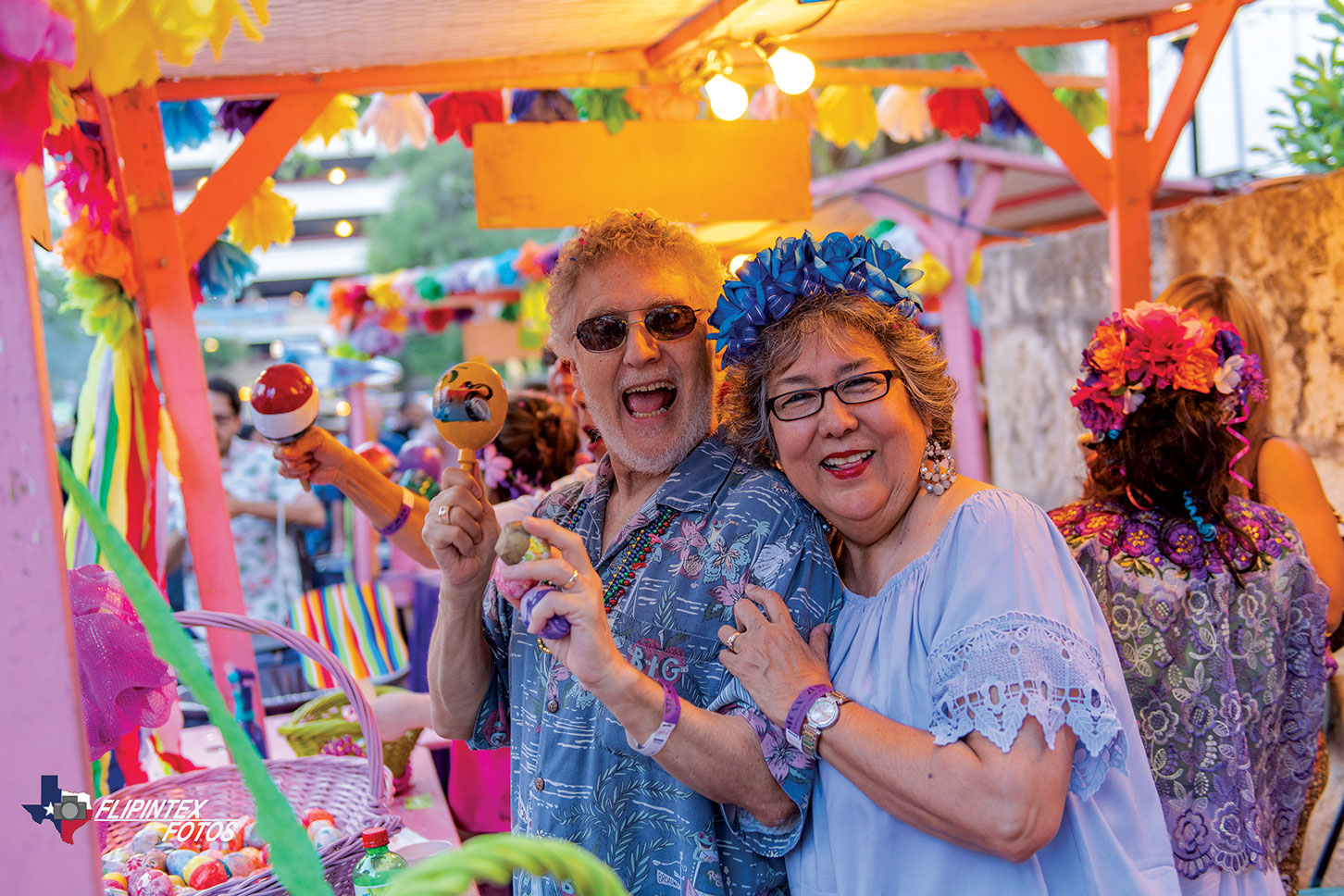
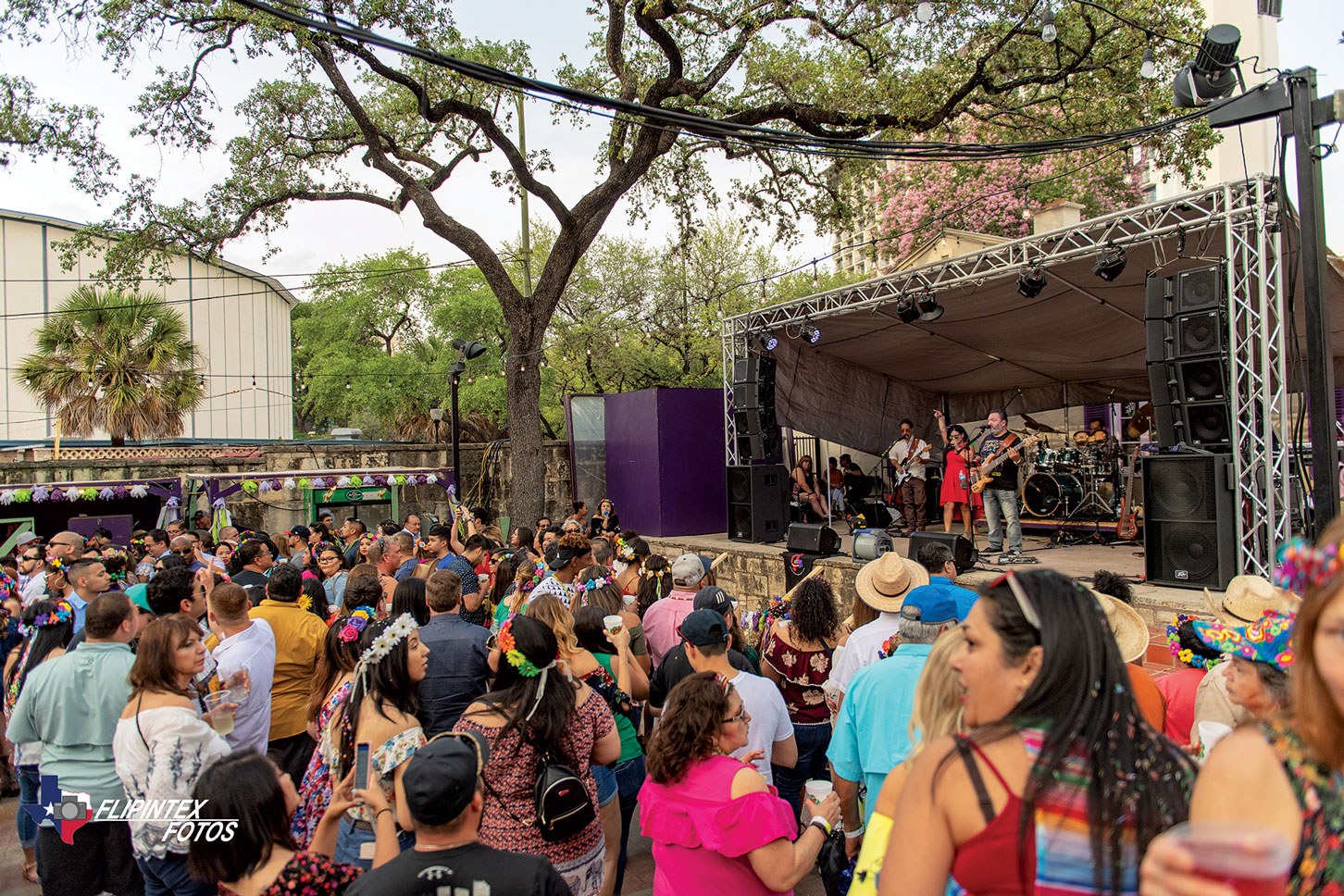
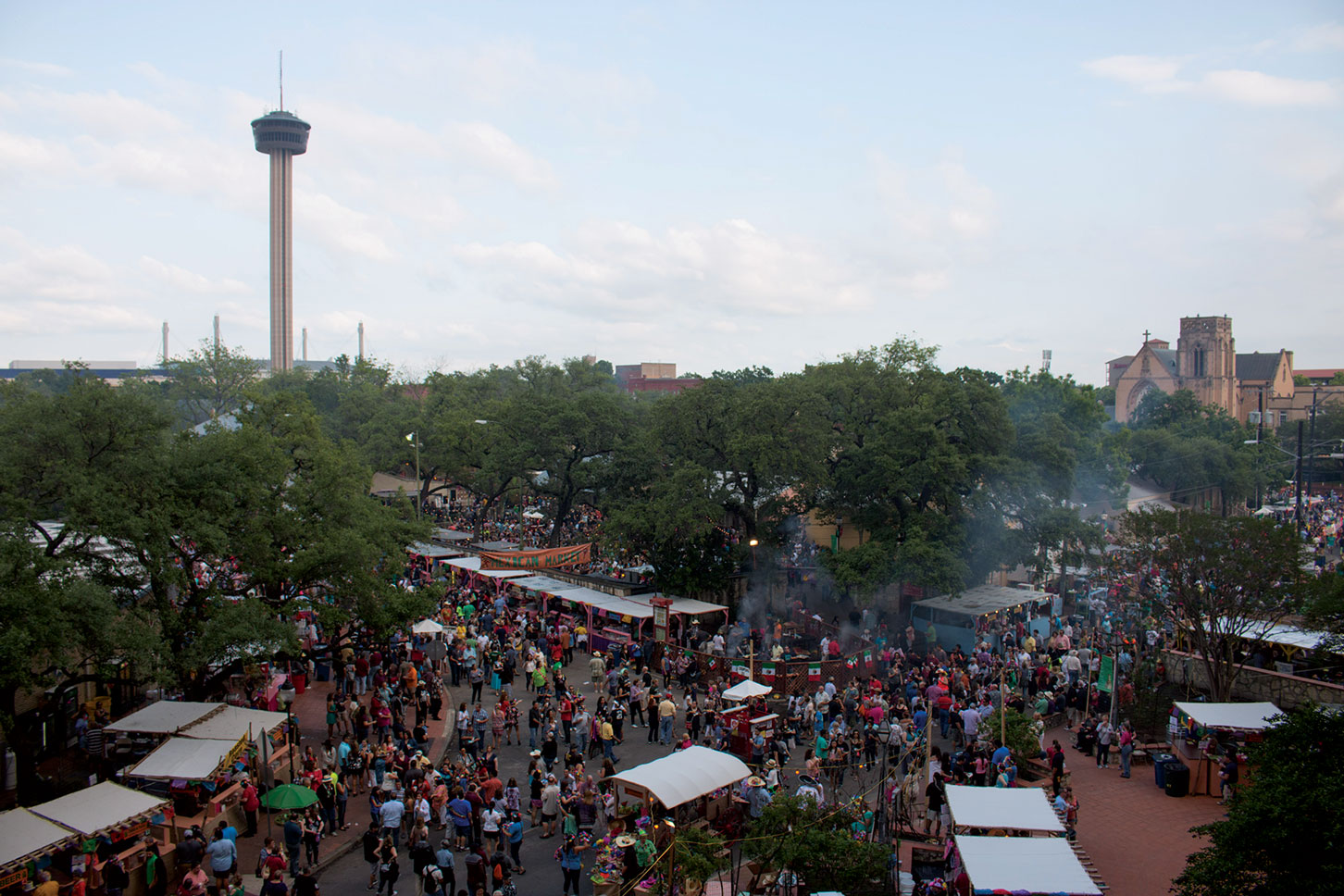
The Society’s annual fundraising event, A Night In Old San Antonio® — held during Fiesta® San Antonio in April since 1947 — is the largest celebration for preservation and fundraiser in the United States, and the Society’s most important source of revenue. NIOSA®, as it is known locally, is a four-night festival in downtown San Antonio that celebrates the city’s diverse cultural legacy and lives up to its motto as a “Celebration for Preservation” attended by more than 85,000 revelers annually.
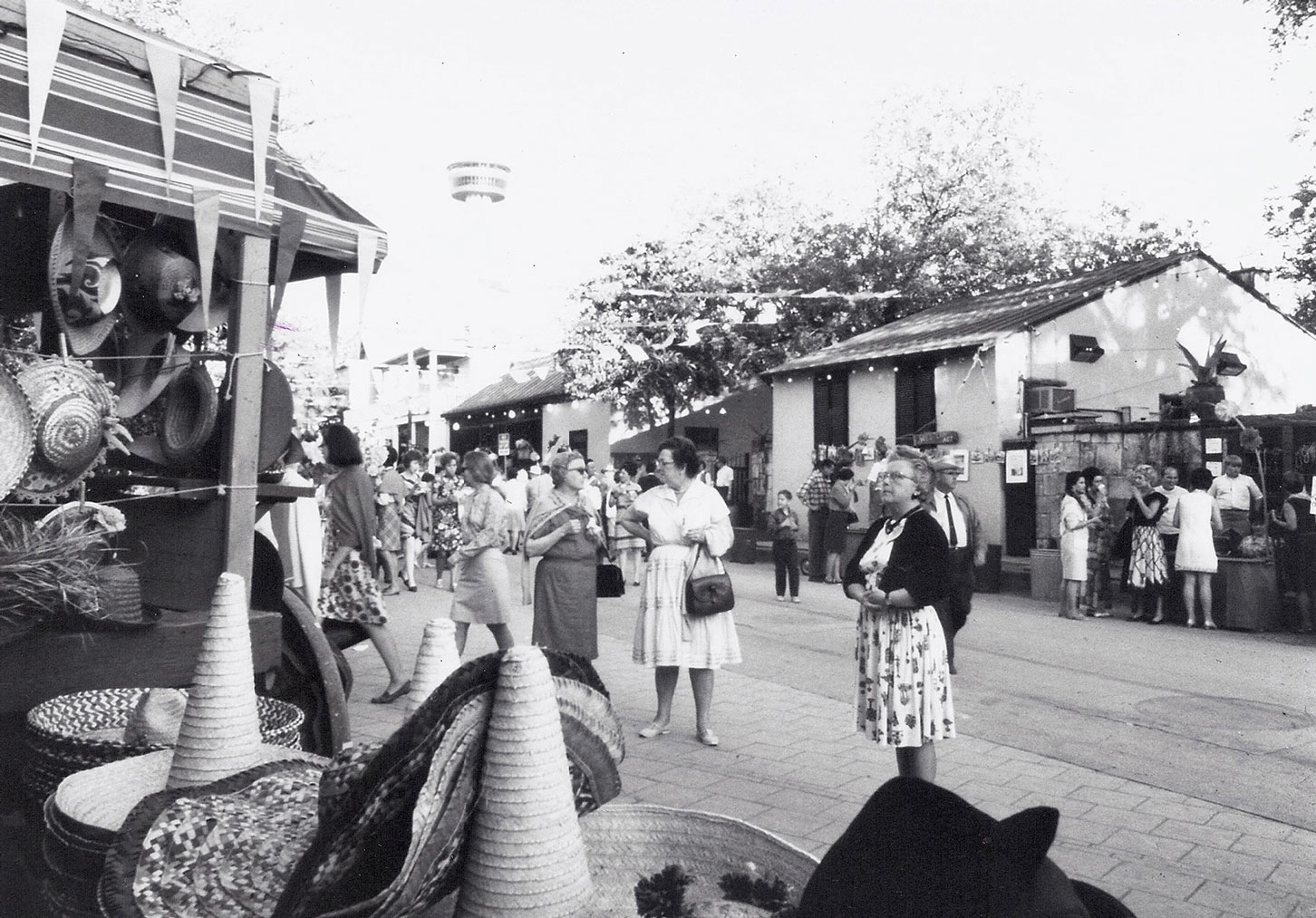
It began in 1936 as a harvest festival on the grounds of Mission San Jose. In 1938 it was called the “Indian Festival,” a one-night street fair patterned after the fiestas of San Antonio’s early days, and in 1948 the one-street, one-night festival was called “A Night In Old San Antonio” for the first time. By 1958 it had expanded to four nights, and in 1966 the name was registered and trademarked, reserving it exclusively for The Conservation Society.
“NIOSA 2024 will again occur on the La Villita grounds — its home since 1947. Using NIOSA funds, the Society has a century long history of saving La Villita from the wrecking ball and encroaching commercialism that remains until today,” said Lisa Pierce, 2024 NIOSA Chairman and Fourth Vice President of The Conservation Society of San Antonio. “In 1942, the Society’s La Villita River Carnival (NIOSA’s predecessor) provided nearly all its profits for the down payment to buy a building on Villita Street, since the city wouldn’t buy it to save it. NIOSA’s legacy of preserving La Villita continues through today — it has donated more than $1.6 million in renovations and improvements to La Villita since 2000.”
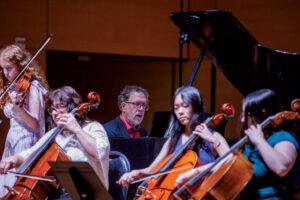
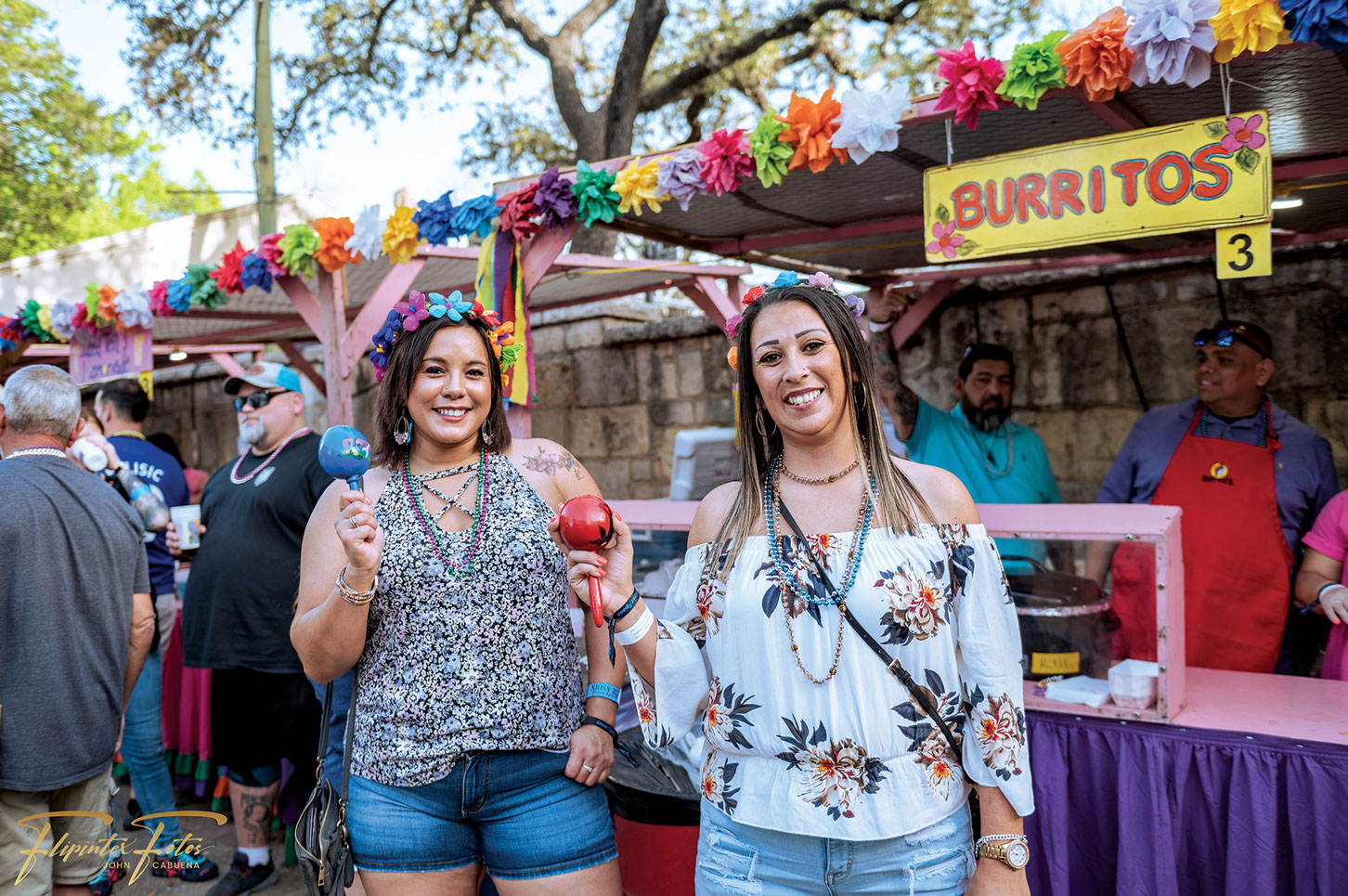
Year after year NIOSA celebrates the city’s diverse cultural legacy through more than 155 food and drink booths and entertainment stages with continuous live musical acts in 14 areas — Arneson Theatre, Chinatown, Clown Alley, French Quarter, Froggy Bottom, Frontier Town, Haymarket, Irish Flat, Main Street USA, Mexican Market, Mission Trail, Sauerkraut Bend, South of the Border and Villa España.
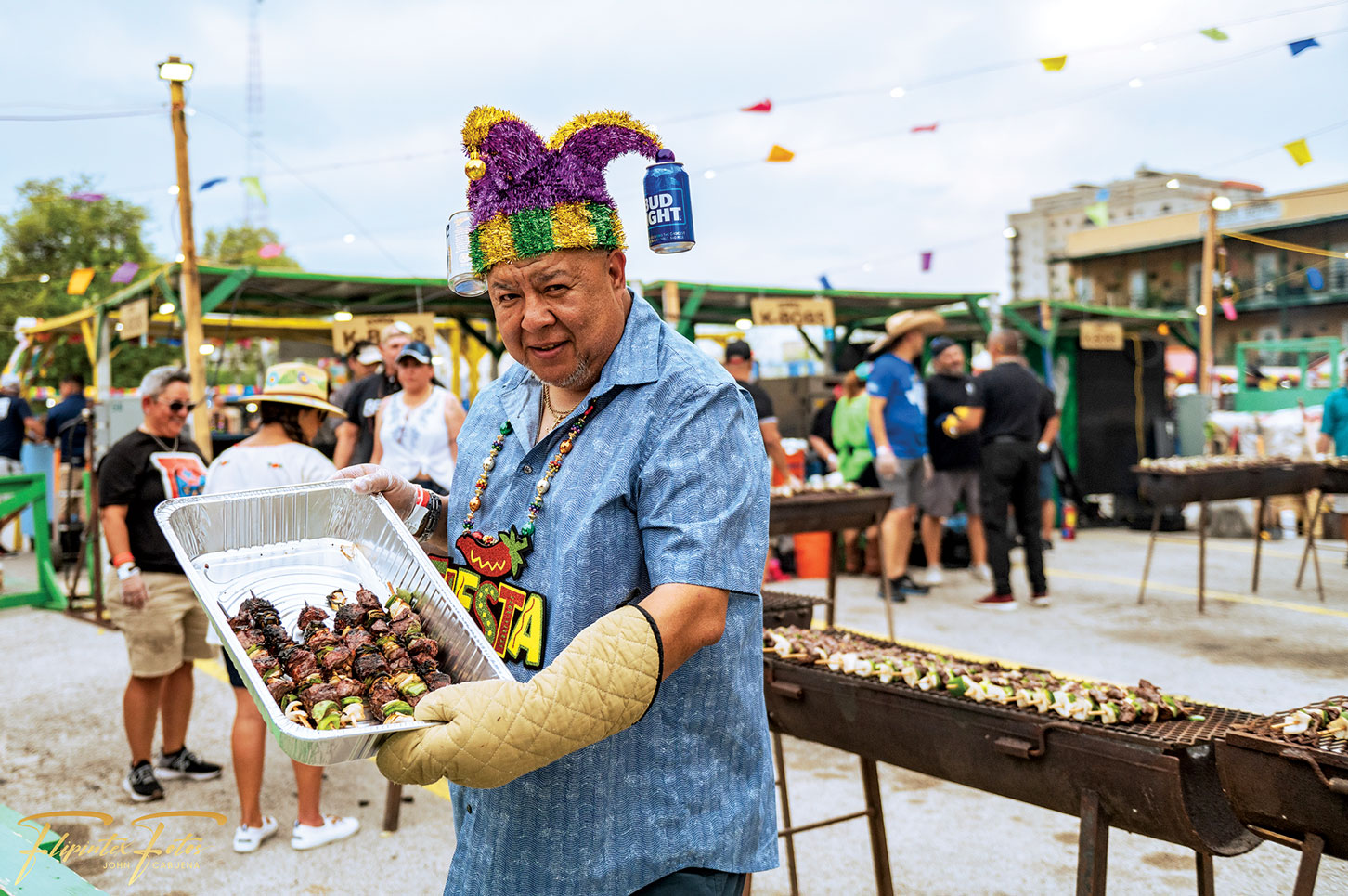
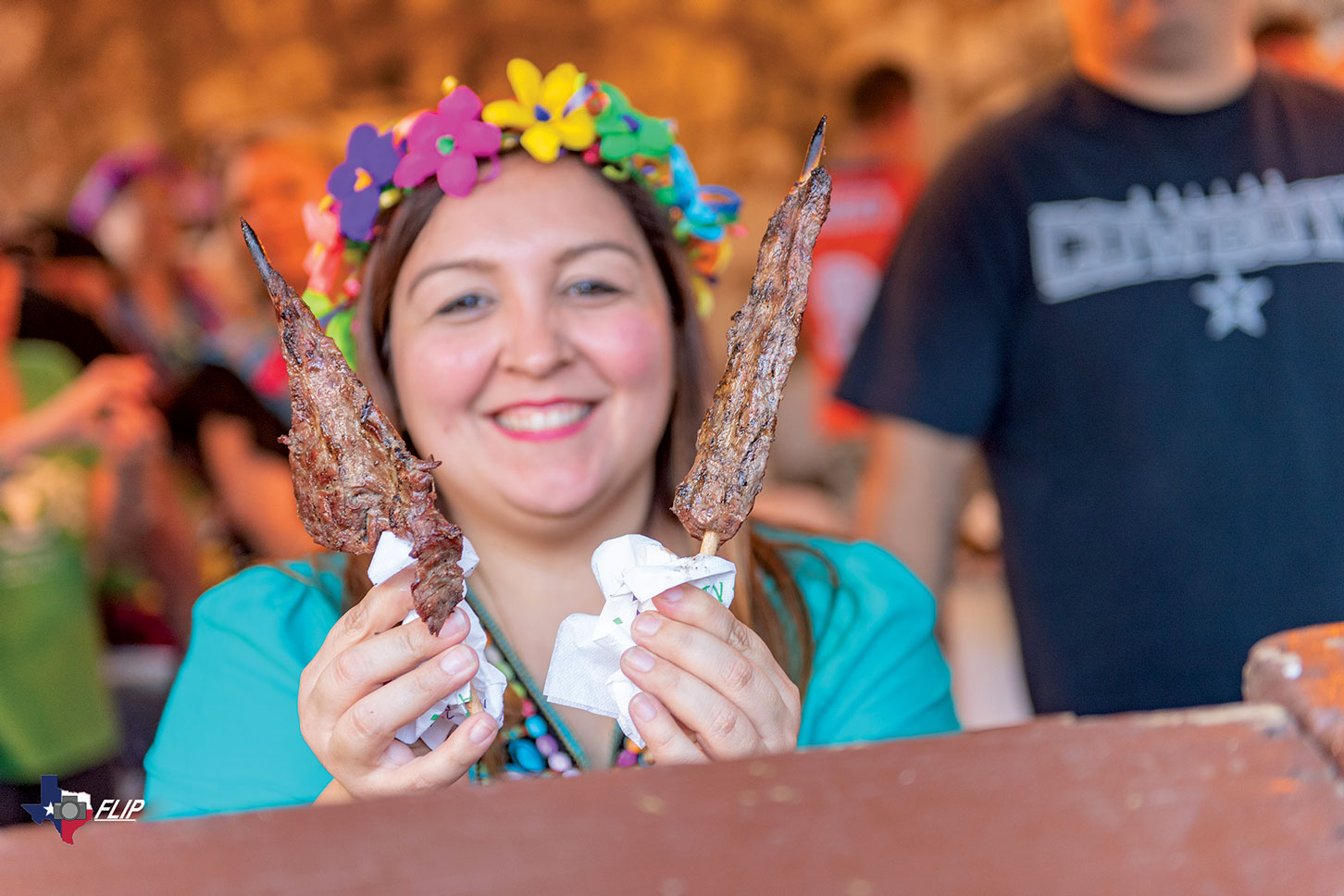
Food is key to NIOSA celebrations and revenue generation. On average, NIOSA revelers annually consume over 17,000 lbs. of beef; 11,000 lbs. of chicken; 5,000 lbs. of sausage; 3,000 turkey legs; 25,000 buns, rolls and bolillos; 30,000 tortillas; 2,000 lbs. of masa; 6,000 tamales; 15,000 lbs. of fruits and vegetables; and 1,000 lbs. of guacamole.
Remarkably, all booths are run by Conservation Society volunteers, many of whom are the second or third generation of a family. NIOSA would simply not exist without the hard work of thousands of dedicated volunteers.
All of NIOSA advance planning, staging and booths are run by an army of 10,000 volunteers — with many arriving every year from all over the country to volunteer — from the NIOSA chairman and Vice Chairs and Treasurer to the booth chairmen and booth workers. No restaurants produce or sell food at NIOSA.
“I’m often asked why I’m dedicating a year of my life to chairing NIOSA as a volunteer, which is way beyond a full-time position,” said Pierce. “The short answer: like most of the longtime NIOSA volunteers, I love The Conservation Society of San Antonio and how it makes our city truly unique. However, what really gets under my skin — in a good way — is the reunion every year of all the NIOSA volunteers; we are one huge family! It’s like we never have been away from each other, so we pick up where we left off the previous year.”
NIOSA and the Society also produce and host NIOSITAs (private mini-NIOSAs) in La Villita’s historic plazas for conventions, meetings and any group that loves a fiesta to raise additional funds. The Conservation Society was the first organization in San Antonio to produce these outdoor festivals for private groups, establishing NIOSA as the premiere caterer of fiestas.
“My main goals for 2024 NIOSA are to make it so incredible for both our guests and our volunteers that they stay all night, every night, and choose NIOSA over the plethora of other Fiesta activities,” said Pierce. “Just as important is to elevate how NIOSA supports The Conservation Society and every person who lives in San Antonio. The whole city benefits from NIOSA, even if they don’t attend. NIOSA invests well over $1 million in our community by using local suppliers and paper goods, and usually pays nearly $1 million annually to lease La Villita from the City of San Antonio; pay for SAPD security; obtain health, fire and electrical permits, and to donate to the La Villita restorations fund.”
The organization is in the process of moving from its headquarters of 50 years to a new location also in the King William Historic District. “The current headquarters is under contract, and Steve’s Homestead, which was owned by the Society for 70 years, was sold two years ago,” said Krnavek.
The 76th presentation of NIOSA will be held April 23 – 26, 2024. Advance discount entrance tickets for $20 are available now through April 26 on the NIOSA website. “But the best way to get discount tickets in advance is to join The Conservation Society of San Antonio,” said Pierce. “Discounted member tickets are $15 per person, and you have the added benefit and satisfaction of supporting San Antonio’s historic preservation and protection of its natural resources.”