French

Tourist Favorites

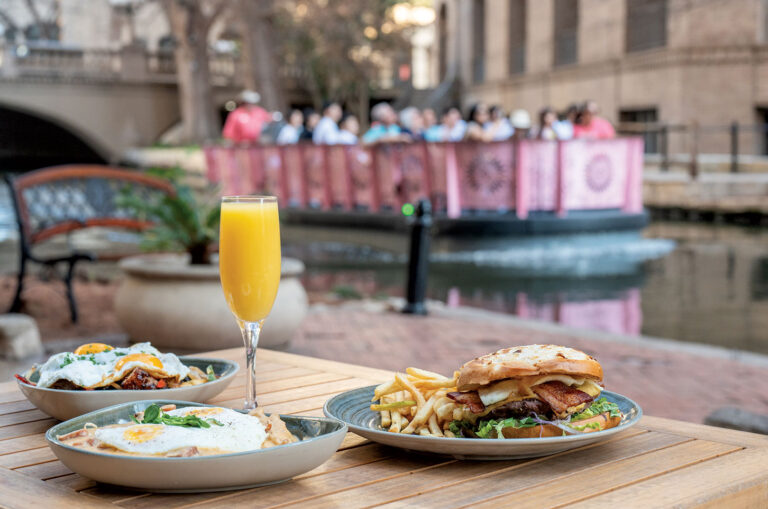
It’s easy to forget, living here, why San Antonio is consistently ranked among the top travel cities in America. It attracts nearly 39 million visitors annually, making it one of the most visited destinations in Texas and even the country. For locals, however, the San Antonio River Walk often fades into background noise — something we drive by on the way to somewhere else. But, for a moment, step back and try to look at it with fresh eyes, through the eyes of a first-time traveler, and something clicks. You might remember how you felt the first time you visited the River Walk. You might recall why the rest of the world thinks we have something special here. It’s beautiful. It’s layered. It’s alive and full of history, culture and new momentum, in a way most cities spend decades trying to manufacture.
Read More

The Brackenridge Park Conservancy Art Walk

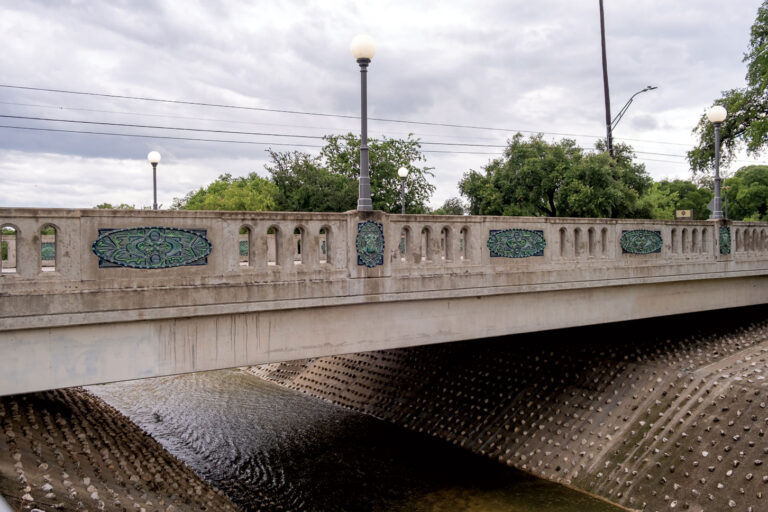
Brackenridge Park has long been one of San Antonio’s most beloved public spaces — and one of the most culturally and archaeologically significant landscapes in the United States, weaving together Indigenous heritage, Spanish colonial engineering, industrial development, philanthropy and major public works projects.

Read More

Remember The Alamo

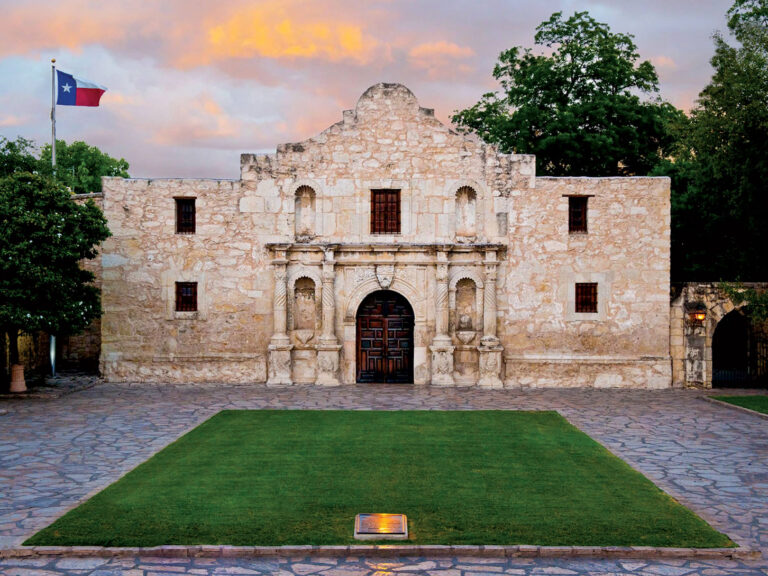
Today, most people think of the Alamo as a single structure: the limestone church rising from Alamo Plaza, solemn and self-contained. But that familiar image is the product of survival, accident and later choices — not historical reality.

Read More

Head West

Each spring, the American West comes vividly to life in downtown San Antonio, and this year, the moment carries special significance. The Night of Artists at the Briscoe Western Art Museum marks its 25th anniversary — an important milestone for one of the premier Western art exhibitions and sales in the world, and a must-see experience for locals and visitors alike.

Read More

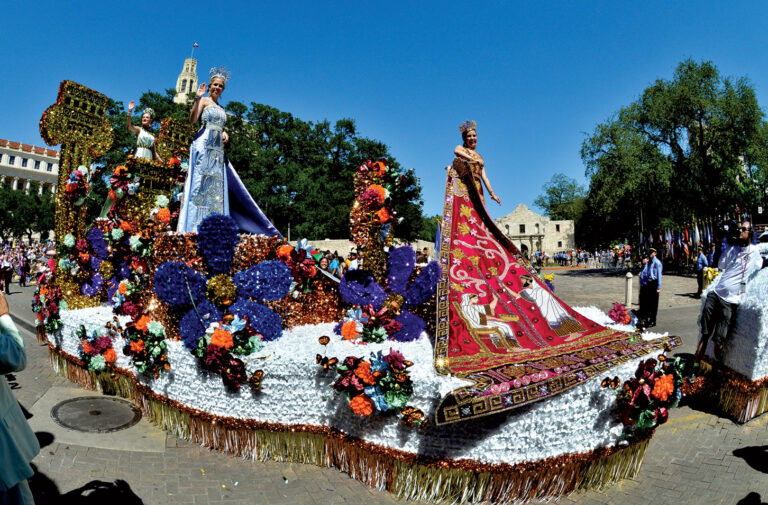
Petals, Pageantry and the Heart of Fiesta

“Show us your shoes!”
The chant rises from the gleeful crowd as flower-covered floats approach the Alamo. Confetti drifts across downtown streets. Bands strike up familiar marches. Women in sweeping gowns lift their skirts to reveal sneakers, glittering heels, decorated boots, flip-flops and fuzzy house shoes. The moment is playful, joyful and unmistakably San Antonio.

Read More

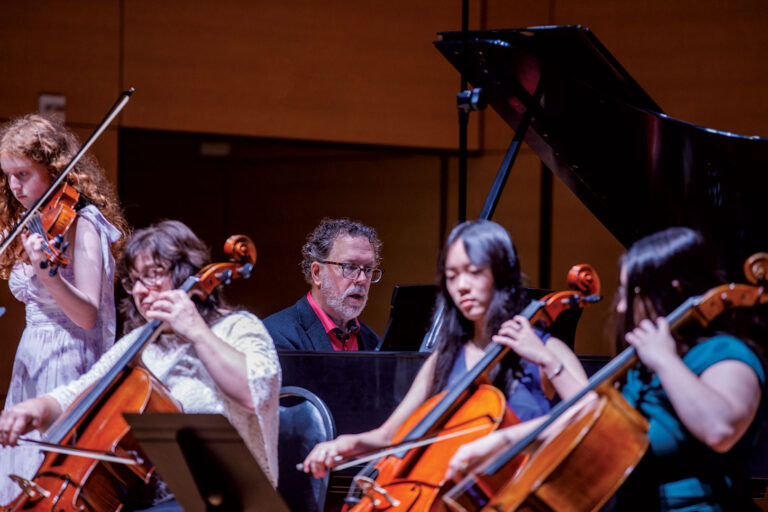
A City in Harmony

San Antonio’s cultural roots run deep, but in recent years, something unexpected has been happening in its performing arts ecosystem. Beyond large-scale productions and the familiar rhythms of mariachi and Tejano, a quieter revolution, built on intimacy, virtuosity and the power of small ensembles, has been slowly unfolding. Chamber music, once considered a niche corner of the classical world, is experiencing a full-fledged renaissance in the Alamo City.

Read More

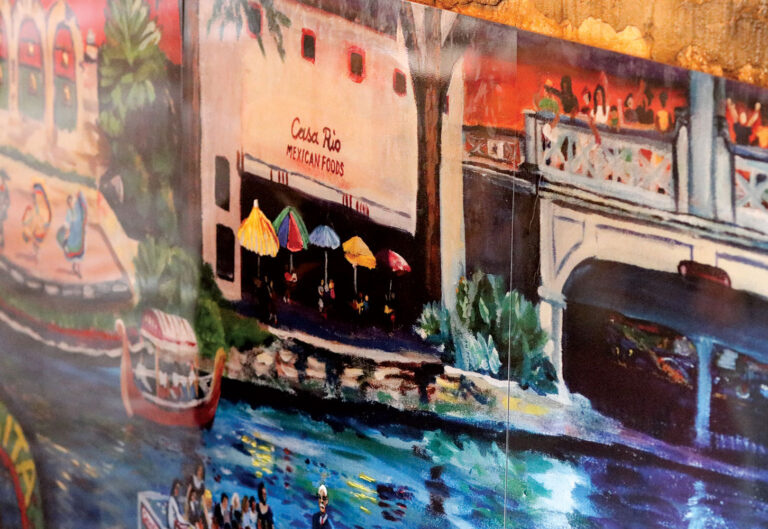
Where Color, Culture and Creativity Collide

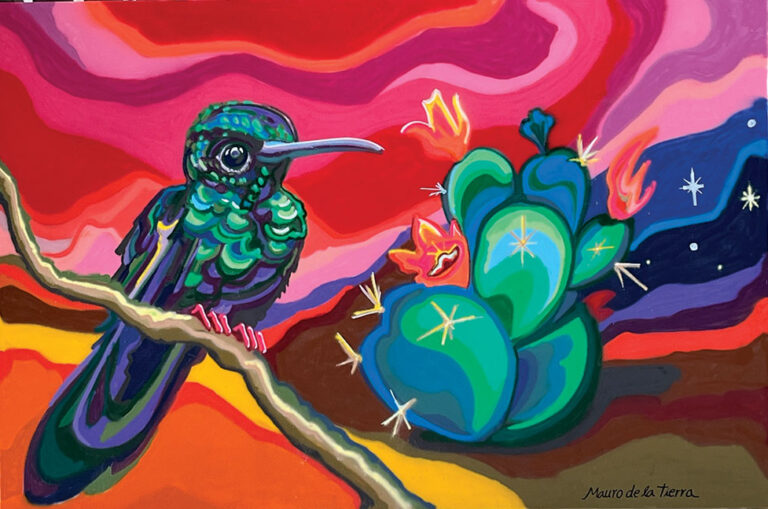
San Antonio has always been a city that celebrates itself with color, rhythm and a kind of joyful defiance. Fiesta rolls in every spring like a technicolor tornado, and the city becomes a living canvas — part parade, part performance, part communal heartbeat — all while scattering confetti in places you’ll still be finding in October. But beneath the confetti and cascarones lies a deeper story about how art and culture thrive here year-round — shaped by neighborhoods, nurtured by tradition and constantly reinvented by the people who call this place home.

Read More

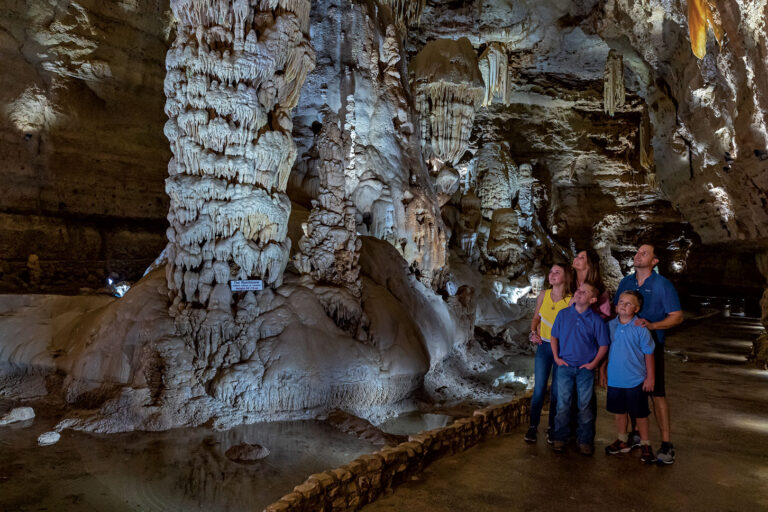
A Wild, Wonder-filled Escape

Spring Break in and around San Antonio practically writes its own adventure story, and kids get to be the heroes. From descending into the otherworldly depths of Natural Bridge Caverns to paddling through downtown on a kayaking trip, every day brings a new discovery. Young explorers can follow real dinosaur tracks at Government Canyon, meet creatures from around the globe at the San Antonio Zoo, and wander the peaceful Yanaguana Trail at Mission San Juan, where history and nature blend beautifully. It’s the kind of Spring Break that leaves kids curious and begging for “just one more trail.”

Read More

The Neighborhood Effect

San Antonio’s rise as a cultural hub didn’t come solely from major institutions or multi-million-dollar venues. Much of the city’s artistic identity was forged at the neighborhood level — in converted warehouses, community theatres, repurposed breweries and grassroots festivals that grew into cultural landmarks.

Read More